What to Know: This week in America, lawmakers are debating a voting bill that could make registering to vote feel a little more like applying for a passport at the DMV. Meanwhile, the Iran conflict is escalating, sending gas prices climbing and reminding everyone that global politics has a very real way of showing up at your local pump. Back in Georgia, officials are scrambling to pause the gas tax before wallets feel it any harder. The good news? At least one HBCU just got a $42 million reminder that investment in the future is still possible.
SAVE America Act Moves To Senate For Debate
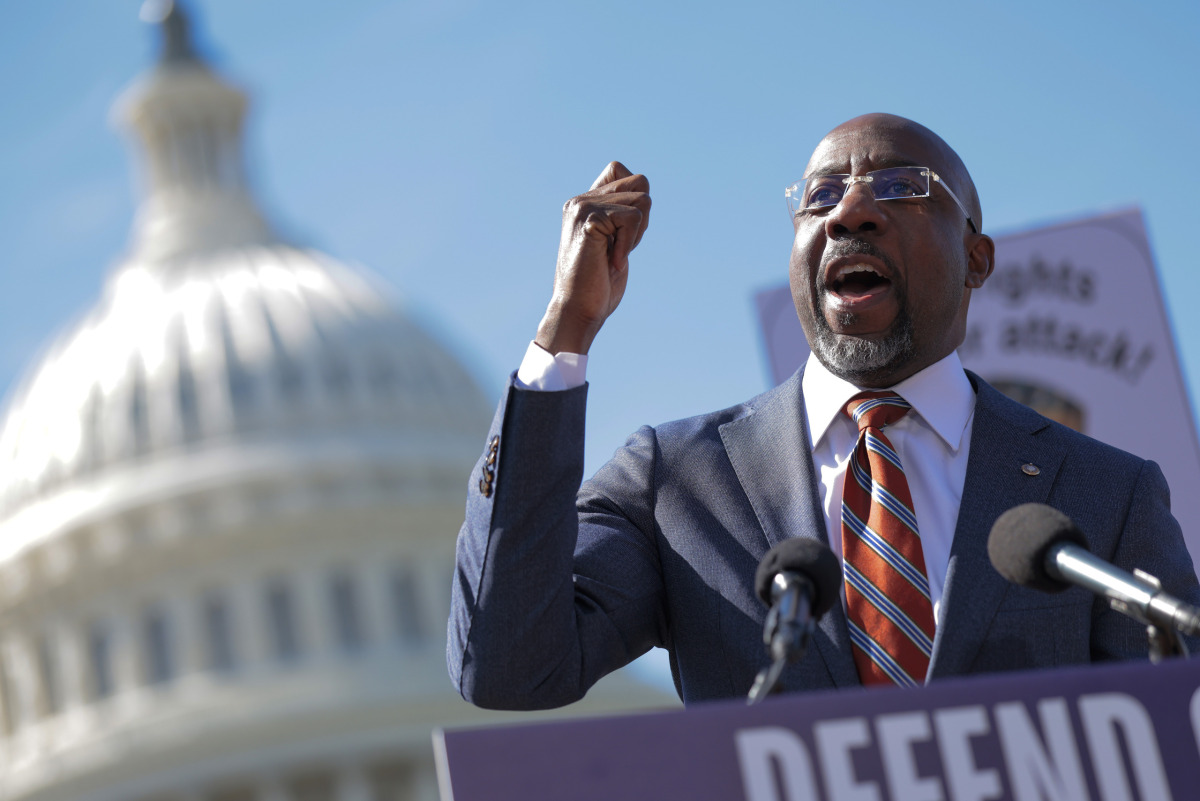
The U.S. Senate began debating the Safeguard American Voter Eligibility Act, or SAVE America Act, after Republicans voted to bring the Trump‑backed elections bill to the floor. The proposal passed in the House in February and would require documentary proof of U.S. citizenship to register to vote and impose a national photo ID requirement at the polls. Debate is expected to be prolonged, with multiple amendments and marathon floor sessions as Republicans attempt to build support and galvanize their base. The measure would effectively tighten voter registration rules nationwide.
The Bigger Picture: The bill remains highly controversial, as it would impose strict documentation requirements, such as passports or birth certificates, that millions of eligible Americans lack. Voting rights groups warn that the act could disproportionately disenfranchise Black voters and others who are less likely to have the required documents, framing the legislation as discriminatory rather than a genuine election‑security measure.
The Latest On The Iran War
The Iran war continues to escalate as attacks on energy infrastructure rattled global markets and raised fears of wider conflict. An Israeli strike on Iran’s South Pars natural gas field on March 18 severely damaged sections of the facility, halting portions of production and prompting Iran to retaliate with strikes on energy installations in neighboring countries. Iran’s actions sparked condemnation from the U.S. and its allies and helped push oil prices above $110 per barrel. President Trump denied U.S. involvement in planning the South Pars attack, saying on social media that the U.S. “knew nothing” about it and asserting that Qatar had no role. He warned that if Iran again attacked a Qatari liquefied natural gas facility, the U.S. would strike the entire gas field.
The Impact: The war has disrupted energy flows through the Persian Gulf, contributing to higher fuel costs in the United States, where the national average price of regular gasoline has risen by about 71 cents per gallon since the conflict began. The prolonged instability could further increase inflation and strain global supply chains tied to oil and gas.
Georgia Moves To Pause Gas Tax Amid Rising Fuel Prices
Lawmakers in Georgia are racing to suspend the state’s gas tax as fuel prices surge, sending a relief measure to the Senate days after overwhelming House approval. The proposal would pause the roughly 33-cent-per-gallon tax for up to 60 days, aiming to ease pressure on drivers as prices climb sharply amid global instability tied to the Iran War. If approved, the measure would go to Gov. Brian Kemp, who has previously used tax suspensions during periods of high prices.
Deep Dive: Georgia’s gas tax is a per-gallon excise tax that funds road maintenance and infrastructure projects. Keeping it in place during price spikes can increase costs for consumers and businesses, but suspending it may reduce transportation funding and strain long-term infrastructure planning. Lawmakers described the move as urgent relief for families and businesses facing higher transportation costs, and leaders expect the Senate to act within days.
NAACP Report Shows Black Americans Continue to Face Adverse Health Outcomes
A new report from the NAACP finds Black Americans continue to face stark and persistent health disparities compared with White Americans, with inequities across insurance coverage, chronic disease, maternal outcomes and hospital access. Critics say recent federal cuts to Medicaid and the Affordable Care Act have worsened access to care and could deepen these health inequities, especially for states with large Black populations.
By The Numbers: The NAACP’s report, released in March 2026, reveal several alarming finds on the state of Black health. Major findings from the report include:
- Black people are about 1.5 times more likely to be uninsured than White people
- Black women are nearly three times more likely to die from pregnancy-related causes than White women.
- Black people are 30% more likely to die from heart disease or experience high blood pressure.
- Black Americans are 2.5 times more likely to be hospitalized for diabetes complications and use emergency care at higher rates.
MacKenzie Scott’s Record Donation To Elizabeth City State University
Philanthropist MacKenzie Scott made a record‑setting $42 million donation to Elizabeth City State University, marking one of the largest gifts per student ever given to a historically Black college or university. The gift, announced during the school’s Founders Day Convocation, nearly triples the $15 million Scott gave the university in 2020, bringing her total support for ECSU to $57 million. University officials said the funds will fuel the school’s ASCEND 2030 strategic plan, expanding scholarships, strengthening academic programs and enhancing campus facilities.
Scott has emerged as one of the most prolific donors in the U.S., giving away billions to charitable causes in recent years. According to her philanthropy profile, she had donated more than $26 billion to nonprofit organizations by the end of 2025, with over $1 billion directed toward HBCUs since 2020 and additional major gifts to institutions.