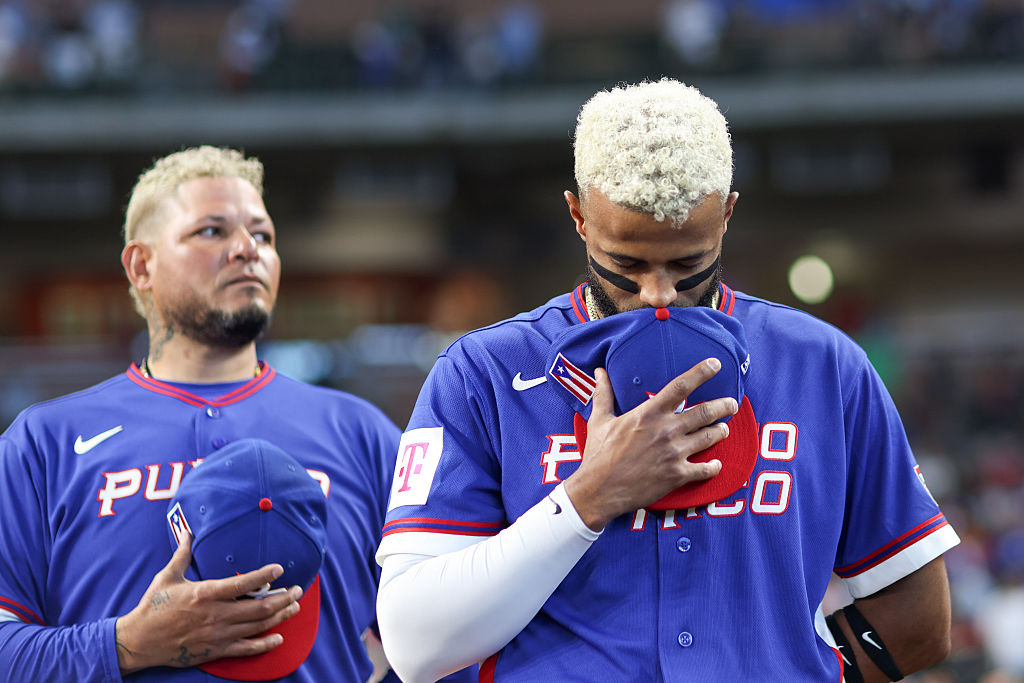
The rain had been teasing us all night.
Not enough to interrupt the World Baseball Classic (WBC) game hosted at San Juan’s Hiram Bithron Stadium, but just enough to make itself known. As the crowd settles into their seats, they treat the weather the same way they treat the tension of the game — as just part of the experience.
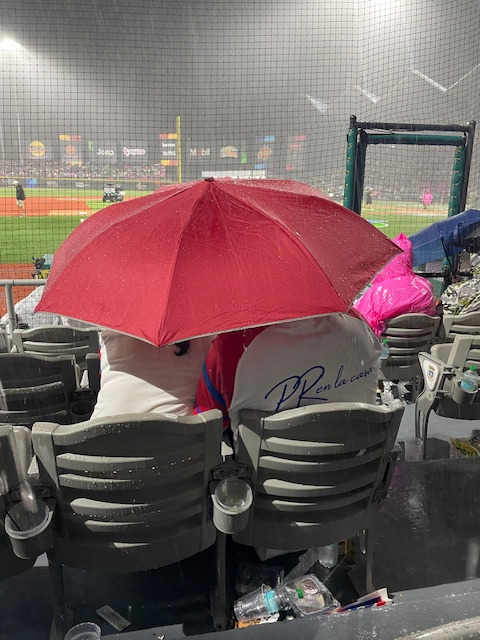
By the time we came to the seventh inning stretch, the sky stopped being polite. What started as a drizzle turned into a full downpour, causing many to run for cover. Still, the majority of the fans stayed in their seats. Soaked, smiling, singing loudly along to Rihanna’s “Umbrella” as it reverberated through the stadium speakers.
It was in this instant that Puerto Rico made sense to me. Not because rain delays are unique to San Juan, or because baseball crowds elsewhere don’t know how to have fun. But because there was something in the refusal to leave, in the singing, laughter, the decision to stay present when life gets messy.
This felt like a more honest entry into the spirit of the island than any brochure-friendly description ever could.
When it comes to the relationship status between the U.S. and Puerto Rico, “it’s complicated” feels like the most honest answer.
In the wake of Bad Bunny’s Super Bowl performance, and the familiar debate over what an “American” performer should sound like, I found myself thinking about how La Isla of Puerto Rico has long occupied a strange space in the American imagination.
Still, maybe holding on to that individual cultural identity is what makes Puerto Rico so distinct. And as a guest here, it can feel like an escape out of the country without ever leaving it.
In many ways, it’s a traveler’s dream destination, as it is one of the few places under the American flag that still feels like an international getaway without ever having to reach for your passport.
And then there’s baseball.
At the WBC, the game doesn’t feel like background noise or mandatory nostalgia. It feels urgent, loud and alive. Latin music spills through the speakers. Fans are on their feet before the first pitch. The stadium moves like a block party filled with gente who didn’t just come to watch a game and have the obligatory hotdog and beer. They’re here because the outcome of the game demands their presence.
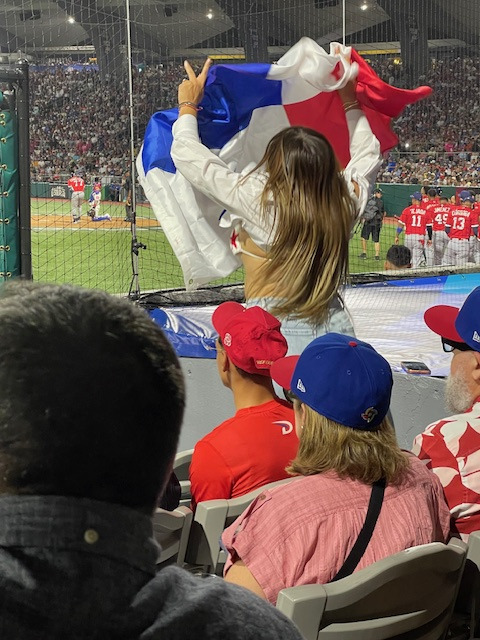
The tension of the Panama vs. Puerto Rico game unfolded slowly. The bats for the host country didn’t come alive until much later in the game. Yet, la muchedumbre refuses to sit.
Every pitch carries more weight than the last. A near-miss here, a hard-hit ball there, and moments drawing “ay bendito” from somewhere in the stands are quickly replaced by laughter, by hope, by belief in the next pitch.
It’s an understatement to say that Puerto Rico loves baseball. Not to say that the United States doesn’t. But the relationship between the island, the sport, and the country is harder to pin down, because baseball shows up differently in each place.
On the mainland, the game in recent years has started to feel like a memory. Like an ex you swore you’ve moved on from until something like “our song” reminds you why you loved them in the first place. However, in Puerto Rico, it feels like something else.
A kind of language spoken fluently, without translation, con tu jeva that you never left.
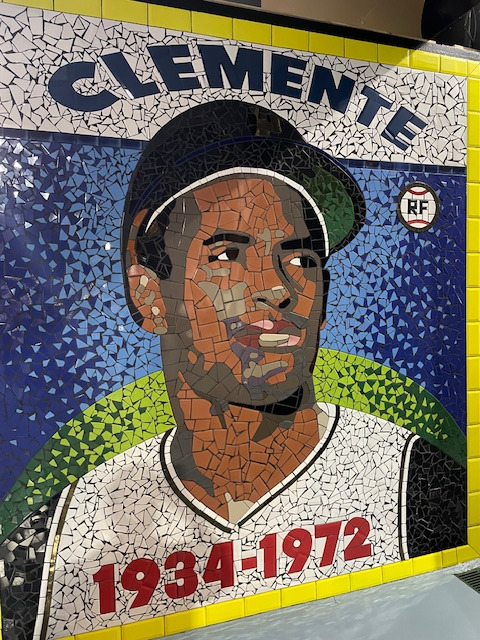
You can trace it through names that carry more than stats. Roberto Clemente, possibly the island’s most beloved son, and Hall of Famers like Edgar Martínez and Carlos Beltrán. More than 270 (some sources say 400) Puerto Rican players have made it to the Major Leagues.
Considering the size of the island and the global impact of baseball, that feels less like a coincidence and more like esta brutal. But you don’t need numbers to understand this obsession with baseball. It’s woven through every touchpoint of San Juan.
The city unfolds in color: historic facades, blue cobblestone streets, and romantic balconies leaning into narrow roads. The music travels here: around corners, through open doors, and turns into un rimto in your body.
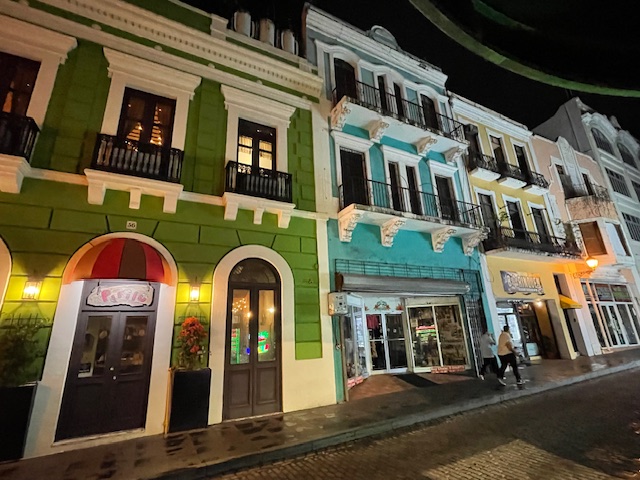
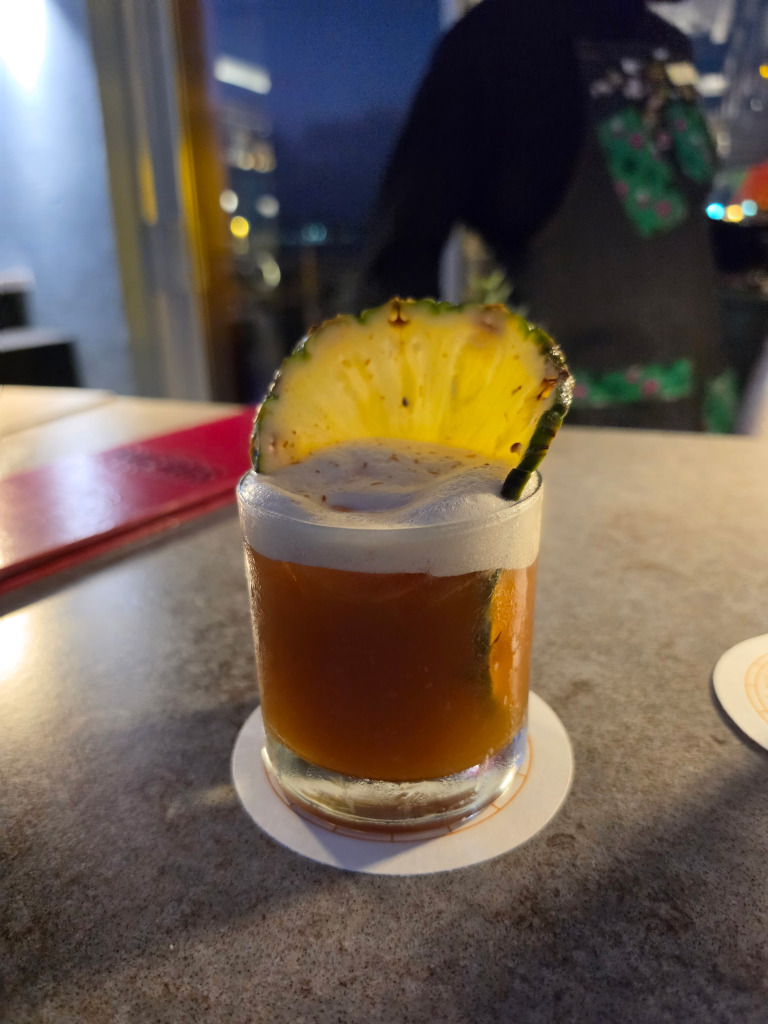
Especially after partaking in el sabor del trópico, courtesy of Hotel Rumbao.
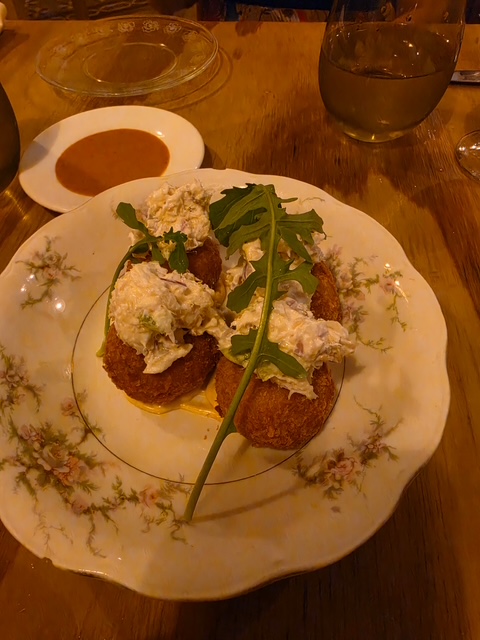
It shows up at the table, at restaurants like Cocina al Fondo, where Puerto Rican cuisine is reimagined without losing its roots. Chef Natalia Vallejo, winner of the 2023 James Beard Award for Best Chef, embraces the kind of cooking that reminds you of meals prepared by someone’s abuela, where the recipe and decor were less about precision and more about memory.
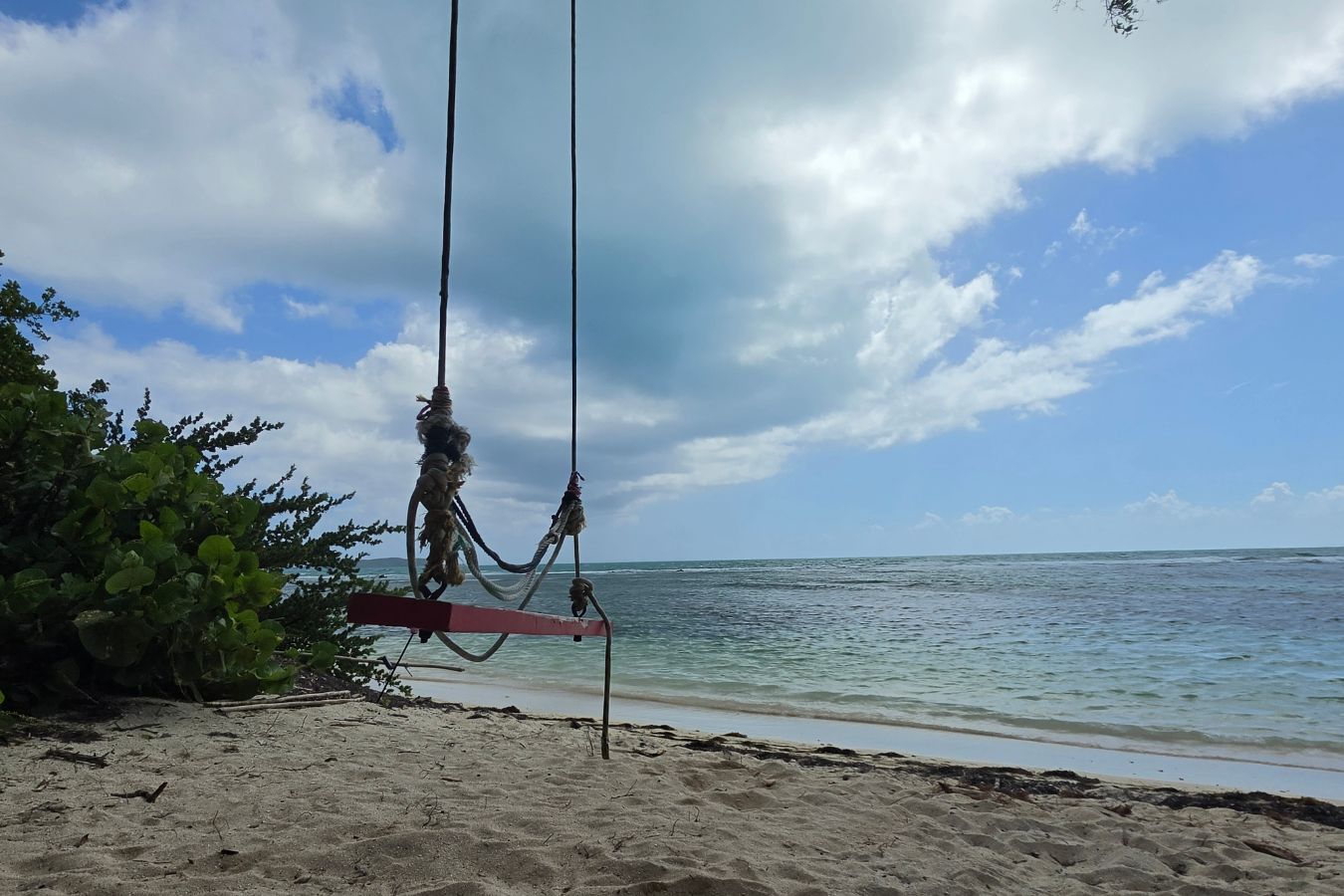
And then, just as quickly, the island offers something quieter. A stretch of white sand in Icacos. A secret hideaway where everything slows just enough for you to realize how much you’ve been moving.
Because Puerto Rico itself exists in that same in-between space. American, but not fully its own. Independent in spirit but still tethered in practice.
An island shaped by Spanish colonization, African ancestry, and Indigenous Taíno roots, and all of it is still present in its culture and its people. Still, there’s a quiet question that lives underneath it all: what Puerto Rico is, what its owed, and what it might become.
Statehood. Independence. Something in between.
It’s not always spoken, but it’s always there. And yet somehow, baseball brings us back to all of that.
The field, the players, the stage is a release — a declaration. A way for Puerto Rico to be seen on its own terms, even when the relationship to the country watching them is still unresolved. A kind of orgullo that doesn’t need translation.
Because for a few innings, under the lights in San Juan, baseball doesn’t feel like America’s pastime. It feels like it belongs to Puerto Rico.