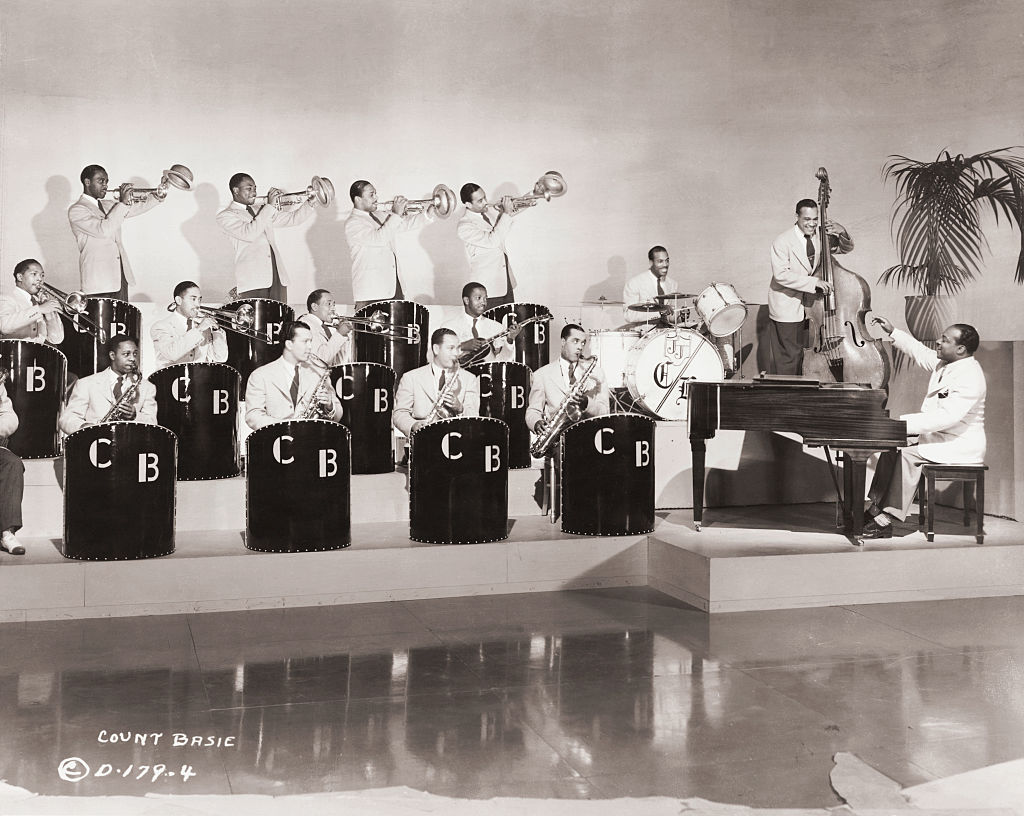
June marks Black Music Month, a time to celebrate the profound impact Black artists have had on the evolution of music worldwide. Among the many genres shaped by Black musicians, jazz stands out as a transformative force. Born in New Orleans, jazz grew from African rhythms, blues, ragtime and gospel traditions. It became a voice of freedom, creativity and resilience at a time that mirrored the struggles and triumphs for Black people.
Coming off of Atlanta Jazz Fest 2026, realizing that jazz is more than just a genre is extremely vital not only for Black Music Month but also for our history. It is a living, breathing art form that has evolved continuously. From the early days of Dixieland and swing, through the improvisational heights of bebop, to the avant-garde and fusion movements, jazz has remained at the cutting edge of musical innovation. Its influence can be heard in rock, hip-hop, R&B, and even electronic music, making it a cornerstone of modern sound.
As we celebrate Black Music Month, it’s essential to recognize jazz not just as entertainment, but as an ongoing cultural conversation. Jazz reflects the complexities of Black history, expressing joy, sorrow, protest, and hope. Its improvisational nature is a metaphor for survival and adaptation, offering lessons in creativity and collaboration. Through jazz, Black musicians have given the world a gift of articulation, innovation and soul.
Origins and Roots
Jazz was born in New Orleans, a melting pot of cultures, where African American musicians fused blues, ragtime, and spirituals with harmonies. This unique blend created a new, distinctly American sound that emphasized improvisation and personal expression. According to the Smithsonian, the earliest examples of the style, like those of the related blues, were never documented on sound recordings; but once jazz musicians did begin to record, the music expanded its audience rapidly and attracted practitioners and influences from all classes, cultures, and parts of the world.
Rise to Popularity and the Fight for Recognition
While it is known that the movement of jazz exploded during the Harlem Renaissance, Black artists were still fighting to be heard and treated fairly. According to the Organization of American Historians, the most impactful way jazz altered interwar society was through Black artists pushing back against the status quo of racial injustice. In these efforts, Billie Holiday was key to an increasingly vocal push for civil rights. Jazz influenced fashion, language, and social norms, breaking racial barriers and uniting audiences across backgrounds.
Innovation and Revolution
Bebop, modal, and free jazz pushed the genre into new artistic areas. Musicians like Charlie Parker, Miles Davis, and John Coltrane elevated jazz to a sophisticated art form, using complex harmonies and daring improvisation to express political commentary and self-expression during the Civil Rights Movement and to push for equality.
Reclaiming and Revitalization
As jazz became institutionalized and sometimes associated with elitism, Black musicians and communities have worked to reclaim its roots. Festivals, education programs, and grassroots movements celebrate jazz’s Black origins and ensure its continued evolution, making it accessible and relevant to new generations.
Team EBONY has curated a playlist for you to listen to as you dive into where the spirit of Jazz is today. From pioneers to revolutionaries, our Soundtrack of the Soul playlist takes you on a journey through Black music to reassure you that jazz elements are here to stay and will continue to evolve through time.