
As society grapples with shifts in cultural norms and sovereignty, the rise of traditional gender ideals is more pronounced than ever. The term “manosphere” is more than the acclaimed Netflix series; it is an online community where men teach others patriarchal beliefs that instill violence, misogyny, and the devaluation of women.
Red pill commentary has heightened in the Black community, especially toward public figures and users. After exposing her breakup after a cheating scandal, rapper Megan Thee Stallion was met with victim-blaming and a dehumanizing meme of her and her exes that surfaced on Threads and TikTok—showing how Black women’s pain is publicly mocked or objectified. However, these views were rooted in the community before any podcasts, online forums, or simple comments to demean women.
Though social media became a tool for uplifting the Black community, social commentator Deante Kyle said he was led by misogyny before any apps. “Locker room talk,” as he described it, became a pseudo-safe space for men. As he started his TikTok journey, his algorithm showed him clips of men devaluing “hypergamous” women—calling them golddiggers, interviewing intoxicated women, and highlighting “the male loneliness epidemic.”
Though the Grits and Eggs creator struggled with internalized patriarchy, he knew these ideals countered his views, as he values his daughter, the matriarchs in his family, and ongoing platonic relationships—a crucial element he noticed some lacked. Kyle’s discernment conceptualized the poor behaviors of men and himself. He “naturally matured” by engaging with highly educated Black women creators who relished advocating for community and dismantling Black femicide, a term Kyle wanted to elucidate.
“This is something that needs to be spoken on, especially for men,” he told EBONY. “If we are dealing with a patriarchal-minded person and a misogynist, then they ain’t listening to women. They’re gonna hear it if it comes from me, even if it angers ’em.”
As Kyle’s following grew, opposers considered his content pandering to women, which contradicts the colloquial “bro-code” mentality that he refers to as homoeroticism. Kyle believes critics use excuses to shame men for taking accountability. The activist calls for extending the same “protective nature” one has for their loved ones to the entire community of women, thereby exposing bad behavior.
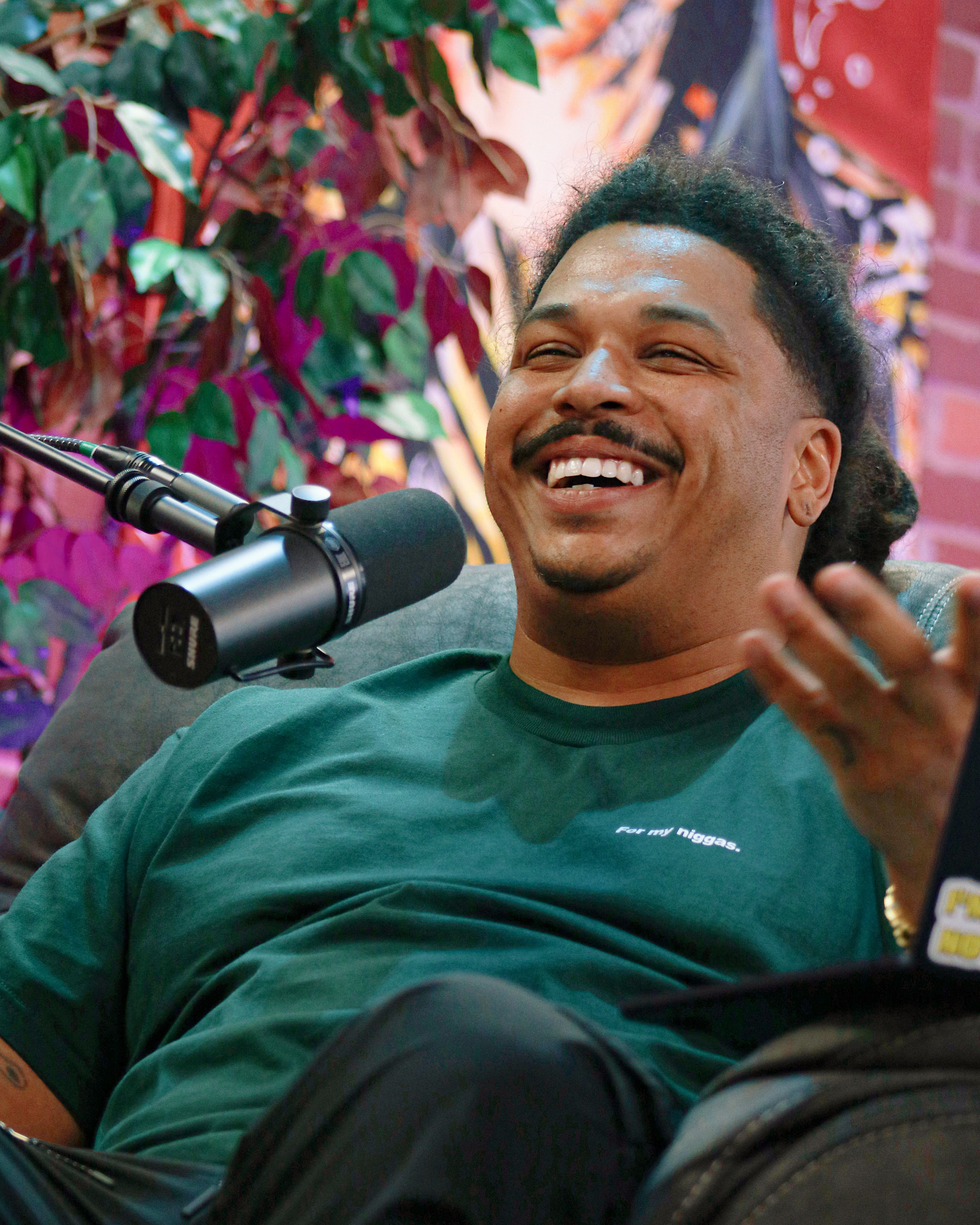
“Y’all pander to men, but y’all are also homophobic,” he said. “Patriarchy will have you thinking it was all men. All of these Black women…sacrifice themselves for the community all the time. It’s a thankless job because there’s always concern and criticism around how women are doing things.”
With right-wing conservatism at the forefront of conditioning, Kyle contested their performance, since anti-intellectualism pervades bigoted spaces. Though red pill content affects every generation, Kyle noticed the youngest Gen Zers “experienced life almost exclusively” in digital spaces; however, he stands for young men to center agency and education. Also, he would appreciate a haven for Black men to articulate their emotions without fear of ridicule. He reveals he was shamed for crying, but that toxic cycle ended with his son.
“The talks about emotion and expression just need to be more common, and once it becomes commonplace, then there ain’t room for rejection, regressive behaviors,” he expressed to EBONY. “It starts, grown men not pointing a finger, ‘Nobody cared about me when I was crying,’ even more reason for you to care about them when they are. Be the change you want to see— that’s real sh-t.”
UNC Chapel Hill professor, Dr. Sonyia Richardson’s expertise in social work centers on collaborating with the community to help with Black youth suicide prevention. Richardson was unaware of the red pill ideology and was shocked by its polarizing views when her 22-year-old son schooled her on its premise. “He was like, ‘Everybody knows about the manosphere.” I was like, ‘Well, I don’t know about it.’ ‘Well, it’s your generation that is helping to inform how the younger generation shows up, how Black men show up,’” she told EBONY.
As a Gen X woman, Richardson believes that her generation of Black men became candid in their newfound liberation by turning parasocial and hierarchical, which stems from internalized racism and self-hatred that Richardson says Black women are not confining them to.
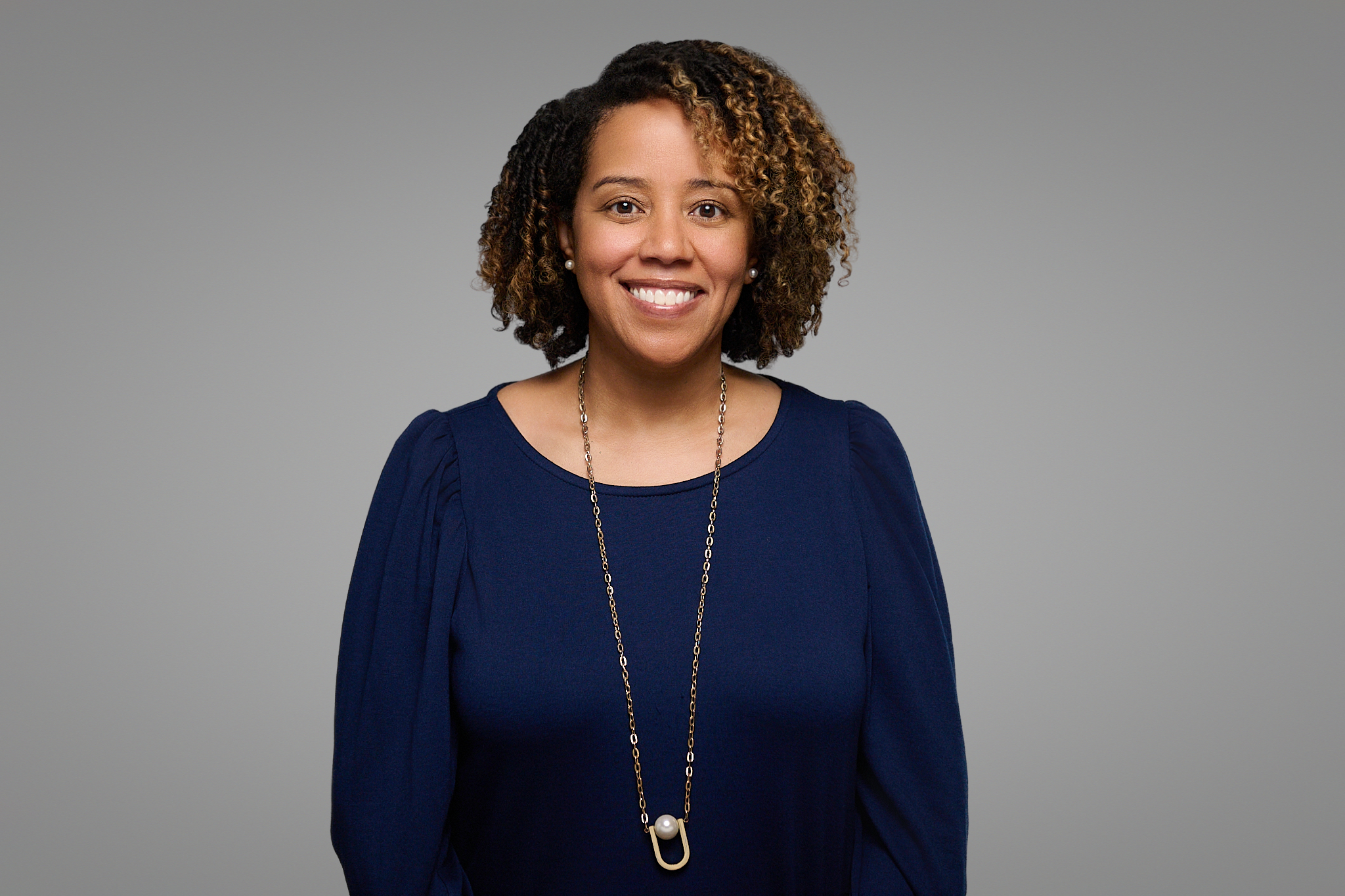
As the digital community progresses, so does our transience of emotions as we scroll through our feeds. Richardson recommends vetting resource-rich content to prevent self-harm or harming others. She advises parents not to limit exposure but challenge their thinking and assess the experts they attend to, as misinformation has become the norm. She encourages more youth-led efforts to address red pill content infiltrating our spaces since they use language that makes sense for them. For Black men to reach divine healing, Richardson suggests radical healing—a concept that balances the oppressive structures that are against Blackness while holding space for one’s ambitions.
“I hear Black men [say] ‘I didn’t think I was gonna make it to 30, and now I’m 30, I’m trying to figure out what I’m gonna do with my life.’ That hope element is sometimes lost for them. We have to restore that thought process that it is possible to live a full, long life as a Black man,” she said.
Unlike Richardson, the self-proclaimed “Fairy Godbrother,” Anwar White is no stranger to the manosphere. During a previous conversation, White predicted these indoctrinated, macho agendas pushed to Black men. Now, White confesses that the quasi-recession, AI taking jobs, and geopolitical issues contribute to the pain of Black men who turn to the manosphere. Since Black women are soaring when it comes to education and socioeconomic status, the safety net of “providing” within dating is a thin line close to being disposable. Despite this, women are susceptible to tactics that oppress them, and he encourages them to discuss politics and gender roles and norms to check if the partnership aligns.
“You don’t want someone who wants to take all of the decisions and not have consent, value your opinion, thoughts, feelings,” he said.
White believes this harmful conditioning teaches Black men that “softness gets exploited,” despite closeness being a primal need in a relationship. To White, being hypervigilant is a trauma response, not strength. He encourages therapeutic spaces and leaders who can counsel both genders to unpack the divergences surfacing online. White adds that the social realm has anti-men rhetoric, which he calls the “pink pill movement,” which is a divisive response to the dating climate. He believes that minimizing social media, online dating, and meeting people in person helps prevent the sensationalization of algorithms and fosters meaningful bonds.
“I think the people don’t win when it’s like this. The people who profit are the podcasters, the content creators, and the dating apps. We got to get outside. Do it in spaces that don’t cost anything, because life is expensive too,” White said.