In the last two years, Black America has absorbed blow after blow. DEI initiatives have been gutted at the federal level and abandoned by corporations scrambling to appease a hostile political climate. Civil rights protections are being relitigated. Voting rights are under siege. An estimated 300,000 Black women have lost jobs as the economic ground shifts deliberately beneath us.
Alongside all of it, quieter but just as damaging, the physical spaces where Black communities have historically gathered, healed, and organized — the barbershops, the church halls, the cultural centers — are disappearing. Priced out by gentrification. Starved by disinvestment. Closed, one by one, with little ceremony and enormous consequence.
Like so many others, Virginia Cumberbatch has felt all of it. An author and impact strategist who has spent her career disrupting unjust systems and telling untold stories, she watched the infrastructure around her work collapse in real time. The diversity and community engagement division of the university she had worked for and graduated from, as well as the successful grant program she co-founded specifically to support women of color, were both forced to shut down as the political tide turned against the very infrastructure that made that work possible.
“We are seeing such alienation because of the rights being taken from us,” Cumberbatch told EBONY. “Whether we’re talking about immigrant rights, civil rights, or voting rights — within all of that, there’s a fracture in how we’re able to show up in community and for community.”
The Tradition That Has Survived Everything
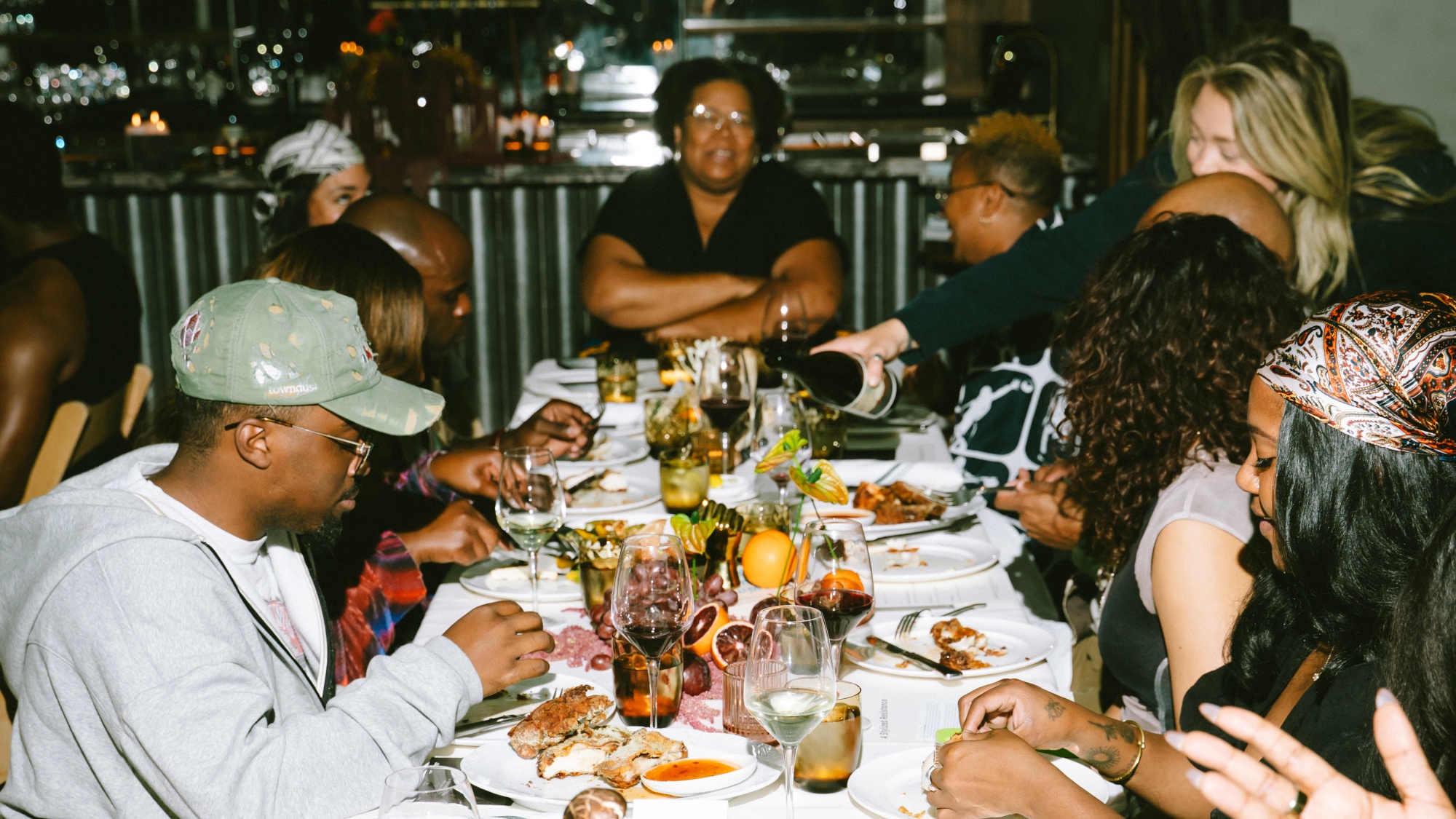
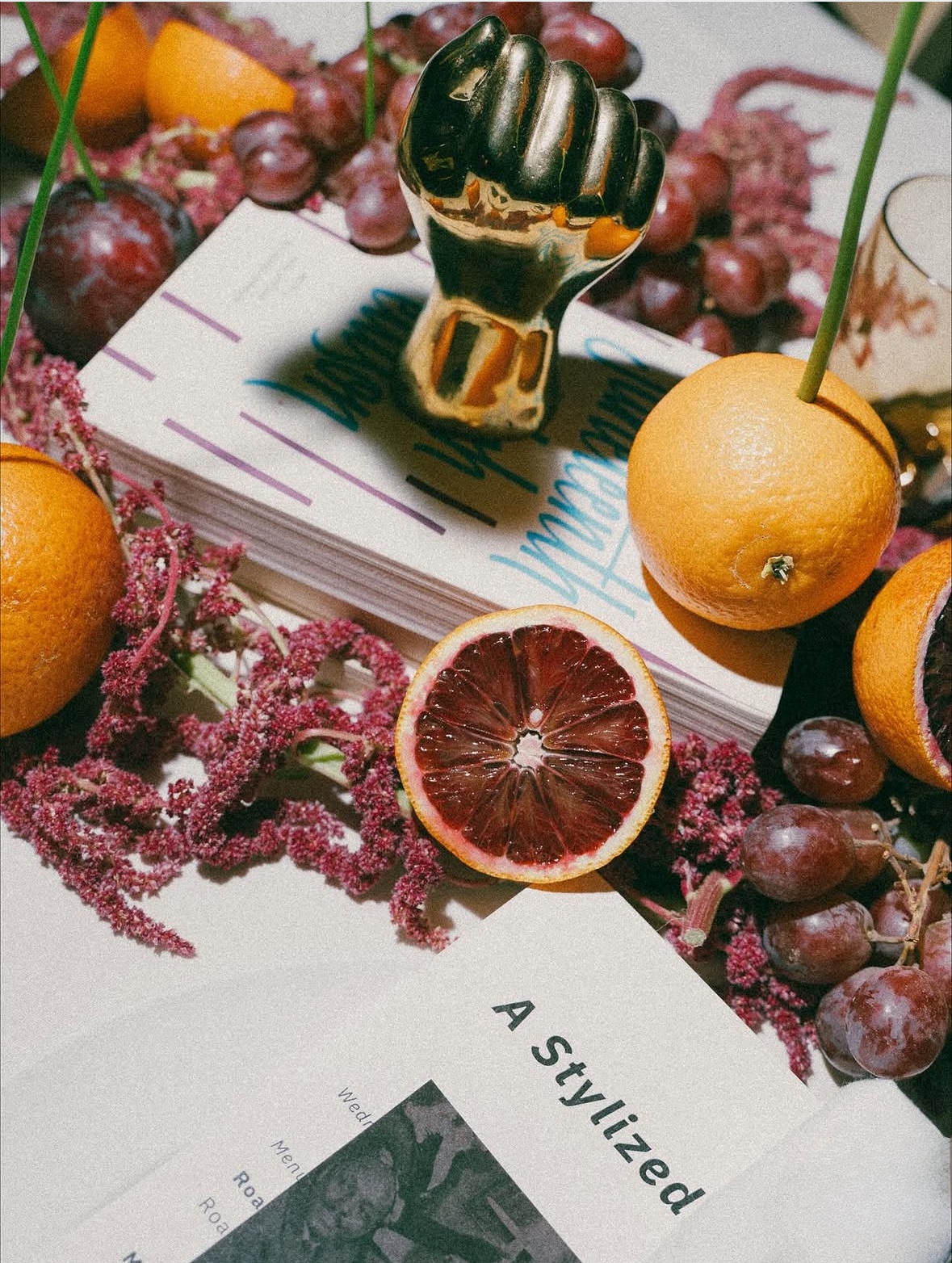
Instead of giving up and retreating into grief, she decided to build a table — literally — and start traveling with it. She created A Stylized Resistance — a salon series that draws on the tradition of the Harlem Renaissance salons and abolitionist gatherings, convening thought leaders, creative activists, business owners, and community disruptors over dinner to collectively reimagine what resistance looks like right now.
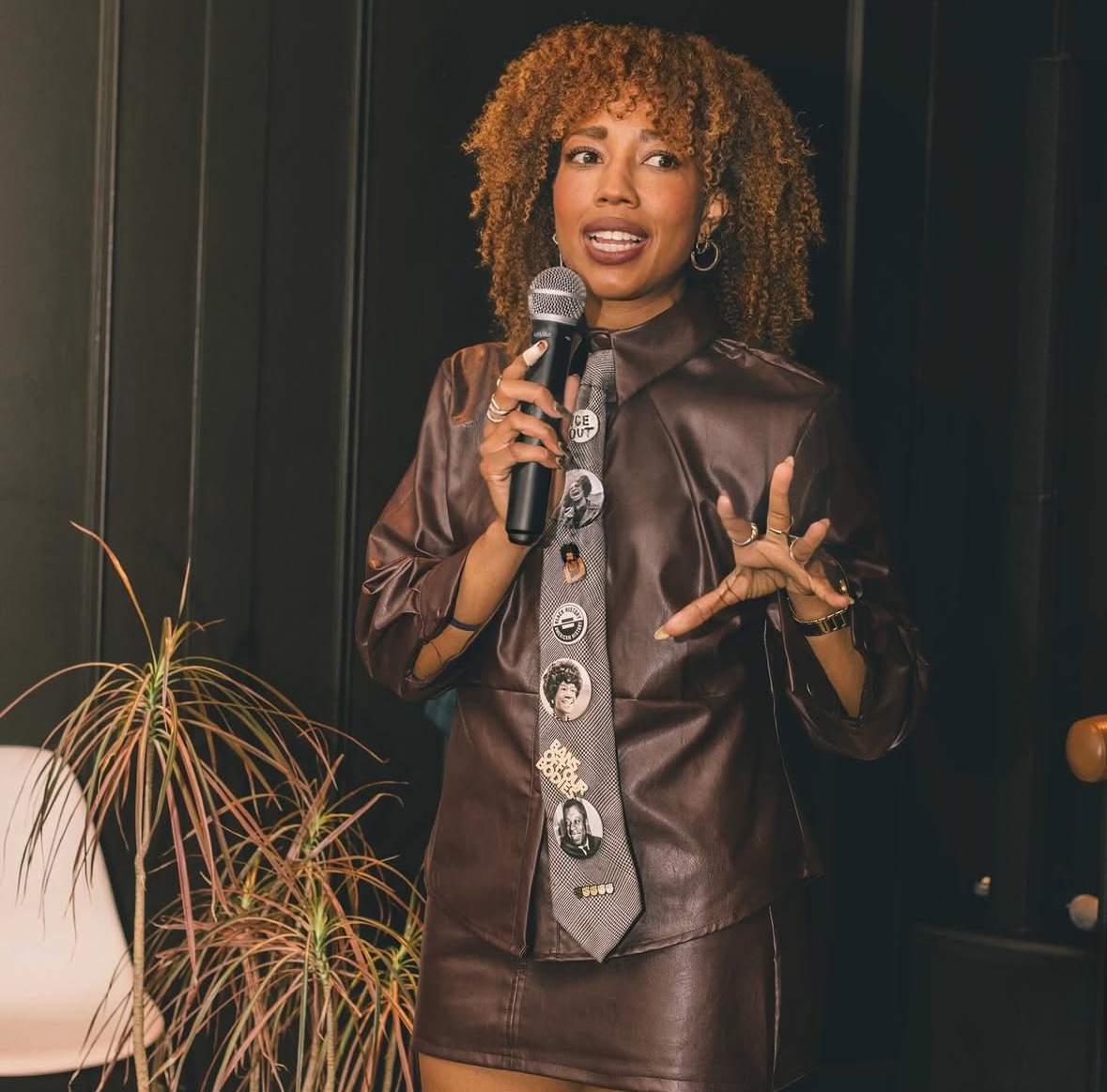
“The Harlem Renaissance didn’t just happen out of happenstance,” Cumberbatch said. “It was because we had abolitionists, artists, writers, scientific minds — all in the same room thinking about liberation together. When we put folks at the intersection of all these conversations, what comes from it is a plan. What comes from it is movement making.”
From salon dinners and underground clubs to churches and barbershops, third spaces are where we have organized, grieved, celebrated, and quietly plotted our futures outside the reach of institutions that were never designed with us in mind. They have advanced, preserved, and served as a lighthouse for black culture. So it’s no surprise that as we face yet another fight for our human rights in America, many are meeting the moment by taking a page from our ancestors’ playbook.
“Part of what it means to resist in this moment,” Cumberbatch said, “is the practice and art of gathering. There’s always this amalgamation of how we gather — even when the intention is serious, we bring joy, we bring collectiveness, we bring a spiritual grounding. That is part of our tribal nature. And that tradition has survived slavery, Jim Crow, and every effort to sever it.”
Building the Rooms We Need Now
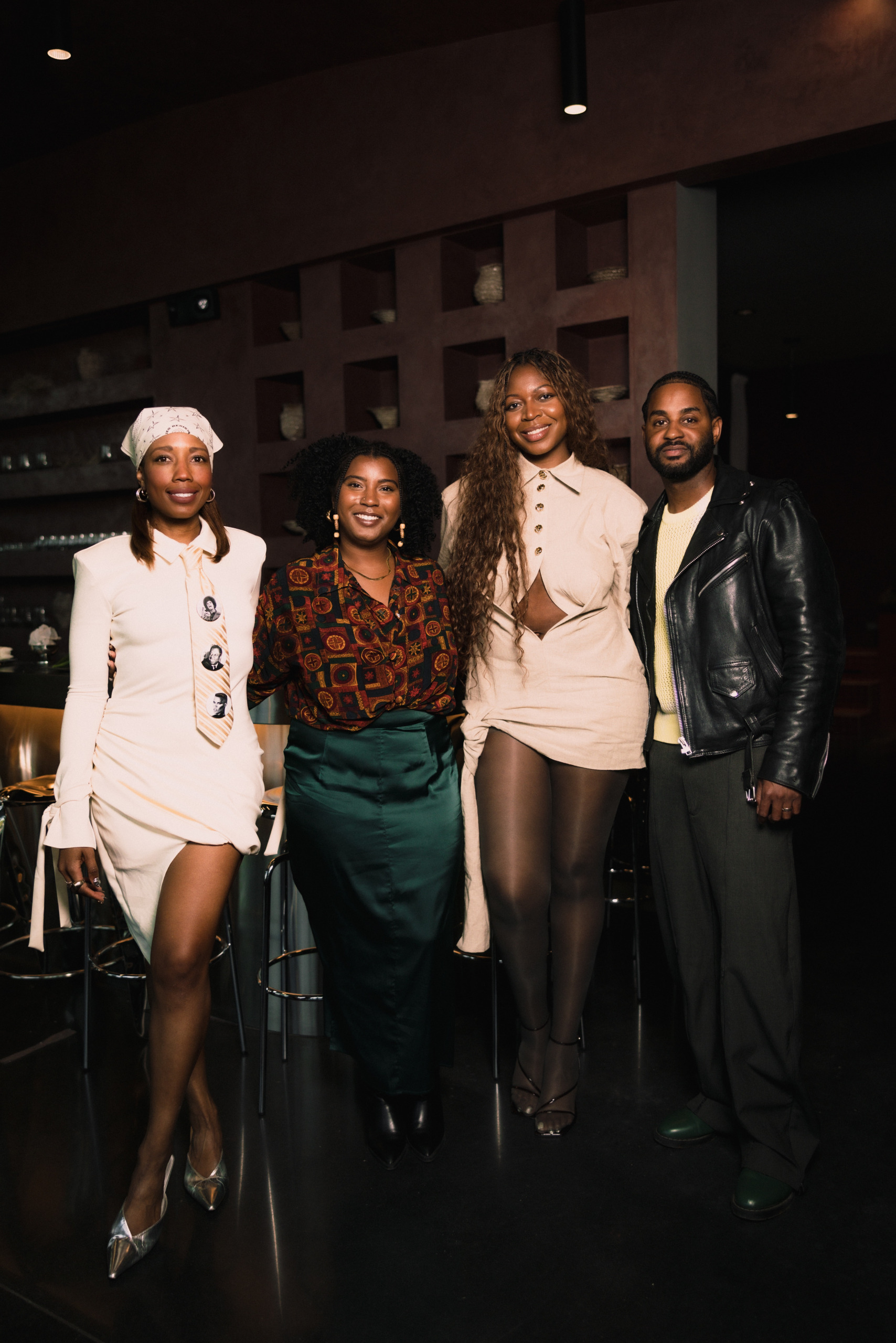
The Detroit stop on April 30 was held inside Cure Nailhouse — a space that is itself an act of resistance. Founder Cyndia Robinson never intended Cure to be a nail salon in the traditional sense. She grew up in Detroit in the ’90s, watching hair and nail salons function as genuine community hubs, places where you came for a service and left knowing about a new local author, a district political meeting, or a neighbor who needed help. As Detroit shifted — gutted by bankruptcy, investment fleeing the city, those connective spaces closing one by one — Robinson decided to build one back.
“Culture has not historically survived in isolation,” she says. “These spaces are where we come together to make sense of what’s happening around us, to protect each other, to pass down knowledge. It’s beyond survival. It’s social preservation.”
What that looks like in practice is not abstract. The day after the salon dinner, a woman walked into Cure without an appointment. She hadn’t come to get her nails done. She’d just received alarming news from her first mammogram and didn’t know where else to go. She told Robinson: this is my safe space. I just needed to sit here. Robinson gave her a manicure herself, at no cost, as they talked, laughed, and cried together.
“There are not a lot of places where you can just be held and received that way,” Robinson says. “Especially as Black women.”
For Thompson, who designed Cure’s physical space and co-hosted the salon, it starts with a single question: “What do we want this to feel like? The feeling, the emotional center — that’s the most important part of the design work. How can you be essentially a customer, but feel like you are part of a community?”
That question is the one A Stylized Resistance keeps asking, city by city. On the night of the Detroit dinner, Cure’s manicure stations became dining tables and the space transformed into something that felt less like an event and more like a homecoming. The conversations that filled the room — about beauty as political agency, about cultural erasure, about what Detroit’s particular history of survival demands of its people right now — were the kinds of conversations that don’t happen in comment sections. They require proximity. They require nuance. They require the baked-in respect of having to look someone in the face before you speak your truth.
Gathering as a Form of Resistance
For Black Americans navigating a moment of compounding loss — jobs, neighborhoods, legal protections, and the institutional memory of who we are and what we’ve built — the stakes of rebuilding these spaces could not be higher. “Particularly now, where we are seeing ourselves pushed out politically and pushed out of the archive of America,” Cumberbatch says, “it’s so important that we have third spaces to ground us, connect us, and anchor us — and give us both a language and an energy to keep moving forward.”
Detroit, a city that has survived bankruptcy, mass displacement, and cultural erasure while remaining one of the most creatively alive places in America, understands this in its bones. The Motor City, the home of Motown, has always known something about building new worlds from the rubble of old ones.
As the evening closed, attendees remarked on how refreshing it felt — a reminder that community holds the key to our survival. In a moment designed to make us feel isolated and powerless, choosing to gather is its own form of resistance. No algorithm can replicate what happens when Black people are in the same room, free to imagine together. And right now, those rooms may be the most important thing we build.