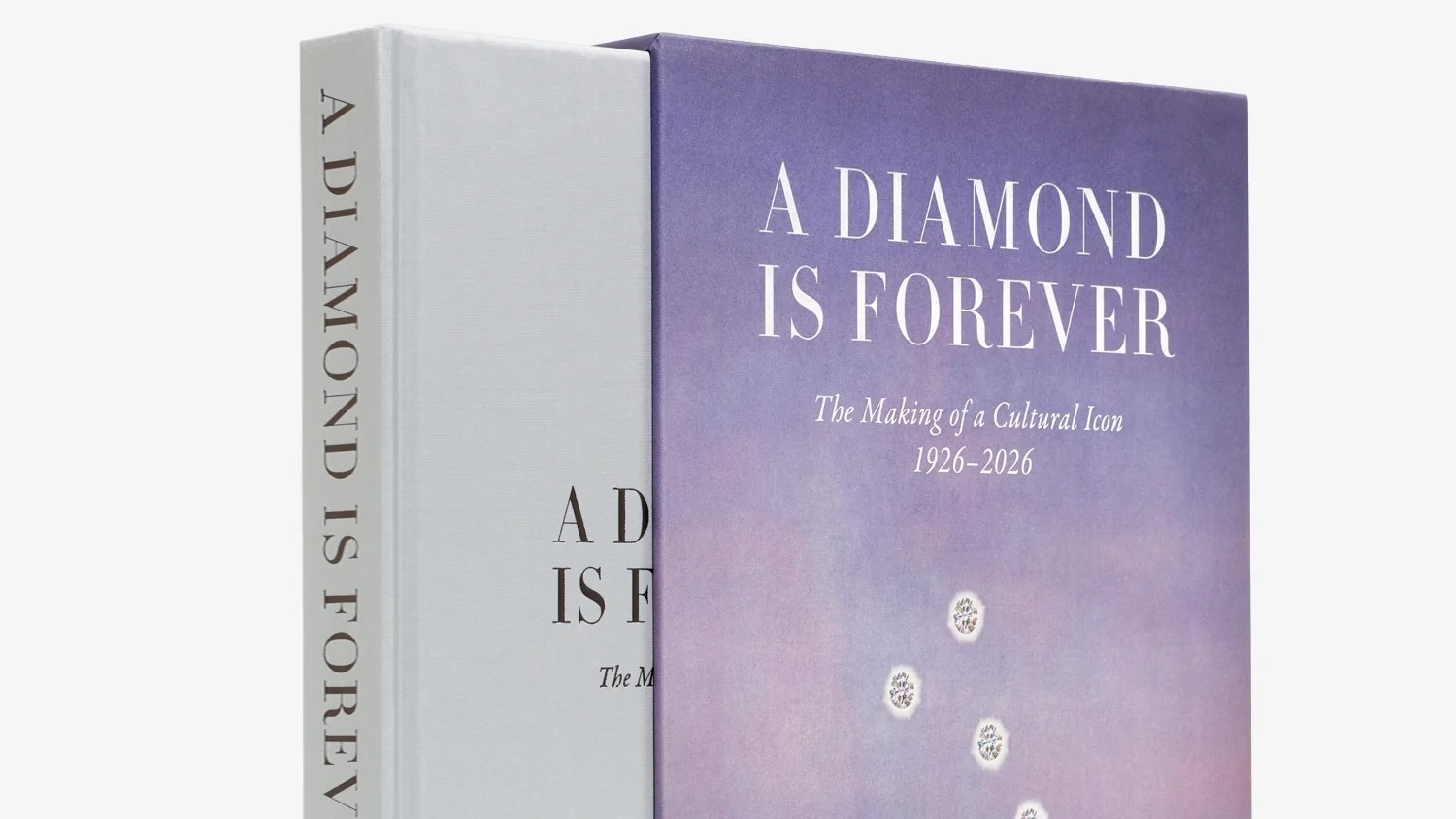
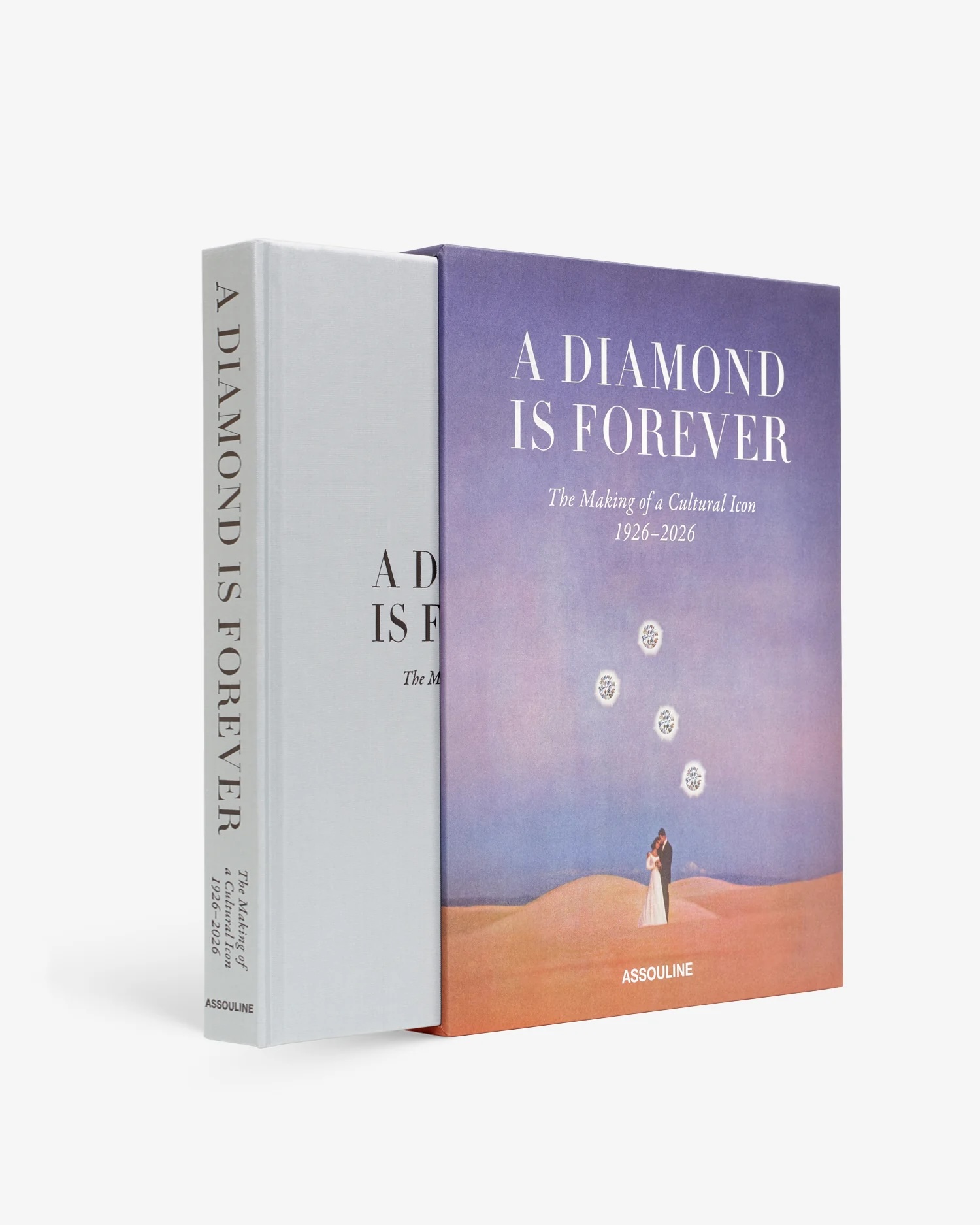
At Maison Assouline, the kind of place where books double as cultural artifacts, De Beers Group gathered a room full of tastemakers, historians, and industry insiders to mark the release of A Diamond Is Forever: The Making of a Cultural Icon 1926–2026. Commissioned by CEO Al Cook, the book traces how a single idea evolved into one of the most enduring symbols of love, legacy, and aspiration.
The phrase “A Diamond Is Forever” has always carried more weight than the stone itself. It lives somewhere between romance and ritual, shaping how we mark commitment, memory, and time. In a room like this, that idea felt less like a tagline and more like a shared language.
Tira Audrey’s (married 5 years) reflection brought the conversation from legacy into lived experience. “Diamonds are forever means that our love isn’t just about shine, it’s about strength. As a Black married couple, we’ve been shaped by history, resilience, and faith, and still we choose each other every day. Like diamonds formed under pressure, our bond is unbreakable, rare, and built to last for generations.”
And just like that, the slogan softened. It stretched. It became something bigger than a campaign and closer to a testimony. Love not as spectacle, but as survival. Not just something you show, but something you sustain.
That sentiment found another layer in Morgan Evans’(married almost 2 years) reflection, which felt like a quiet exhale in a room full of legacy. “A diamond lasting forever, to me, is really about what it represents beyond the sparkle. My eternity band and tennis bracelet feel like symbols of commitment, dedication, and a love that’s meant to stretch over time. It is an eternity band for a reason. They’re also a beautiful, tangible reminder of one of the best days of my life. And there’s something meaningful in knowing they’ll outlast us, becoming something to cherish and eventually pass down.”
Love here wasn’t just romantic. It was archival. Something you live in now and leave behind later.
The conversation didn’t end that night. It deepened the following day, when voices like Kimberly Drew and Melanie Grant led a panel that pushed the dialogue beyond celebration and into critique, context and culture. Drew, who approaches objects the way some people approach people, with curiosity and a little bit of side-eye, reframed the diamond entirely. Referencing everything from Ariana Grande buying rings for her friends post-breakup to the cultural peak of early 2000s “bling,” she pointed out that meaning is always in flux.
“There’s this everlasting idea around the ring,” she said, “but it doesn’t have to be utilized as this object of control or ownership.”
In other words, the diamond doesn’t define the relationship. The relationship defines the diamond.
And if you’ve ever watched your friends get engaged, redesign heirlooms, or buy something for themselves just because they can, you already know that shift is real. Drew made it plain. “Jewelry is inherited, jewelry is traded… these things tell us who we are and who we might be able to be.” That line lingered, because it wasn’t about luxury. It was about lineage.
She doubled down when the conversation turned to desire, not the glossy, ad-driven kind, but the quiet, deeply personal kind. “There’s something so personal about desiring something… how that is so much more profound than a price tag. It’s true wealth, it’s true value.”
That’s the part the industry is still catching up to. The idea that love, memory, and identity will always outprice the stone itself.
Grant widened the lens even further, grounding diamonds in something older than capitalism. “In jewelry, nature is the biggest inspiration,” she explained, tracing adornment from shells and bones to diamonds. “In a sense, we’re kind of being our oldest selves when we wear jewelry… the connection between jewelry and art is really as ancient as we are.”
Translation. This isn’t new. We’ve always been trying to mark love. We’ve just gotten more expensive about it.
Still, the celebration wasn’t only about philosophy. It was about spectacle too. Enter the Jwaneng 28.88, an internally flawless diamond pulled from the earth in Botswana’s Kalahari Desert, soon heading to auction with Sotheby’s in Hong Kong. A stone like that doesn’t just sparkle. It carries geography, labor, history. In 2026, that part of the story matters just as much as the carat weight.
And maybe that’s the real evolution here. Not that diamonds have changed, but that we have. We’re asking better questions. Who mined this? Who tells its story? Who gets to wear it, and why?
What De Beers has done with this book is bottle a century of answers and leave just enough room for new ones. Because forever, it turns out, isn’t fixed. It’s something we keep redefining.
And if the room at Maison Assouline proved anything, it’s this. Love will always be the headline. But now, finally, the story underneath it is being told with the depth, the honesty, and the tenderness it deserves.