Four things are happening in American culture this summer that, taken together, reveal something important about who we are right now.
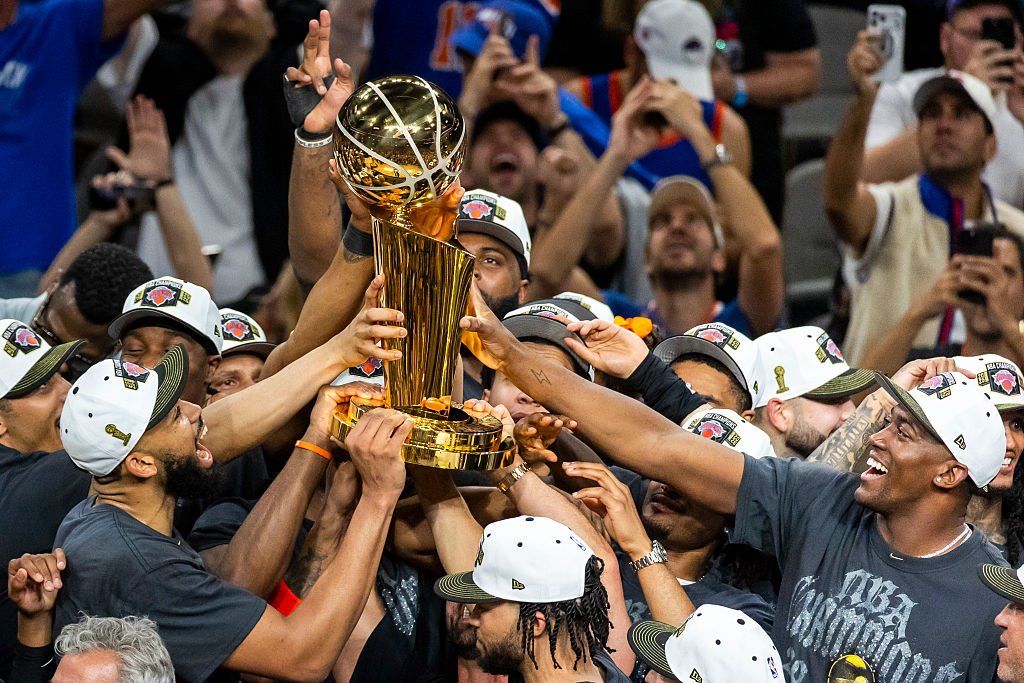
The New York Knicks won their first NBA Championship in 53 years. Toy Story 5 delivered the biggest opening weekend of 2026. The FIFA World Cup descended on American cities, transforming strangers into communities overnight. And Jay-Z sold out Yankee Stadium for three consecutive nights, structuring each show around a different chapter of a hip-hop culture that has soundtracked the last three decades of Black American life.
On the surface, these moments appear to have little in common. But with a closer look, a clearer story comes into focus. Each of these moments succeeds because it offers something people increasingly crave: the chance to reconnect with the stories that shaped them, the people around them, and a shared sense of identity.
The nostalgia defining this summer isn’t an escape from the present, but more of a search for belonging. And that search tells us exactly what people are asking culture to provide.
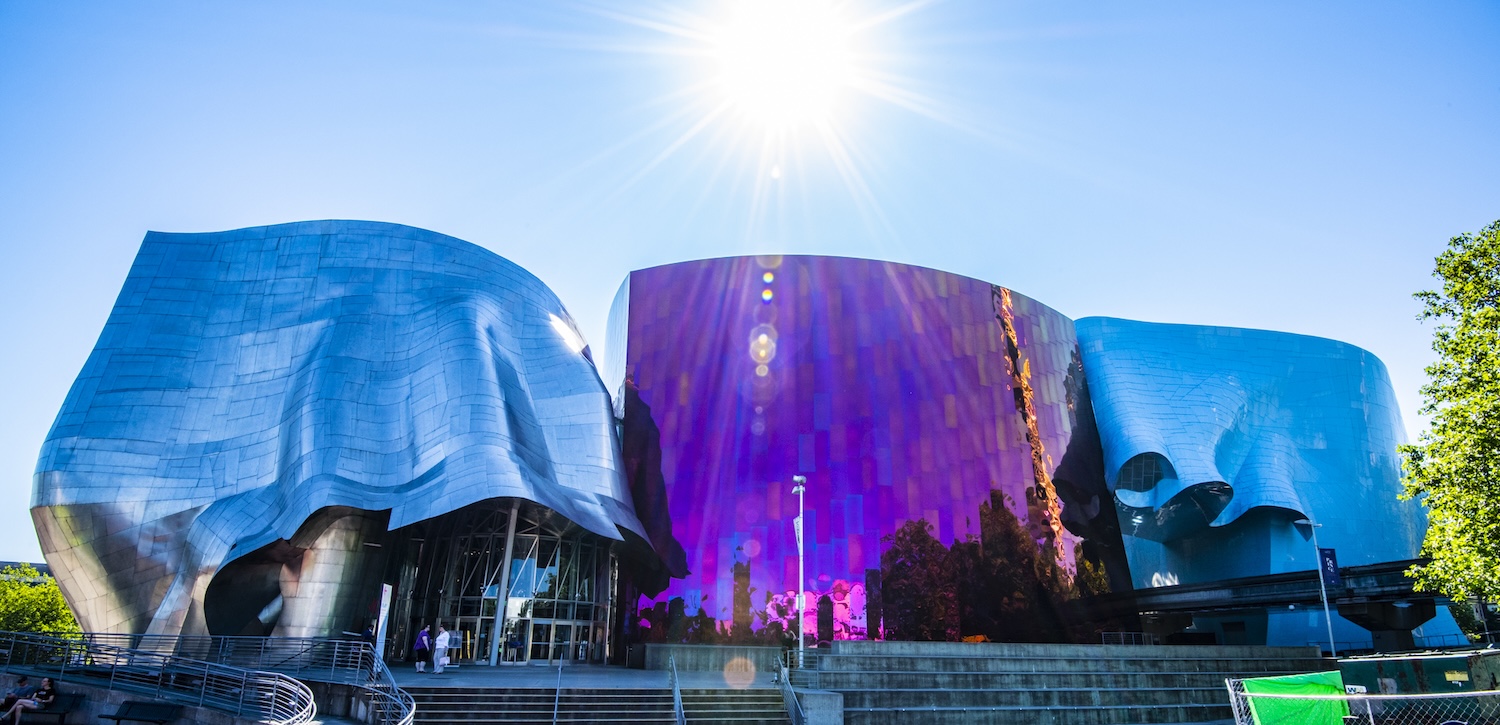
At the Museum of Pop Culture in Seattle, I spend a great deal of time thinking about why some stories endure while others fade. The answer almost always comes back to emotional continuity—the idea that culture becomes meaningful not simply because of what it is, but because of who you were when you first encountered it.
The summers we remember are the ones where sports, entertainment, and collective identity converge to create shared experiences that last after the season ends. The summer of 2026 has all those ingredients, and understanding why they are resonating tells us something important about the cultural moment we are in.
Consider Toy Story. The film debuted in 1995. The parents filling theaters this summer were children themselves when Woody and Buzz Lightyear first appeared on screen. More than watching a sequel, they’re participating in a ritual of transmission, introducing their children to the same characters that shaped their own childhoods. That’s not nostalgia in the passive sense of longing for the past, but rather, nostalgia as active inheritance—a way of carrying stories across generations. Its extraordinary success reflects the generation-defying desire to pass something meaningful forward
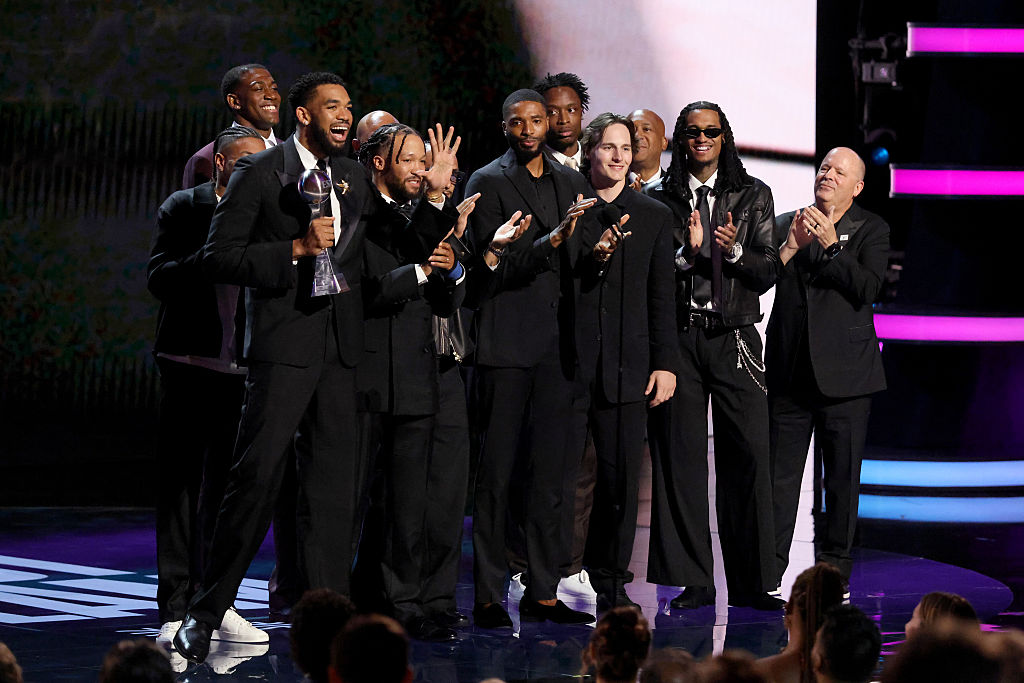
The Knicks’ championship operates on the same principle, but with a generational weight that is harder to manufacture. Karl-Anthony Towns described the win as a collective “healing experience” for both the players and the entire city that has spent decades believing in the greatness of a team they had never seen truly win. The parade drew Spike Lee, Ghostface Killah, the RZA, and an estimated two million New Yorkers into the same streets, collapsing decades of frustration and folklore into a single afternoon. While the emotion was hard to describe, its significance was clear: one generation’s memory had become part of the city’s history once again.
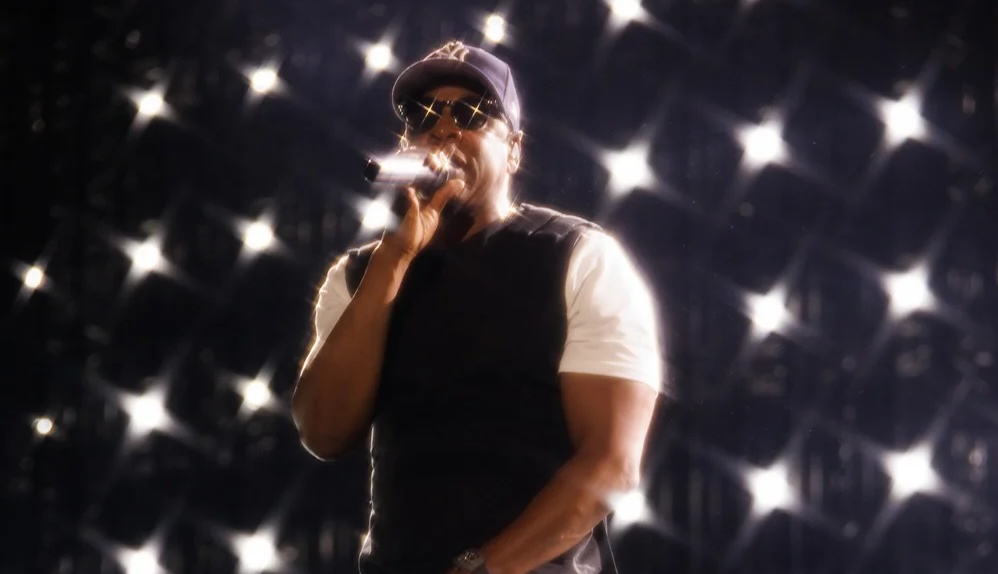
Jay-Z’s three-night run at Yankee Stadium did the same thing, just compressed into a single weekend. Friday marked 30 years since Reasonable Doubt. Saturday marked 25 years since The Blueprint. Sunday closed with what was simply billed as “Extra Innings.” That structure turned the weekend into a guided walk through his catalog and, by extension, through the adulthood of everyone who grew up on it. Beyoncé, Nas, Alicia Keys, Rihanna, and Memphis Bleek all made surprise appearances. Blue Ivy Carter played the piano intro into “Feelin’ It,” turning a career retrospective into something closer to a family archive being passed to the next generation in real time. The stadium was filled to the brim with people experiencing their own timeline through his.
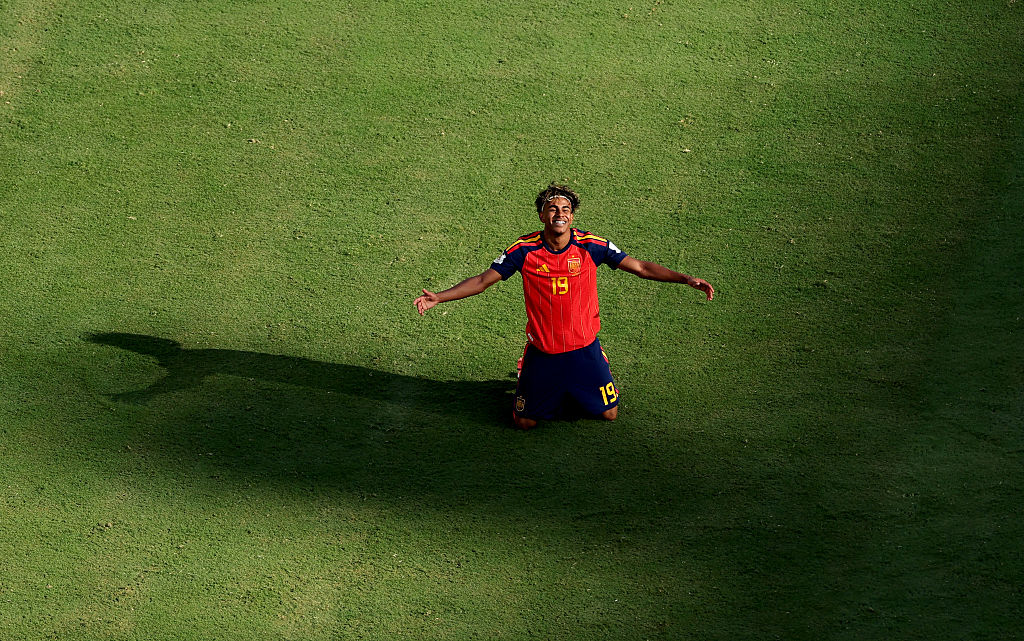
The World Cup returns every four years with the power to pause the world, and what makes it so culturally potent is the way it accumulates meaning over time. You remember where you were in 2010, 2014, 2018, and 2024. Some may even remember where they watched it in 1994, the last time it was hosted in the United States. Each tournament becomes another chapter in a personal and collective history. When the next one arrives, it carries all of that history with it. And that accumulated history is what transforms a sporting event into a cultural phenomenon. The streets fill due to the art of the game as well as the historical moments each team represents. soccer.
We tend to dismiss nostalgia as a retreat from the present rather than engagement with it. But this summer, at least the first half of it, suggests the opposite. The people filling theaters, lining parade routes, and gathering in public squares for World Cup matches and concerts aren’t searching for relics of the past. They’re using shared experiences in the present to connect with history. This is the work culture that has always done its best. It takes individual experience and transforms it into a collective memory to be preserved. It builds continuity between who we were and who we are, while creating the shared experiences that future generations will inherit.
At MOPOP, we see this every day. Visitors stand before a guitar, a handwritten lyric, or a film prop, and they don’t simply see an artifact. They see themselves at a particular age, in a particular place, feeling something they thought they had left behind. Those objects become bridges between memory and identity, connecting personal histories to our broader cultural story.
The defining moments of Summer 2026 are not a coincidence. In uncertain times, people gravitate toward the things that endure. They seek out the cultural touchstones that remind them where they have been, who they are, and who they belong with. The most enduring pop culture has always answered that.
For those of us entrusted with preserving and creating culture, the challenge is to create the conditions for new memories to take root, knowing that the experiences people share today will become the stories future generations return to tomorrow.
That is the work. And this summer, millions of people are doing it together.
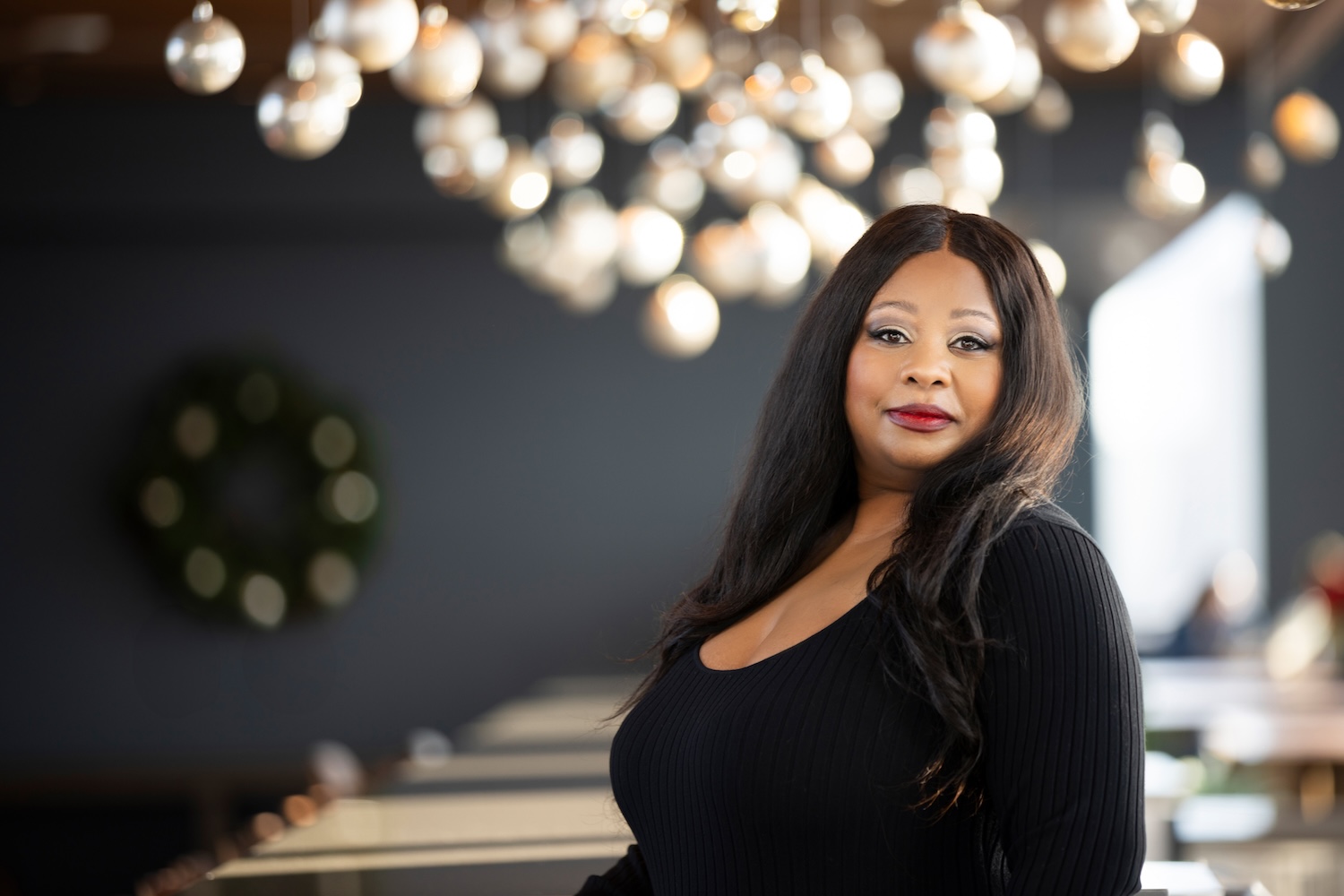
Michele Y. Smith is CEO of the Museum of Pop Culture, one of the country’s leading voices on pop culture’s power to shape identity. The viewpoints expressed in the op-ed are entirely her own.