
Scrolling through TikTok or Instagram lately, you’ve likely seen it: soft-lit videos about deleting apps, switching to flip phones, romanticizing “analog life.” The phrase floats through captions — being offline is the new luxury. In an age of constant updates, notifications, and algorithm-driven visibility, stepping away can look aspirational. Exclusive, even. Still, for many Black creators and community builders whose income and reach are directly tied to their digital presence, logging off is risky.
“Relevance is currency,” said Aley Clark, founder of Black Girl Playground, a digital and physical third space that connects Black women through curated walks and social experiences. “Any whiff of you ‘falling off’ or losing momentum can take just as long to build back.”
For Clark, the idea of “luxury” hinges on who’s saying it. On one level, she understands the appeal. Being offline can mean withdrawing from doomscrolling and opting out of relentless news cycles. But the deeper luxury, she argues, is being so rooted in your real-life community and network that nothing collapses when you do.
“If I step away long-term,” she said, “my income, brand deals, and overall reach can absolutely take a hit. It’s sort of like having a gap in your resume.”
That gap matters in an industry where frequency is often mistaken for productivity and where algorithms reward constant activity. For creators who rely on digital visibility to drive ticket sales, event attendance, partnerships, and sponsorships, silence can feel like self-sabotage.
Ron Hassan, a Philly-born multihyphenate creative who works across marketing, branding, and content creation, puts it more bluntly: “Algorithms like TikTok, Twitter, and Instagram do not reward people for being offline.”

Having gone viral since middle school and built a career intertwined with his online persona, Ron describes content creation as a “24/7 job.” “It’s like a 360 deal,” he said. “If I want to be a content creator or influencer, I have to show up 24/7. You can’t clock off. If you do, you lose visibility and you’re losing income.”
For Black creators specifically, he adds, the pressure is intensified. “The algorithm is already up against us as Black content creators,” he told EBONY. “So if you take a step back, you’re basically signaling that you’re not active. And the platform won’t reward you with visibility.”
The cost of stepping away is measurable in views, engagement, and brand interest. And in a digital economy where sponsorships are tied to performance metrics, breaks are basically unpaid leave.
Clark likens digital detox without financial protection to “taking maternity leave without pay.” The rest might be necessary. The pause might be restorative. But the stress of returning to dwindling engagement or uncertain income remains. “There has to be some sort of safety net,” she said. “So that when you return, you’re not playing catch-up.”
For some creators, that safety net exists, but it’s carefully built. Rosegawd, an LA-based DJ and party curator known for cultivating high-energy, community-centered events, estimates that only about 20 percent of her livelihood is tied directly to her online presence. The difference, she says, is that her foundation was built offline. “As a DJ, I’m outside,” she said. “I connect with people at events.”
Even when she’s gone viral on TikTok, it’s often because attendees post her sets themselves. “If I ever decided to truly leave the internet but continue as a DJ, I’m confident the real-time experiences people post on their own would continue to give me enough visibility,” she said.
For her, being offline can feel like a luxury, specifically, freedom from “the shackles of constantly posting.” She points to a friend who reportedly makes around $60,000 a month on TikTok but spends hours every day on live streams and content production. “Creatives who have high visibility online push out a lot of content,” she said. “That means making moments out of as many things as possible in their lives.”
In that sense, the luxury is privacy. It’s the ability to experience a moment without immediately converting it into content.
Still, Rosegawd knows firsthand how fragile platform dependency can be. In 2022, her Twitter account was suspended right before a merchandise drop. Later, her Instagram was hacked just before a paid brand collaboration that required her to post. “I had no way to reach the people who were waiting,” she says. “I felt that in the numbers.”
The experience forced a pivot. She began building a direct email list, which now boasts 20,000 subscribers and a 90 percent open rate. When her Instagram was compromised again, she was able to show a brand partner her email metrics and push campaign content through that channel instead. “The lesson wasn’t to disappear,” she said. “It was to have ownership.”
That ownership — of audience, infrastructure, and access — may be the truest form of digital luxury. For some legacy artists and established brands, social media functions as a highlight reel, a marketing tool. For emerging creators, it’s often the opposite.
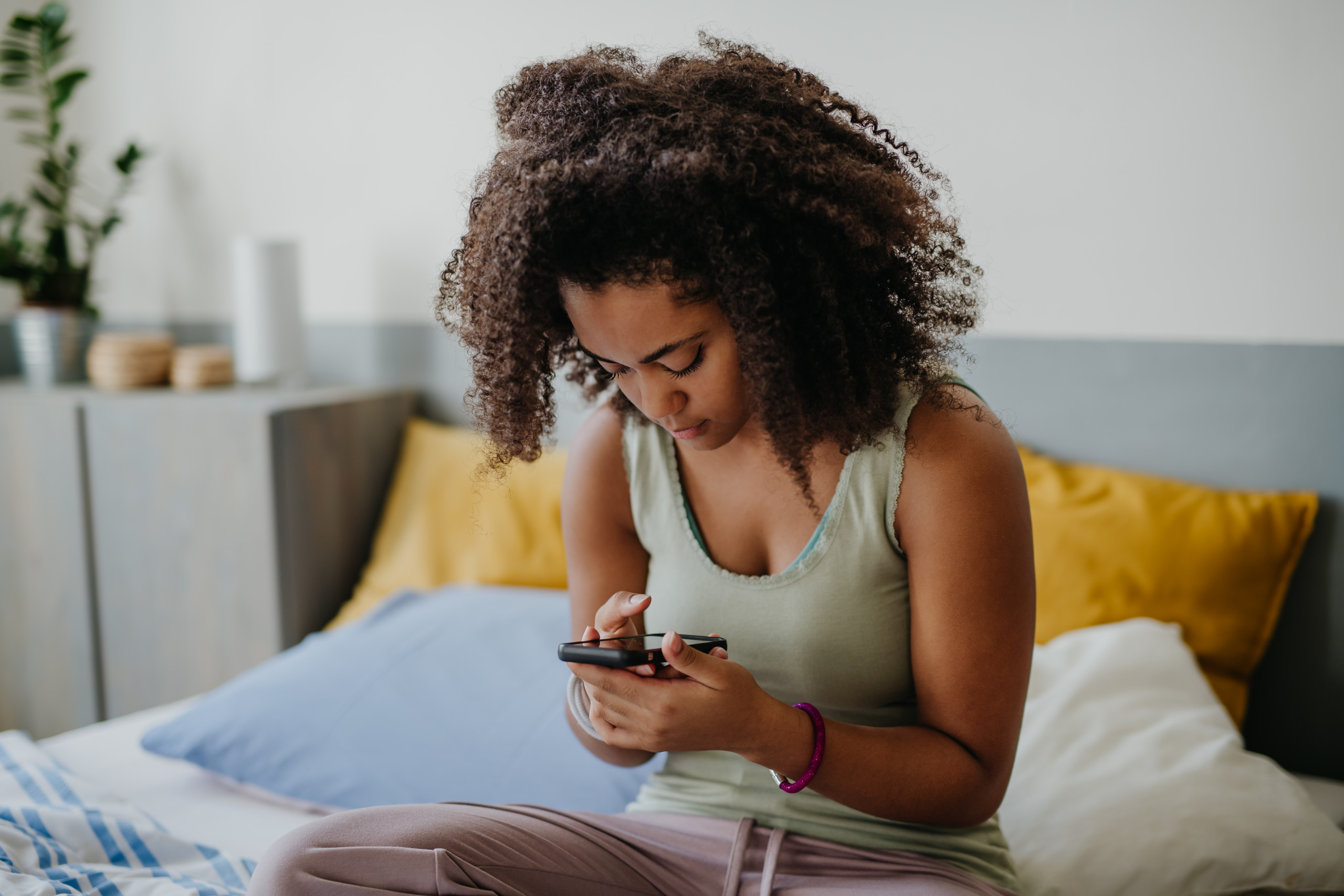
At the same time, the benefits of stepping back are real. Ron describes social media as addictive, noting how easily digital interactions can masquerade as meaningful connections. “DMing your friend or commenting on a post isn’t the same as a grounded human connection,” he said. “Pulling yourself back into reality can be beneficial.”
Clark agrees that what many people are actually seeking isn’t disappearance but balance. Privacy without invisibility, rest without penalty, community both online and off. “The intentions behind ‘offline is luxury’ might have been good,” she said. “But what it missed was who’s actually on the other side of the screen.”
For Black creators and community builders in particular, that side of the screen often represents business, organizing, and third spaces built from timelines and hashtags. However, it’s also marketing, sales, and client work.
In that context, being offline isn’t inherently radical nor is it always feasible. The real luxury is having income, community, and infrastructure that don’t disappear when you need to.