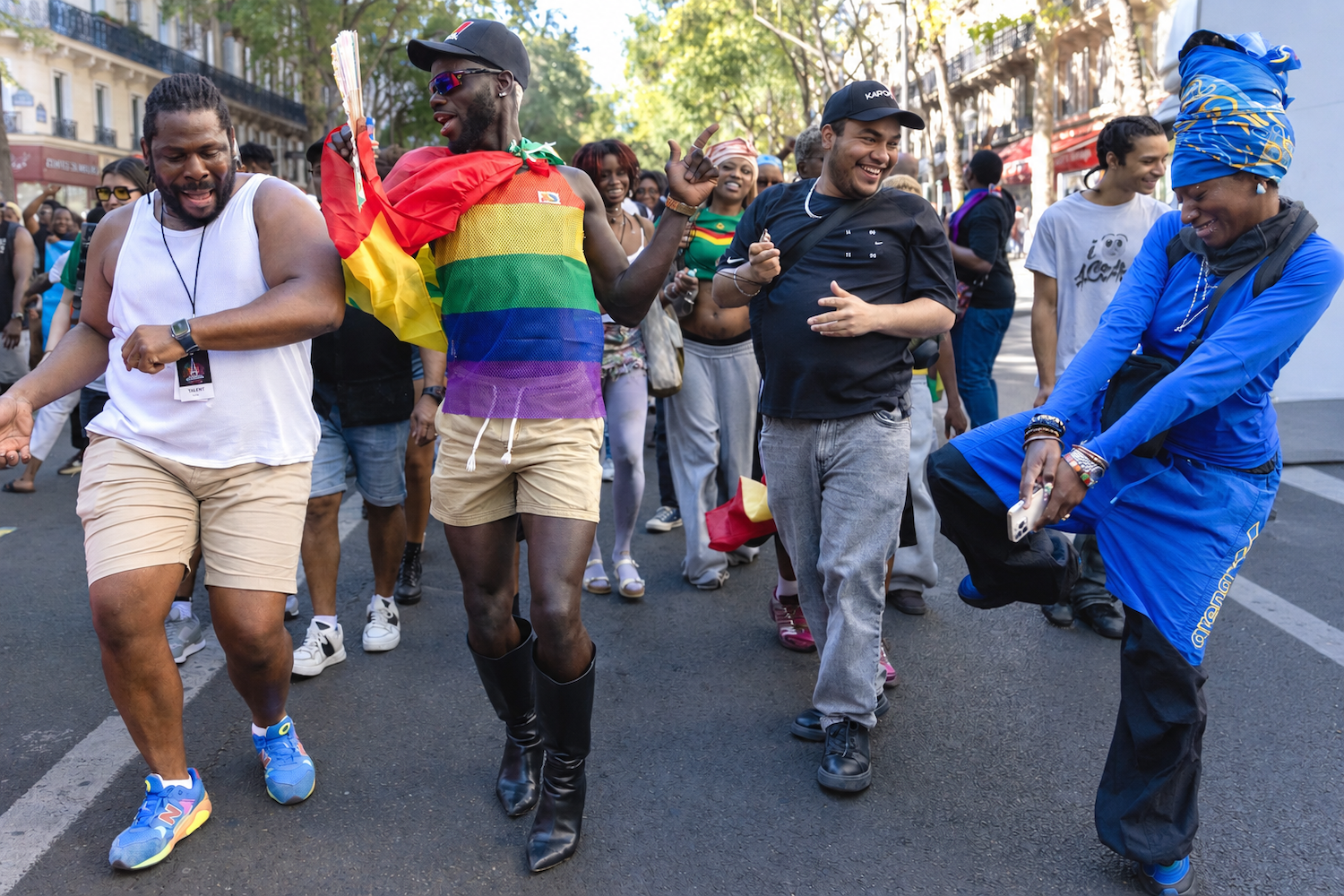
When the Paris tourism office, “Paris je t’aime,” first invited me to celebrate Global Black Pride 2026, I didn’t know what to expect. As a California native, I am a seasoned veteran of celebrating the American queer community back home, having experienced San Francisco Pride and West Hollywood Pride on several occasions over the years. In my hometown during the summertime, the streets become open-air dance floors as people from all walks of LGBTQIA+ life flood various avenues and boulevards to make their existence shine together.
But in Paris, Global Black Pride isn’t just an international recognition of Black queer voices; it is a communal destination. It is a place where an intergenerational, multilingual, and multicultural crowd of Black trans, lesbian, bi, and gay folks flock to France to speak their truths. It was profoundly emotional to see people from diverse African nationalities and the Black diaspora bring such palpable energy—one you can only feel when you see how many of us share similar stories after banding together.
The extensive event programming and public engagements drew thousands of international attendees, alongside many local Parisians. The festivities ran over a weekend earlier this month, kicking off with an opening ceremony where Paris’s very own mayor, Emmanuel Grégoire, gave a heartfelt speech honoring queer history in the storied city. The next day, a glamorous gala honored Niecy Nash, and French and American artists took the stage to showcase their immense talents.
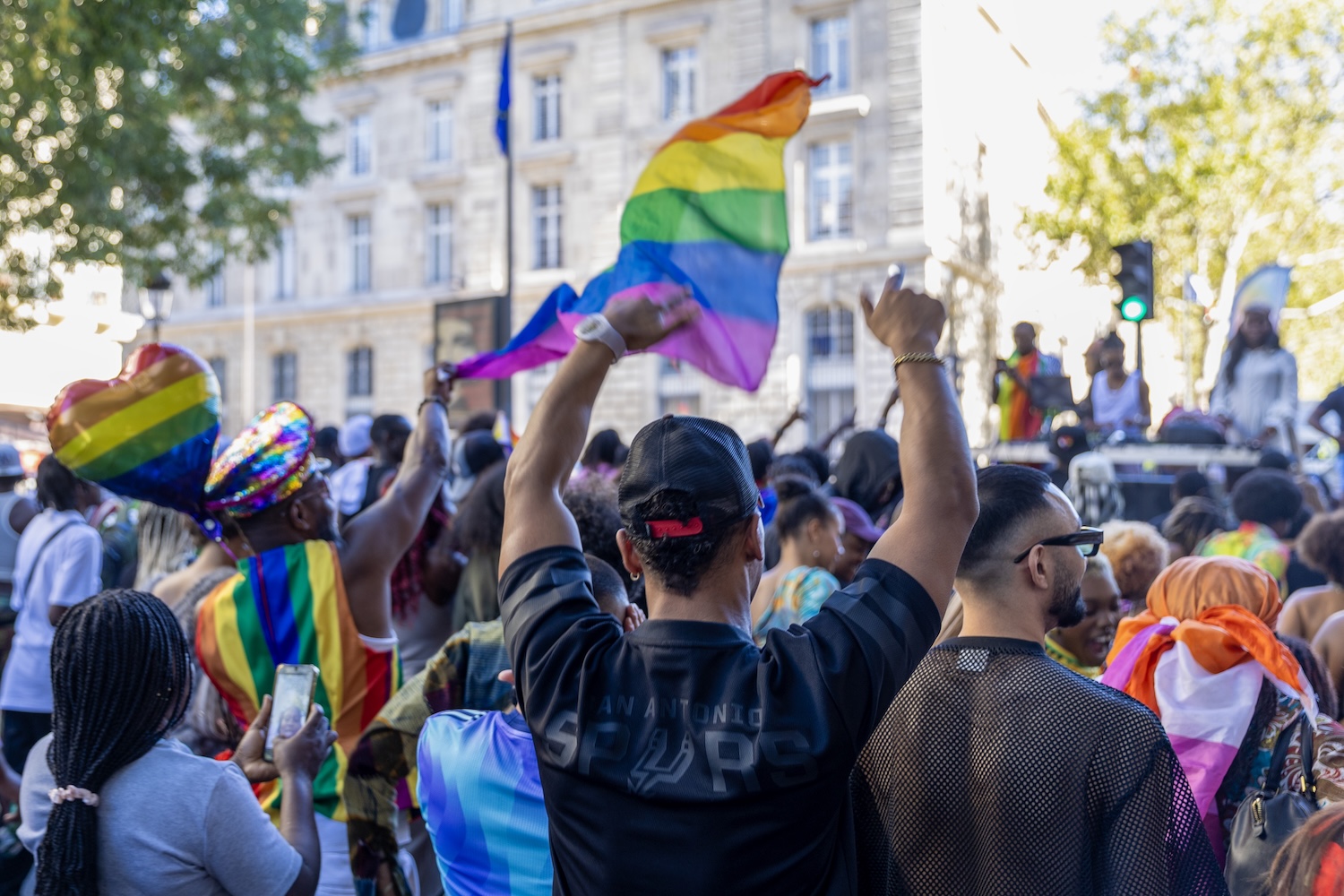
On Sunday, a peaceful march took place from Goutte d’Or (Square Léon) to Château Rouge and Château d’Eau, ultimately culminating at the Place de la République. In the 18th arrondissement, or Goutte d’Or, African immigrants and their families have proudly made the neighborhood their home for decades.
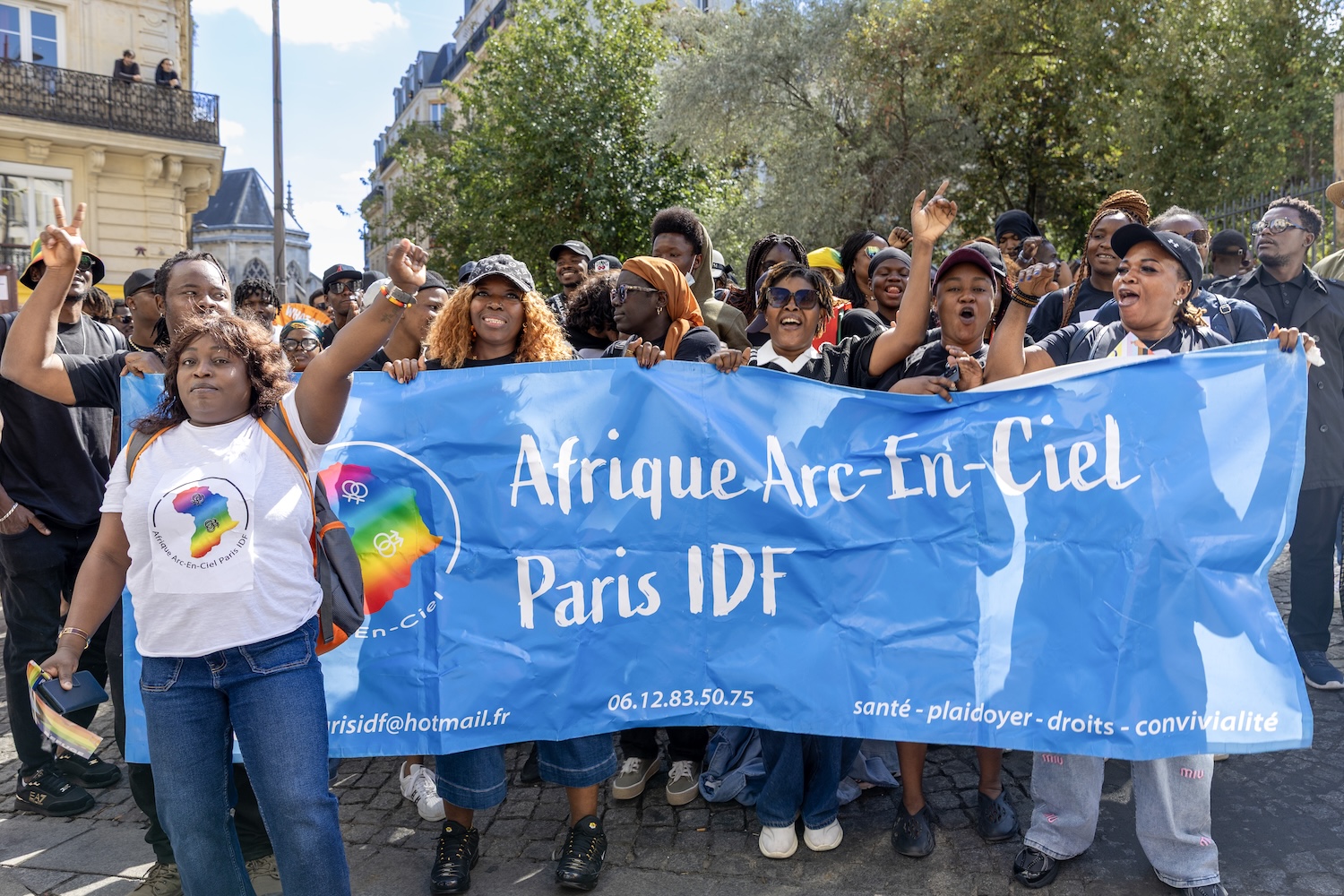
Panels were held throughout the week. One titled “Queer Power In Crisis” discussed organizing amid funding cuts and highlighted the anti-gender backlash in Africa, with speakers Crystal Hendricks and Yvee Oduor explaining the urgent necessity for protection and awareness. Another revelatory conversation brought together Black and POC Pride organizers from across Europe and the Caribbean, such as Nyira Hens (Antwerp Pride of Color), Naomie Pieters (Amsterdam Black Pride), and the minds behind Pride des Banlieues and Kreyol Pride. The major difference between Global Black Pride and Pride in the United States was that in Paris, the focus was entirely on mutual education to expand the global community’s horizons.
I always knew Paris had a rich legacy of Black queer historical figures. In 1948, a young James Baldwin moved to Paris and became an American expat deeply integrated into Parisian society, transforming into an activist and revered artist who challenged the country’s status quo. He wrote his famous gay novel, Giovanni’s Room, in Parisian cafes that still stand today, and the vestiges of his work and greater impact can still be felt.
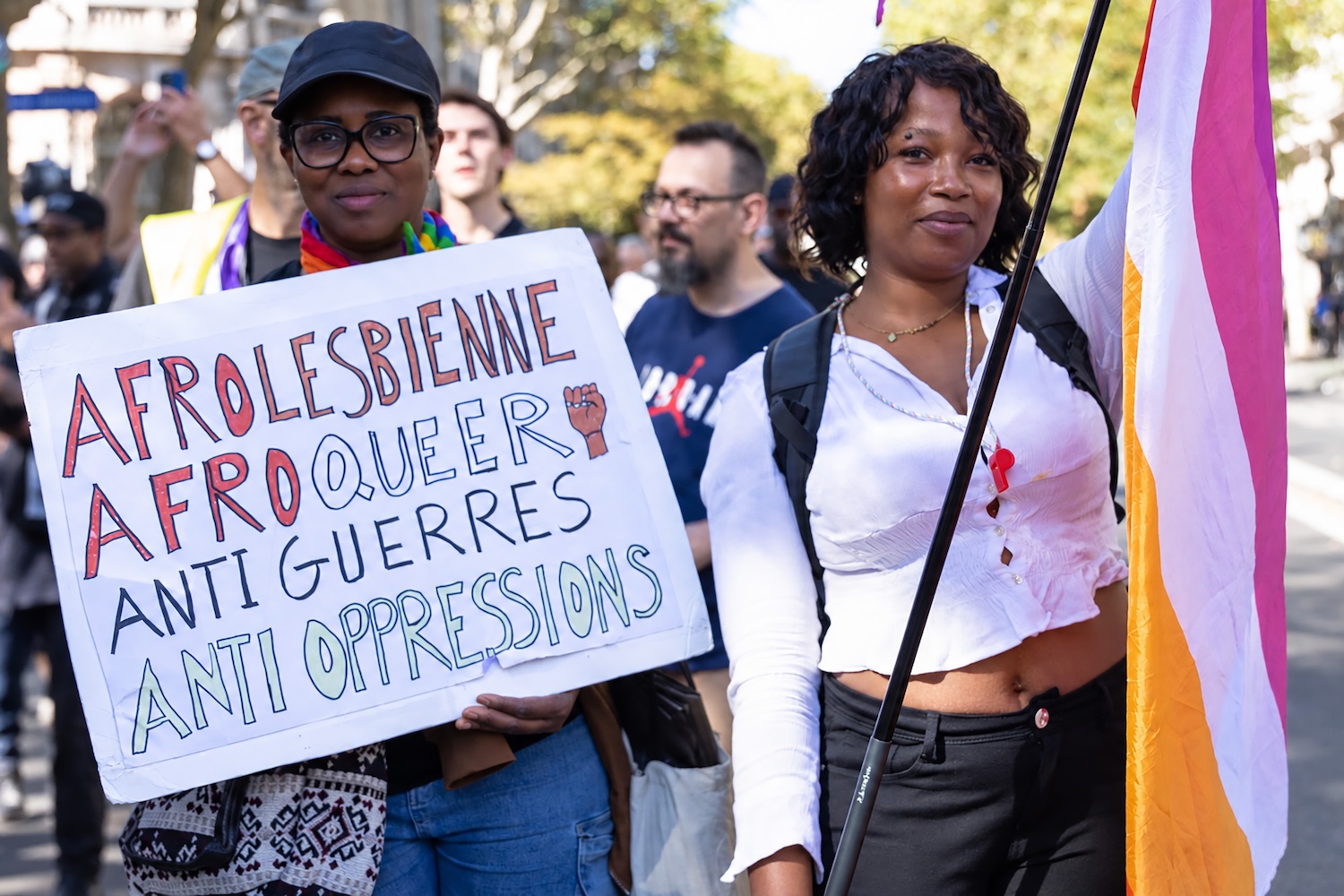
Global Black Pride 2026 brought together LGBTQIA+ trailblazers from around the world who shared a singular vision: to push the queer community forward. I met a Black lesbian collective from Washington, D.C., and Baltimore that has carved out space for Black women to feel liberated in their cities. A trans leader from the Caribbean shared the stage with the Black Pride founder of London’s largest queer celebration, and both spoke about how local donations and public funding have allowed their organizations to stand the test of time.
Oftentimes in the United States, Pride celebrations can feel like community activations for brands to join the conversation without making a substantial impact. What I discovered at Global Black Pride 2026 in Paris is that Black community activists are actively seeking ways to connect so that we can fund each other’s initiatives by supporting the next generation of LGBTQIA+ voices who will soon carry the torch.
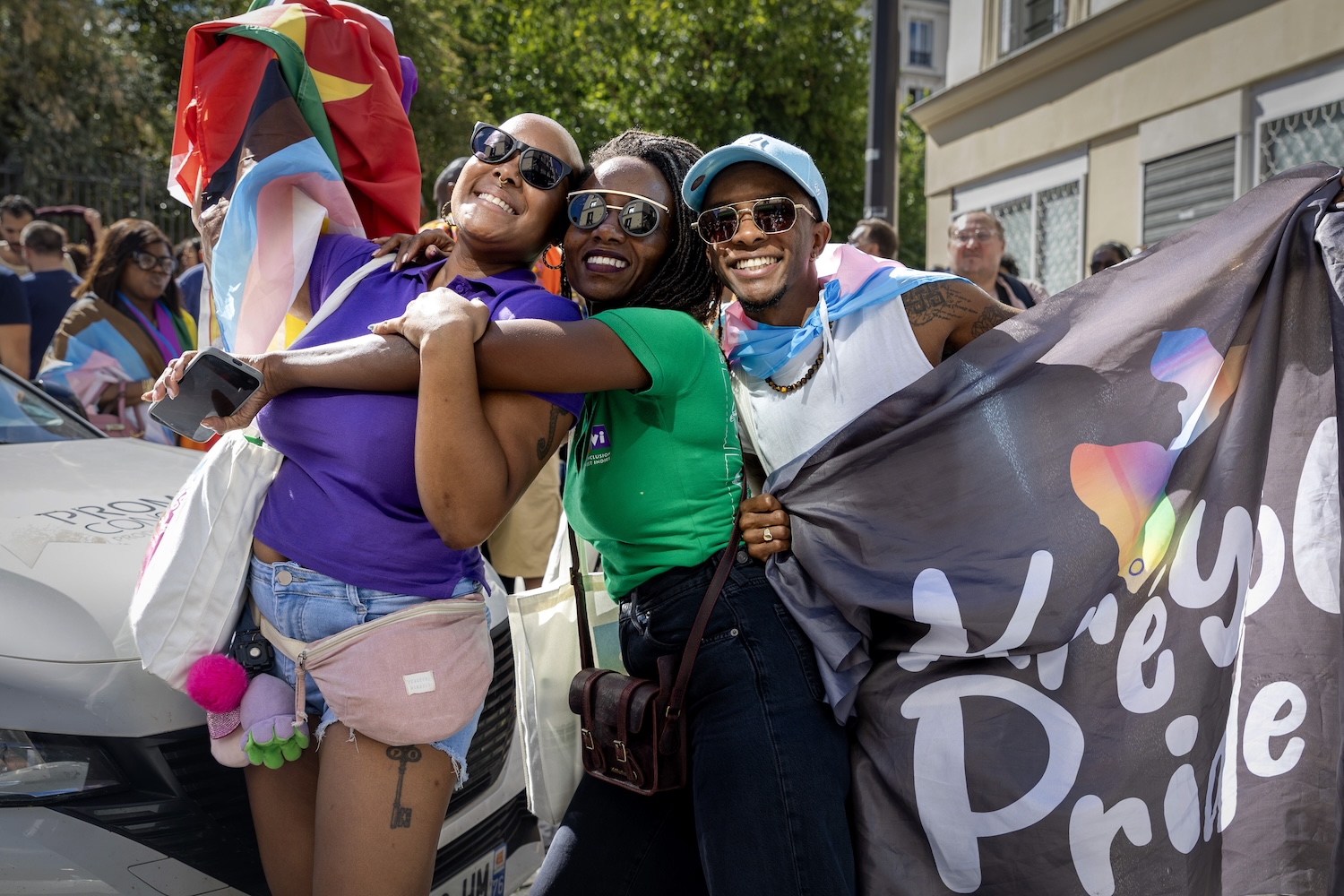
I remain awe-inspired because the weekend didn’t revolve solely around partying or dancing, even though that is a beautiful form of liberation and worship for many Black queer folks. The real rejoicing came from watching those who put their hearts and souls on the line in their everyday work to make the future easier for those who look and love like us.