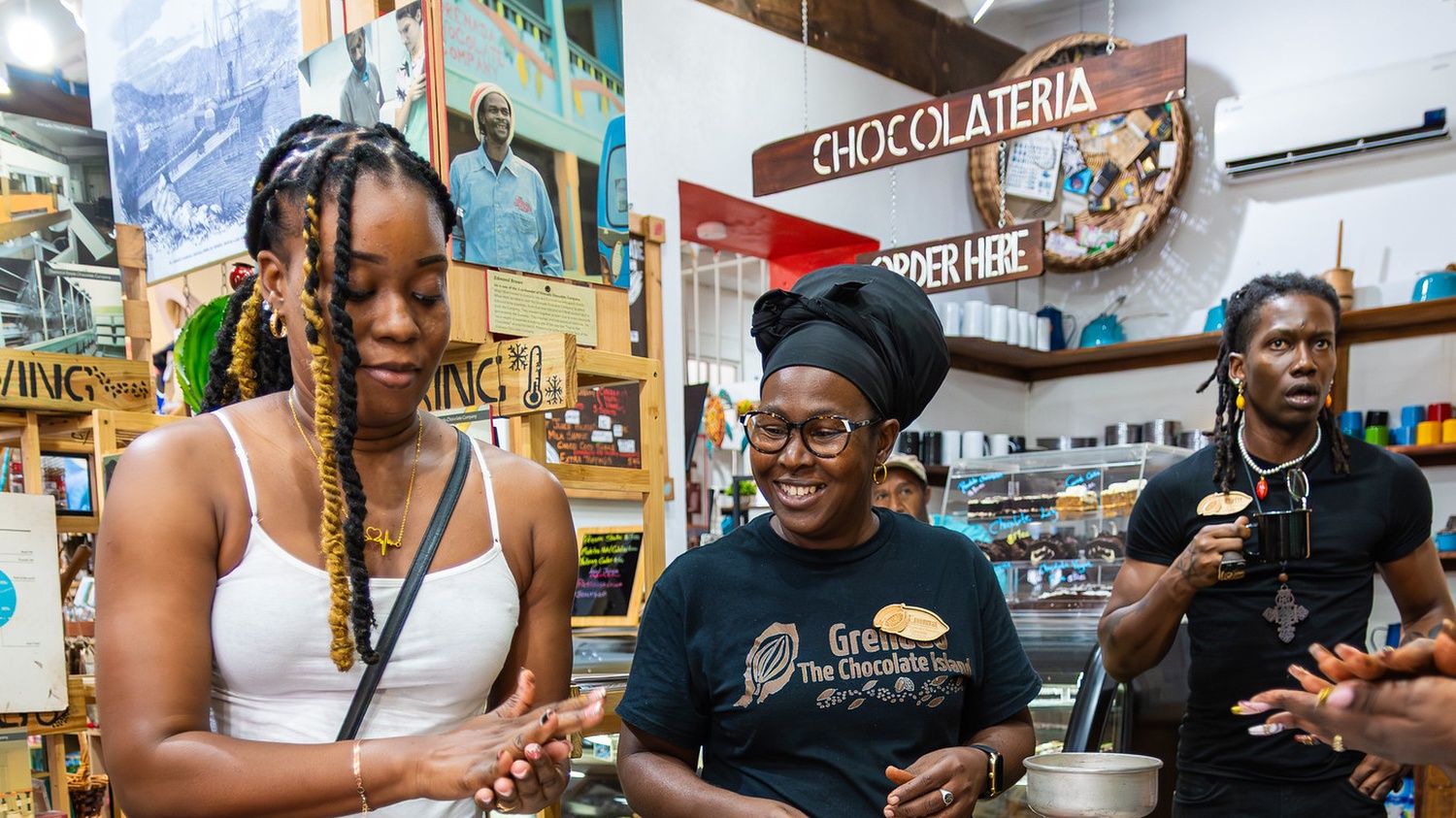
When Hurricane Beryl hit two years ago, many things were affected, particularly Grenada’s agricultural landscape. Which is why experiencing their Chocolate Festival for the first time felt like more than just a reason to indulge in their rich cocoa; it was also a chance to get to know such a resilient community. Now, if you’re reading and wondering ‘what does a festival all about chocolate get into?’ don’t worry, we’ve got you.
Grenada, also known as the “Spice Isle,” is vibrant during Spicemas, but it’s much more than that, and I experienced that through the 2026 Chocolate Festival, which is not just a celebration of chocolate but a testament to the community’s spirit and strength. “When people think about chocolate, they think about Europe, and you don’t necessarily think about the Caribbean, so this really is a celebration of agriculture,” said Stacey Liburd, CEO of the Grenada Tourism Authority. “It’s an opportunity for us to share, through chocolate, and be able to share culture, the significance of our farmers and what they do in this space.”
As a first-timer, this festival offered me a different view of how people come together, and it wasn’t a bad thing that the backdrop was all chocolate. Seeing how farmers blend chocolate indulgence with education helped visitors like me delve deep into the world of cocoa. I stayed at the True Blue Bay Boutique Resort, which was the official hotel for the festival, and it felt more like a family space rather than a traditional resort, really giving us a true-to-heart experience.
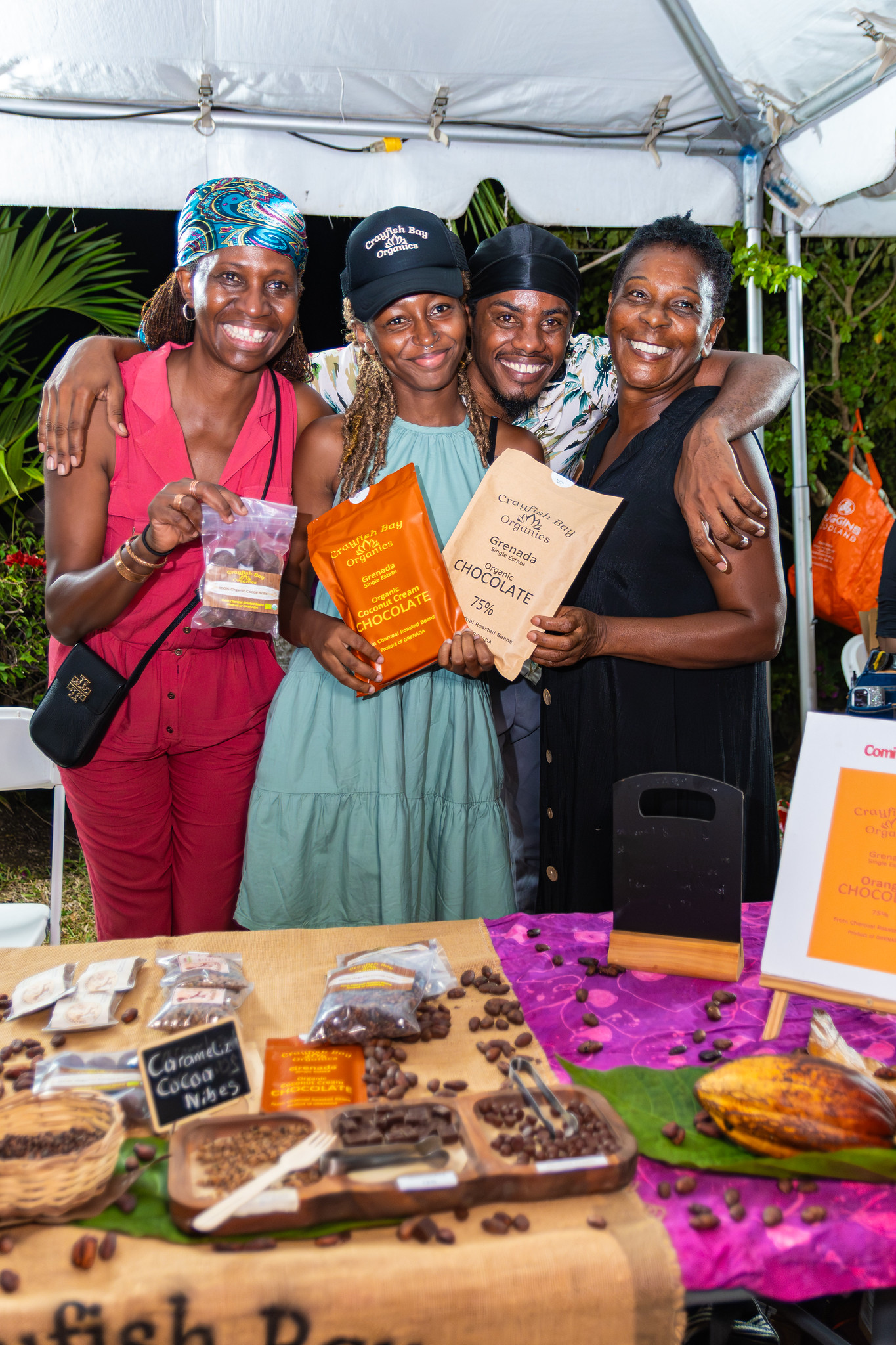
To kick things off, I had what Grenadians would call a “true local experience” at Mt. Parnassus Plantation, where I enjoyed a creative fusion of chocolate, art and cuisine. Hosted by the President of Agro-Tourism Grenada and Mt. Parnassus Plantation, Tricia Simon, we were able to get a look behind the glitz and the glam and see how cocoa is such a vital part of the island. The rich greenery and sustainable practices offered a clearer perspective on how the environment plays a part in everything.
This educational aspect is crucial because it highlights the importance of sustainable practices and the heritage of Grenadian cocoa farming. “We’re very big on health and wellness. It’s important that we stop using all the chemicals,” Simon said while showing us how to make a cocoa scrub.
Engaging with local farmers and those in agro-tourism helps build a deeper connection between visitors and the community, transforming the festival into a platform for cultural exchange and appreciation. She emphasized the need to continue these practices for the next generation. “You have to let your children understand your customs and your culture because it’s important.”
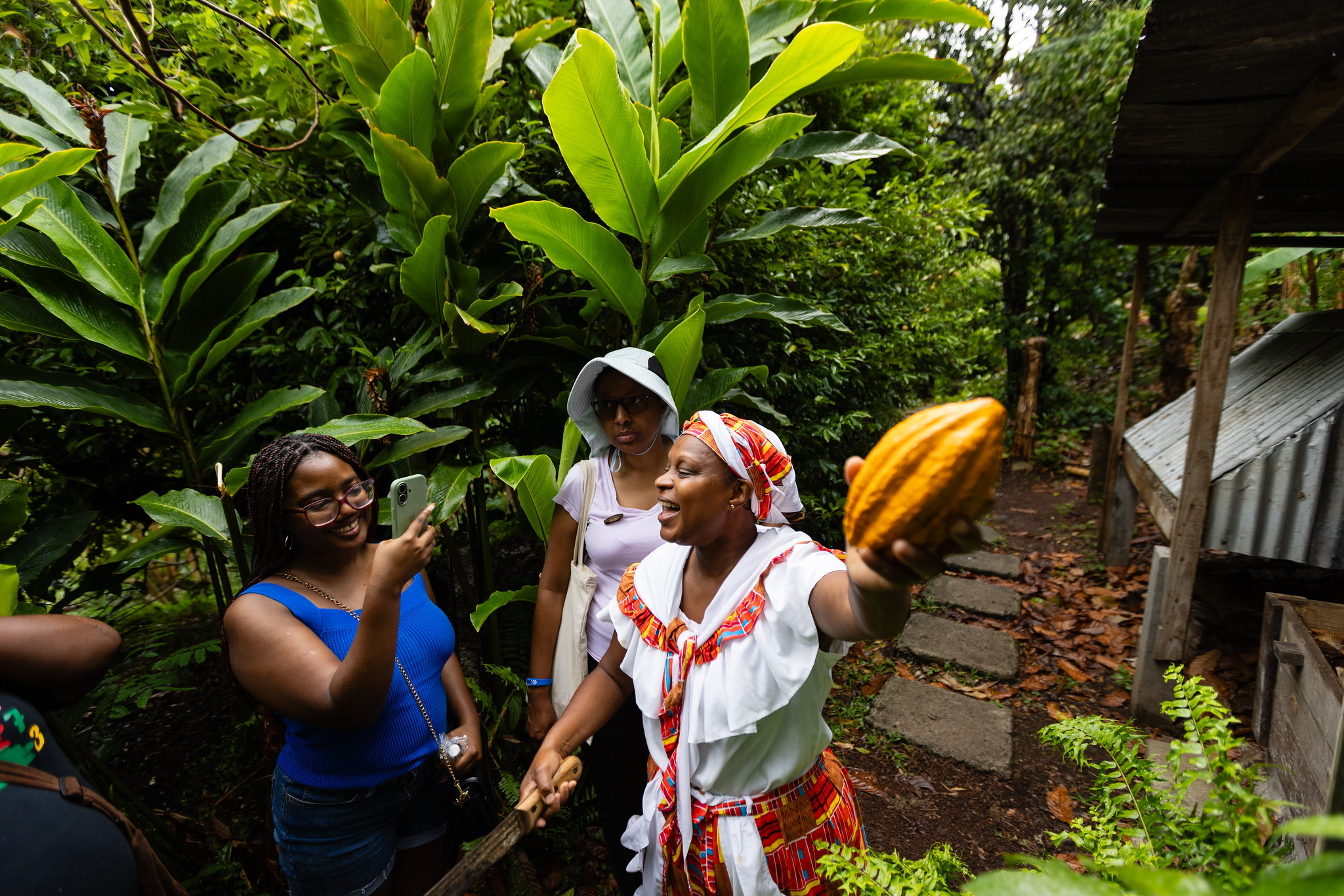
After Hurricane Beryl struck, the agricultural community wanted to ensure that these customs and traditions would continue to be celebrated, because cocoa farms are integral to the island’s economy and cultural identity. However, the recovery process that followed demonstrated the farmers’ resilience and unwavering commitment to cocoa cultivation. The Chocolate Festival continues to symbolize a beacon of hope, revealing how the local community always comes together.
“Any destination that has gone through a hurricane, it really takes a lot to move from what is lost and recognizing what we have, and the fact that life goes on, and so this is just another chapter,” Liburd told EBONY. “the island really has bounced back, and for us to have chocolate festival, and to see not only, you know how our visitors respond, but also our locals, so the significance is for people to see how in Grenada we band together to get back to life.”
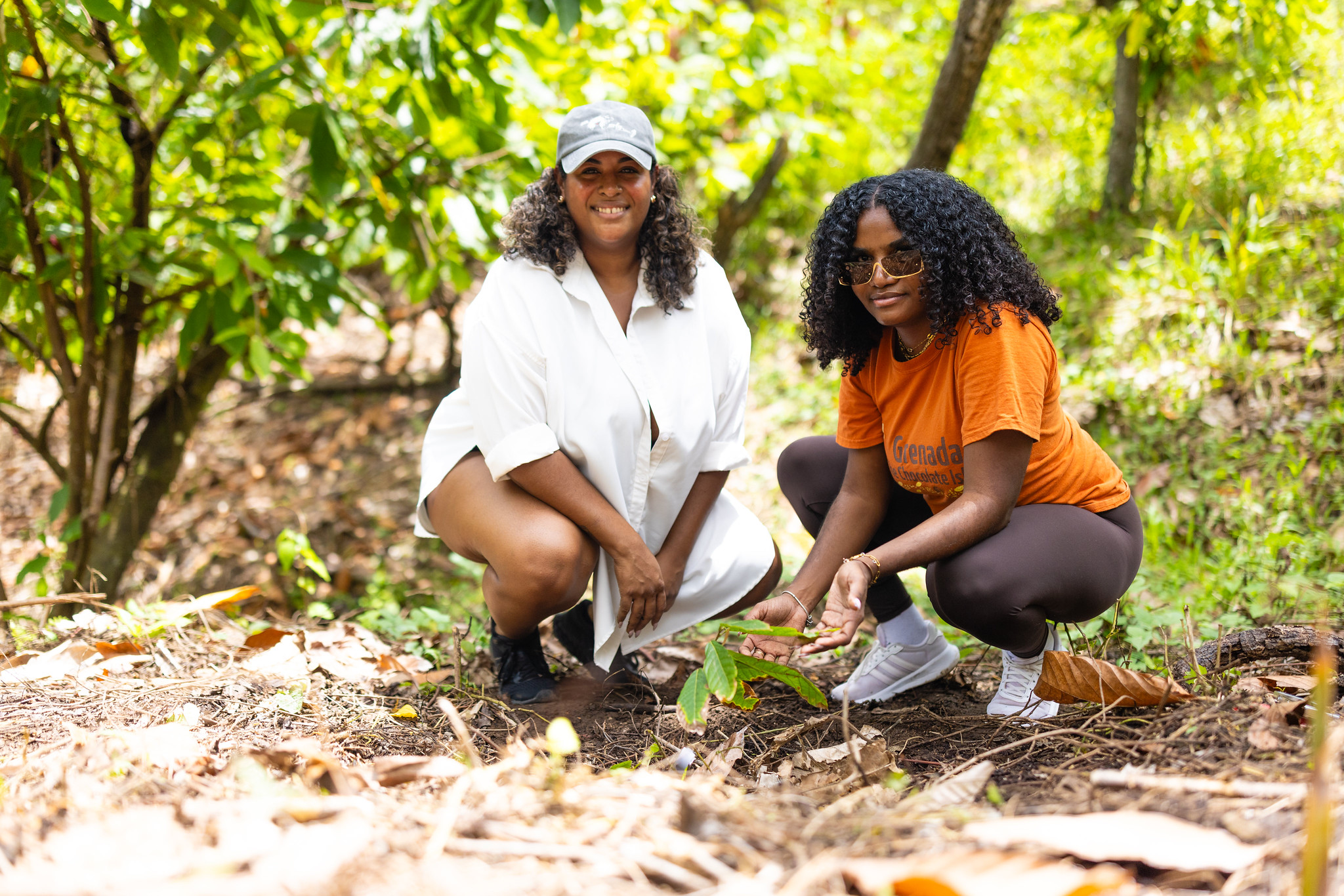
Throughout the festival, attendees can enjoy a variety of events, including chocolate tastings, cooking demonstrations, and workshops led by local chocolatiers. Local artisans showcase their skills, often using traditional methods passed down through generations, truly driving home the importance of intergenerational bonding. This fusion of history, culture, and culinary expertise strengthens the bond between the community and its agricultural roots.
Chocolate is not merely a product but a part of the island’s identity. The cultivation and processing of cocoa have shaped the livelihoods of many families, and the festival offers people like me a chance to understand the integral role chocolate plays in local traditions. From desserts that reflect the island’s flavors to skincare that literally brings life to the skin, chocolate is woven into the fabric of Grenadian life.
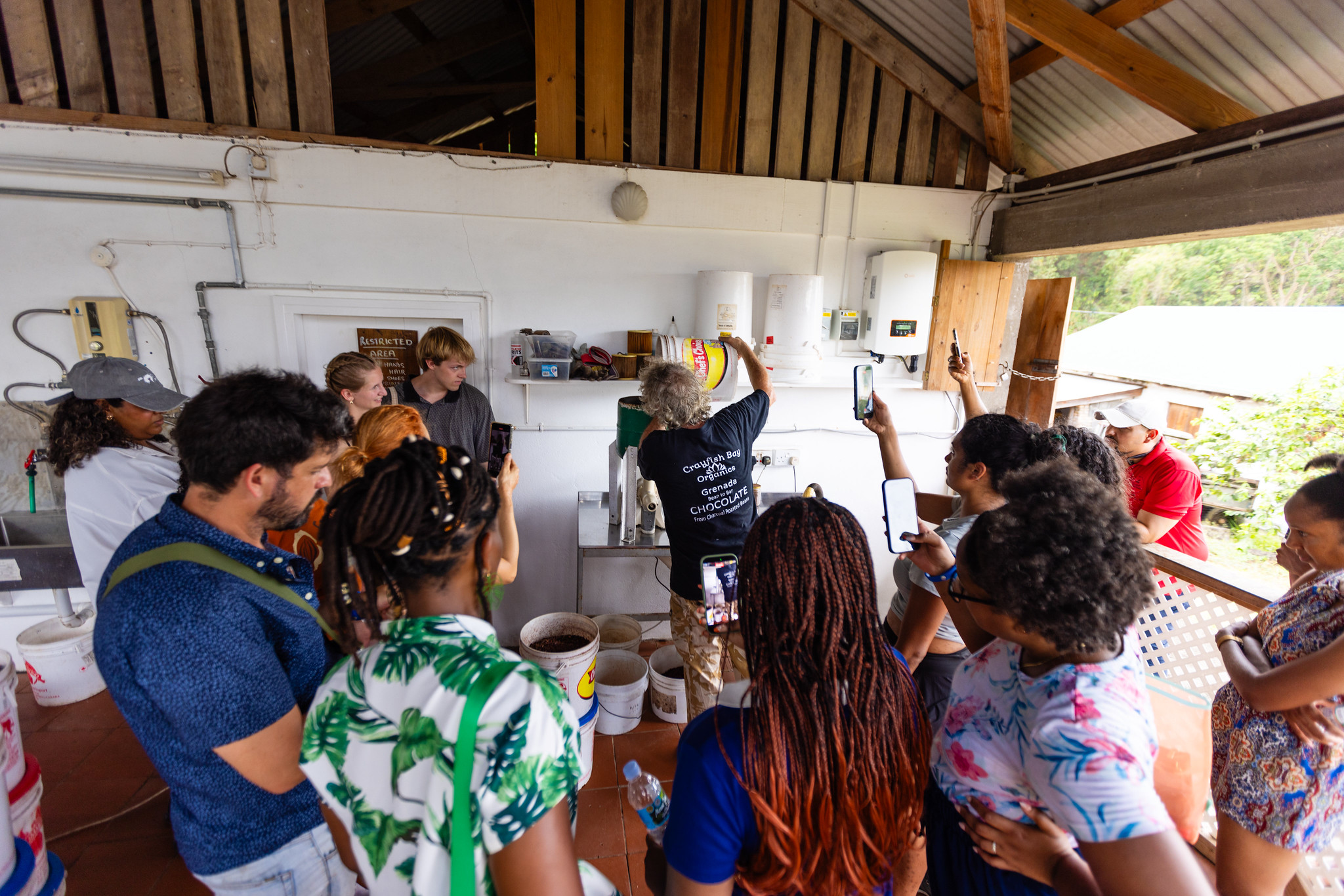
The resilience displayed during the festival echoes the determination of the farmers who have worked tirelessly to restore their livelihoods. They embody a spirit of innovation, embracing sustainable agricultural practices that not only support the environment but also enhance the quality of their cocoa. This commitment to sustainability is vital as the world faces climate change and agricultural challenges.
Grenada’s Chocolate Festival is much more than a celebration of sweet treats; it is a powerful symbol of a bounce back. It honors the dedication of cocoa farmers and their ability to recover from setbacks while embracing sustainability.
By bringing together visitors and locals, the festival fosters appreciation for Grenadian culture and the importance of supporting local agriculture. As the island continues to navigate the impacts of climate change and economic challenges, events like the Grenada Chocolate Festival play a crucial role in promoting hope, education and unity.