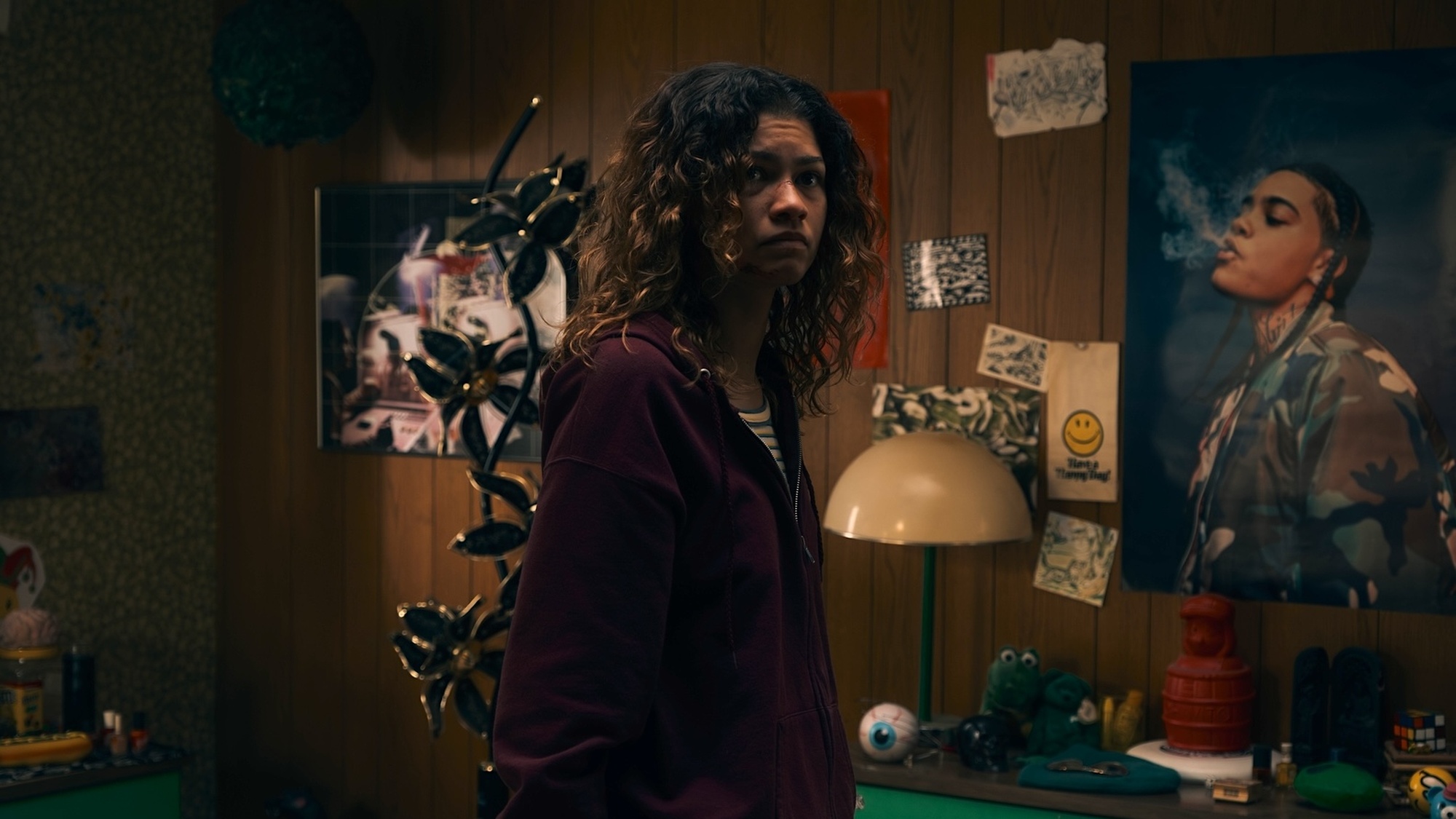
When Euphoria premiered in 2019, it felt like one of the most honest portrayals of addiction and trauma in adolescence on television. The show’s messy, flawed characters were difficult to watch, but they felt real. By Season 3, however, it felt like we were watching an entirely different series.
The series started as an intimate character study, but it evolved into a sprawling crime saga marked by increasingly bleak storylines and a growing reliance on Black trauma and violence to raise the stakes. It’s not just that Euphoria got darker; it also strayed from what drew people to it in the first place, leaving many viewers — myself included — feeling disconnected from its core.
Warning: Spoilers ahead.
How Addiction Took a Back Seat
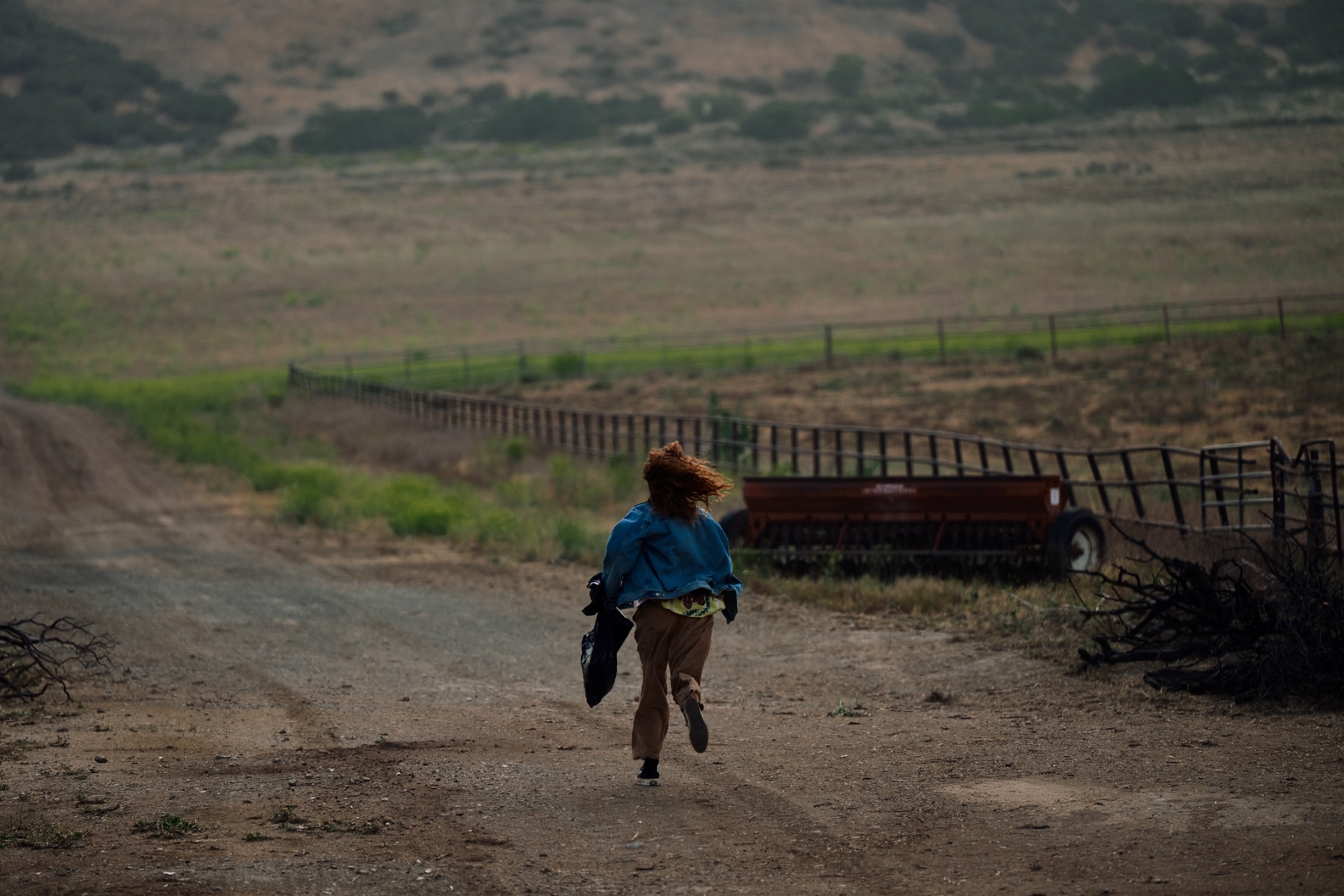
Euphoria has always been about the harrowing grip of addiction, particularly through Rue, played by Zendaya. From recklessly disregarding how her addiction affected the people around her to desperately searching for redemption through prayer and sheer determination, Rue’s journey was one of the show’s most relatable and emotionally resonant storylines. Then things took a darker turn.
Instead of focusing solely on relapse and recovery, Rue found herself pulled deeper into the drug underworld after owing a monotone, ruthless drug dealer a substantial amount of money. Suddenly, we were pulled into a crime-infused thriller centered on drug trafficking, violence, and survival, and it was so far from the emotional core that originally made Euphoria compelling. And why were there no normal paths for these characters? As questioned on Reddit:
“Did no one go to college? Why are the characters behaving like someone else entirely. Acting wise everybody is amazing. But I have to be missing something.”
Euphoria’s five-year time jump turned a show that examined adolescence into a bloody Western noir, creating an environment that just felt unrecognizable.
Tragedy Without Closure?
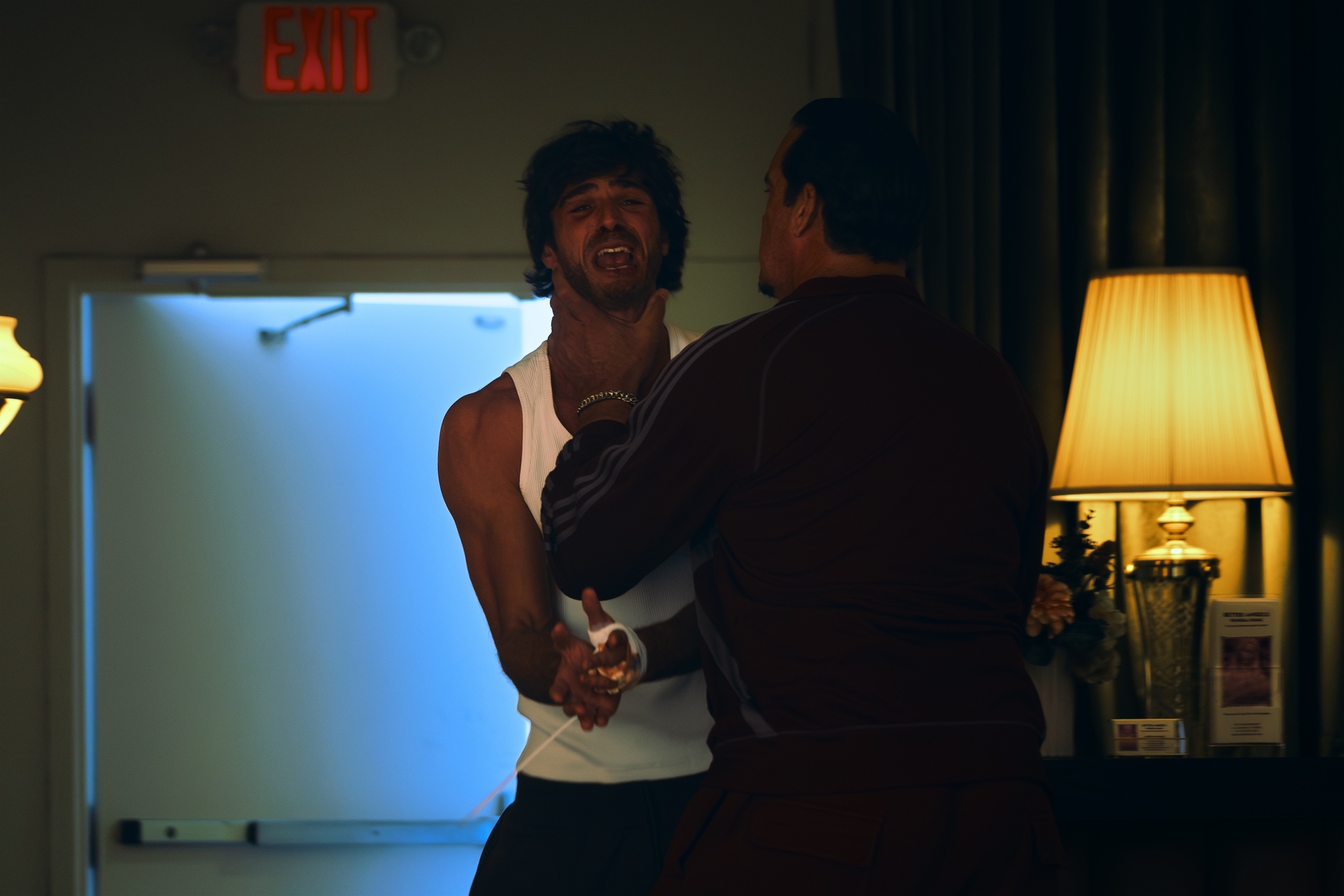
HBO and creator Sam Levinson have confirmed that season 3 is Euphoria’s last. With stars Zendaya and Jacob Elordi glowing up to major film careers, their death toll count makes sense. But it still left viewers feeling like there was a lack of substantial closure for their stories.
X user AK!!RA questioned why, if Rue’s storyline was about recovering from addiction, it ended with her death. She noted that not all addicts overdose.
Another viewer posted: “Season 1 Rue would’ve wanted to die. Season 3 Rue finally wanted to live. And they still took her. That’s cold.”
Season 1 Rue would’ve wanted to die. Season 3 Rue finally wanted to live. And they still took her. That’s cold. pic.twitter.com/nrTAPGRju5— Tyson.nie 📸 (@tysonphotoo) June 1, 2026
Levinson may have viewed the ending as a Greek-level tragedy, but a fitting conclusion to Rue’s story. But the finale felt like another step away from the emotional realism that once grounded the series. And while Rue’s reunion with her mom was visually stunning, her death lacked empathy and emotional closure.
But some found this ending deeply affecting. Tina Knowles shared an emotional response on Instagram, reflecting on her late nephew’s struggles with addiction and explaining why Rue’s story stayed with her long after the episode ended.
Shock Value for Shock’s Sake?
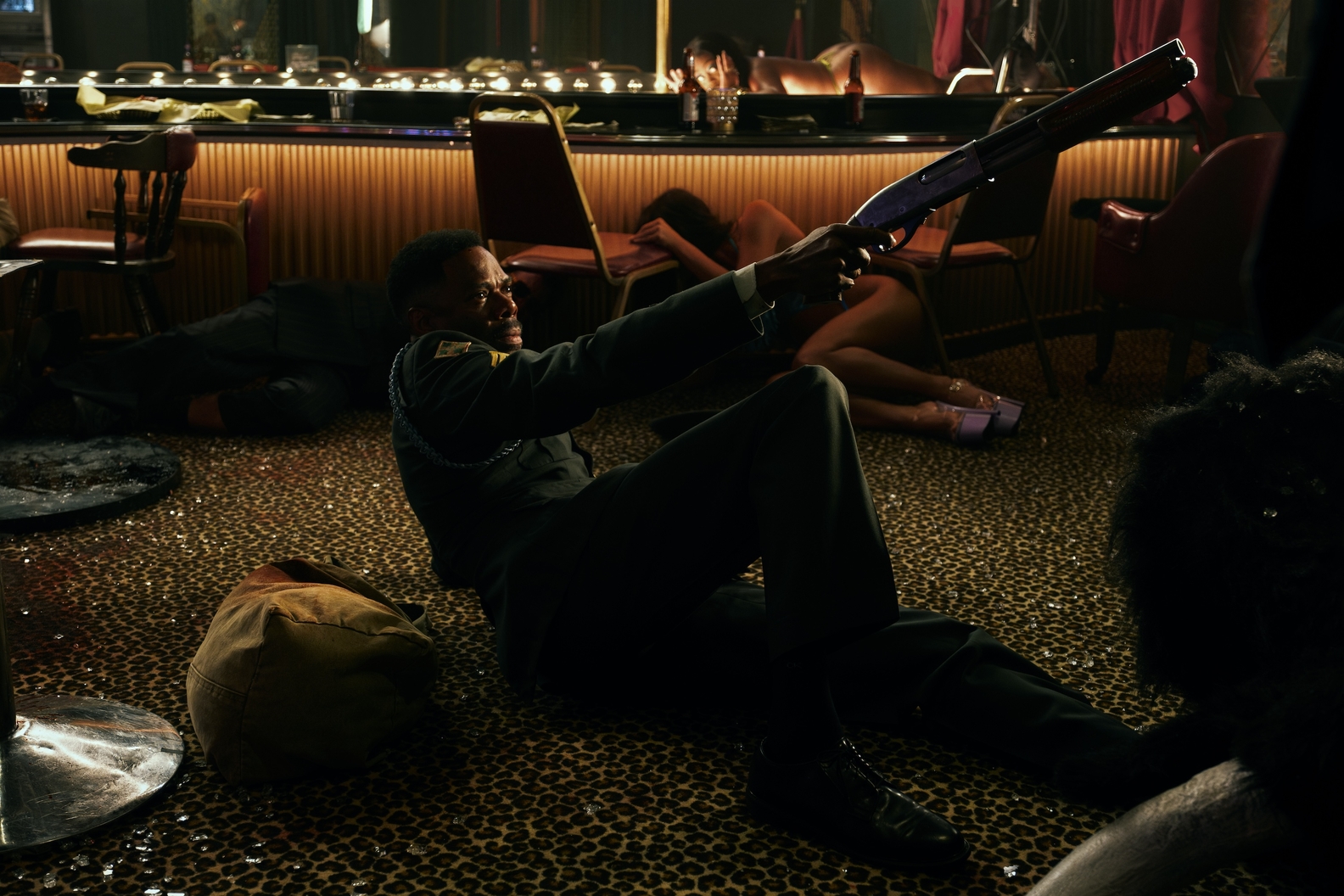
While Euphoria‘s first two seasons examined the personal destruction caused by addiction, Season 3 wandered into larger and more violent territory.
The final episode culminated in a dramatic showdown as Ali confronted Alamo to avenge Rue’s murder: an overdose of pain drugs laced with fentanyl that Alamo gave her. The performances by Colman Domingo and Adewale Akinnuoye-Agbaje, who play the characters respectively, were stellar. But the reaction from viewers throughout the season was Euphoria‘s increasing reliance on Black male violence to raise the stakes.
Levinson told The New York Times that the ending reflected the unavoidable tragedy that often accompanies modern addiction. Euphoria did begin as a raw examination of addiction, identity, and survival. But the end of Season 3, and the world viewers had fallen in love with? Long gone.
Yes, the visuals were still stunning. Yes, the performances were still powerful. But for many, particularly Black viewers, Europhia trading in its emotional core for shock value, seediness, and a troubling dependence on Black pain and violence, is not the ending Rue or the rest of the cast deserved.