“I’ll kill you, my kids and myself.”
A sinister threat 31-year-old Army veteran Shamar Elkins said to his then fiancé Shaneiqua Pugh in Shreveport, La.
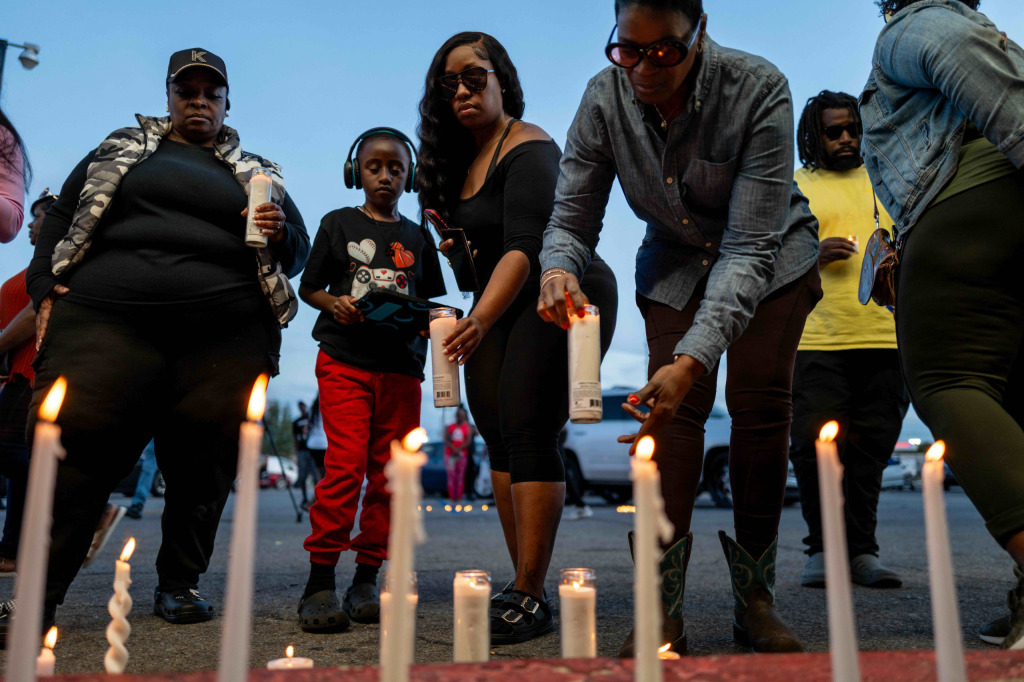
On April 19, Elkins fatally shot eight children ages three to 11 in what authorities identified as a domestic incident; seven were his own. Elkins also shot two adult women, including the children’s mother, Pugh, who survived with injuries before he was unalived by police after fleeing the scene. According to reports, Pugh and the other victim whose name remains undisclosed, were specifically targeted as an act of retaliation following her decision to end the relationship.
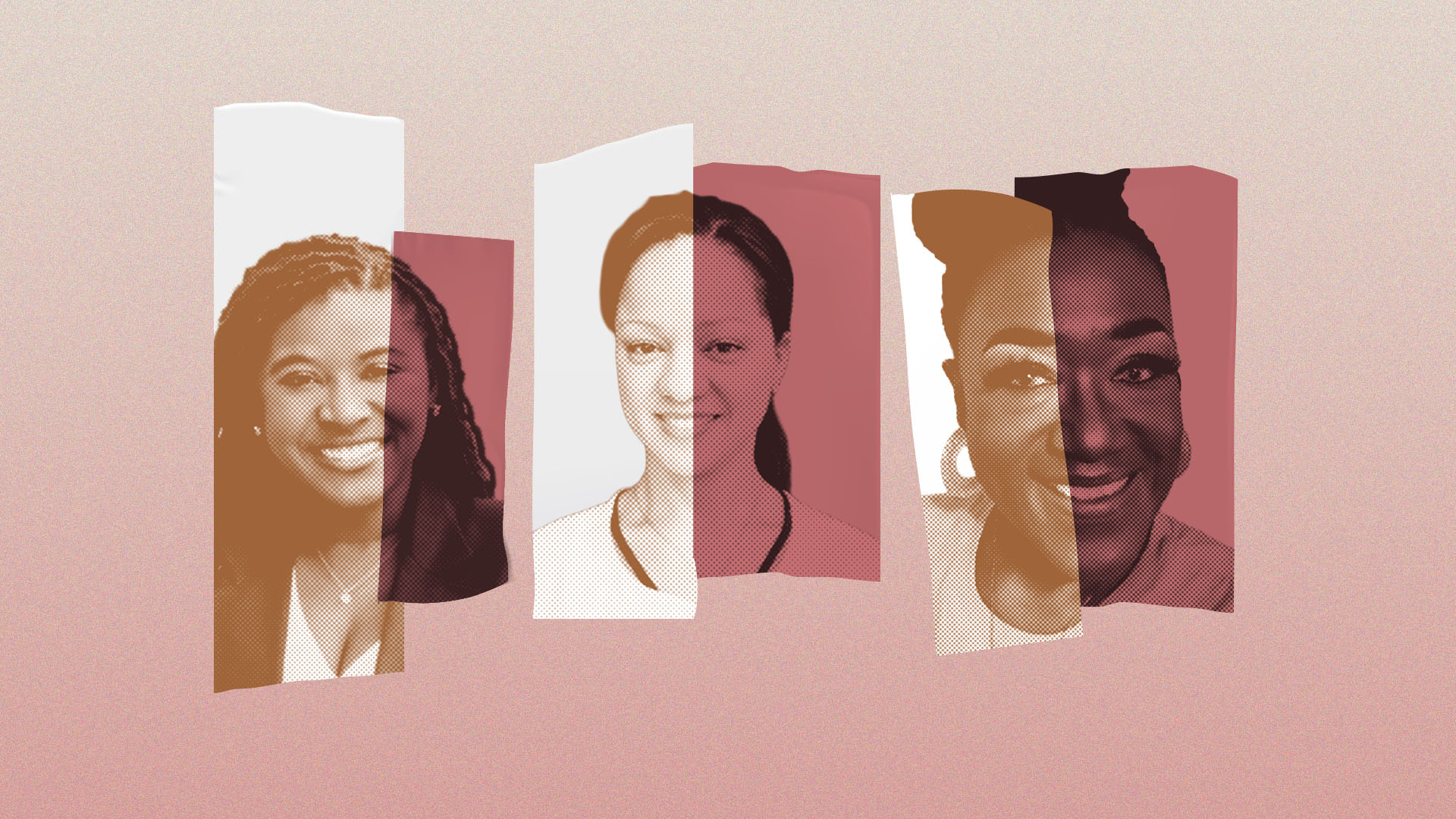
The shocking tragedy is the most deadly of recent reported cases of gun violence targeting Black women. From coast to coast, there’s an unprecedented rise of Black women fatally shot by men they loved.
Let’s call it what it is: femicide—the intentional killing of women or girls at the hands of men who are often intimate partners.
This is Not a Coincidence. This is a Crisis.
Men killing Black women is one of the single most urgent issues menacing Black America today. Between 2011 and 2024, the number of Black women killed by men with a firearm increased by nearly 30 percent, according to the Violence Policy Center.
Black women are 14 percent of the U.S. population, yet make up over 30 percent of women killed by men. Ninety percent of Black women knew their killer, and in most cases, Black women are killed by Black men. Nearly 80 percent of these murders involve gun violence.
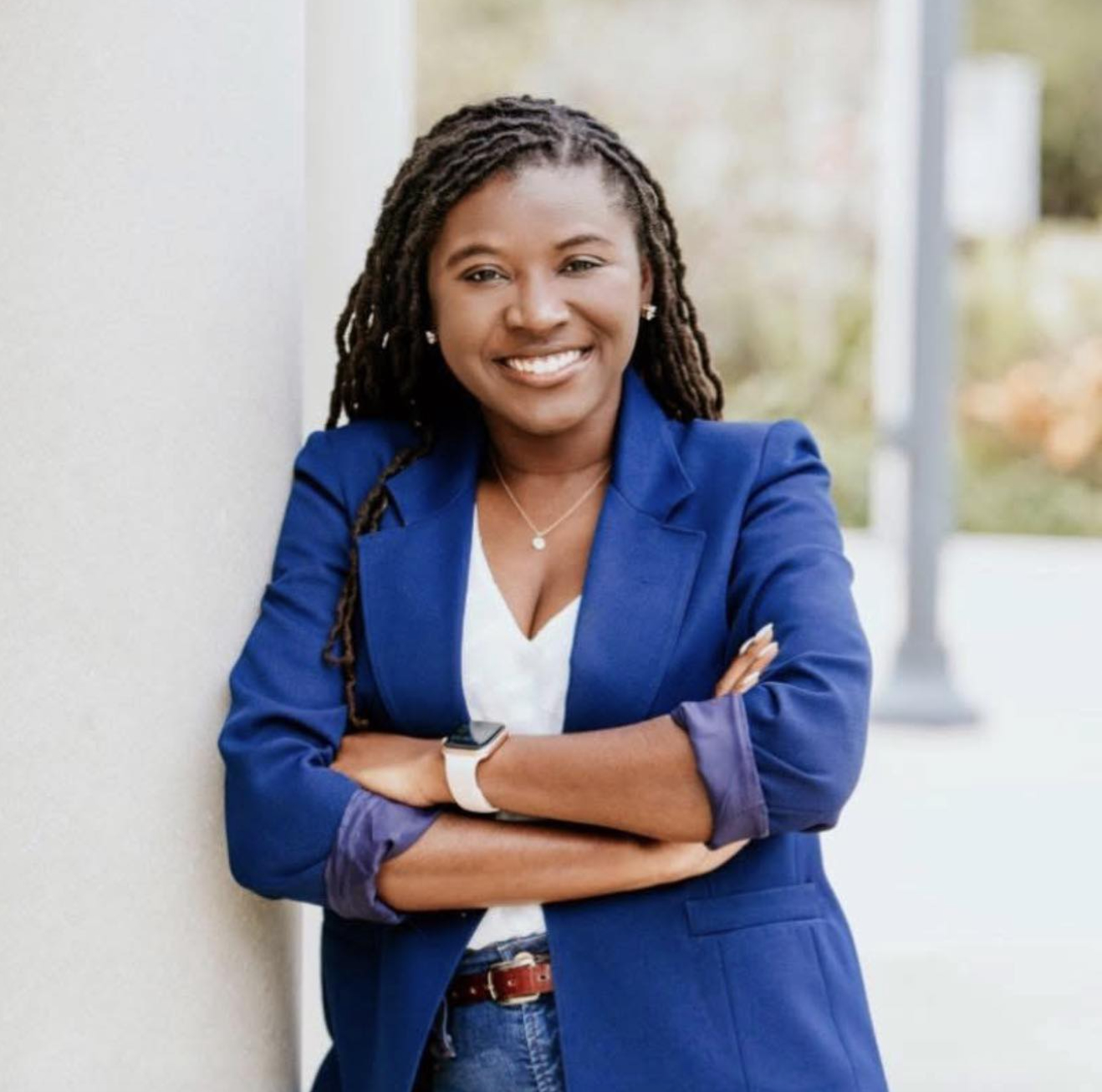

This month alone there’s been an alarming number of female victims. On April 1, Florida police found Coral Springs’ Vice Mayor Nancy Metayer Bowen, 38, dead after a welfare check to the home she shared with husband Stephen Bowen. Metayer Bowen was discovered on the couple’s bed, wrapped in blankets and garbage bags, with three gunshots fired into her body. Bowen sits in a Broward County jail awaiting trial. He has been charged with premeditated murder.
In Virginia, a Fairfax County judge ordered the state’s former Lt. Governor Justin Fairfax out of his family home by the end of April. Fairfax received the order ahead of a divorce filed by his wife, Dr. Cerina Fairfax, in summer 2025. Weeks later, the former politician shot Dr. Fairfax multiple times in the basement of their D.C. suburban home, ruthlessly snatching away the dentist’s life. He took his own life in the former couple’s bedroom, orphaning their two teenage children.
Pastor Tammy McCollum, 58, recited the opening line of Psalm 34 on Easter Sunday at the Well Worship Center in Statesville, North Carolina. The next evening, the pastor was shot and killed by her husband, Eddie McCollum, 61. He frantically called 911 himself, confessing to fatally shooting the pastor during an argument. “I killed my wife,” the husband told the dispatcher. “I’m done.”
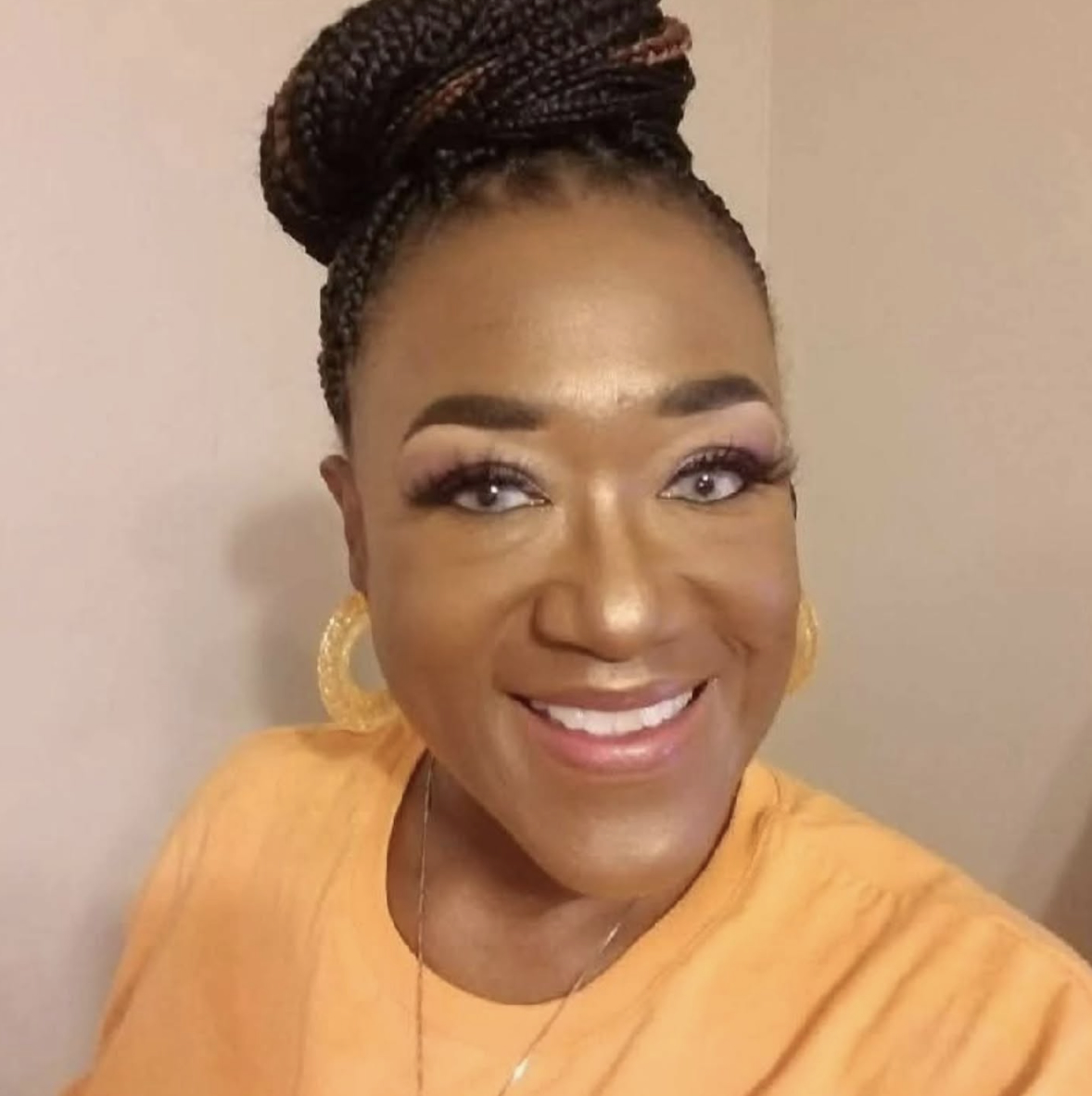
While not a confirmed case of femicide, suspicion swells around the death of influencer Ashly Robinson.
Early this month, the model, known on social platforms as Ashlee Jenae, traveled to Zanzibar for her 31st birthday with her boyfriend, Joe McCann. Days after the content creator shared photos of McCann’s elaborate marriage proposal with her followers on Instagram and TikTok, local police reported Robinson was found unconscious in her hotel room after the couple had an acrimonious argument. Zanzibar police reported Robinson took her life. But Robinson’s family and scores of voices from Threads to TikTok aren’t buying it.
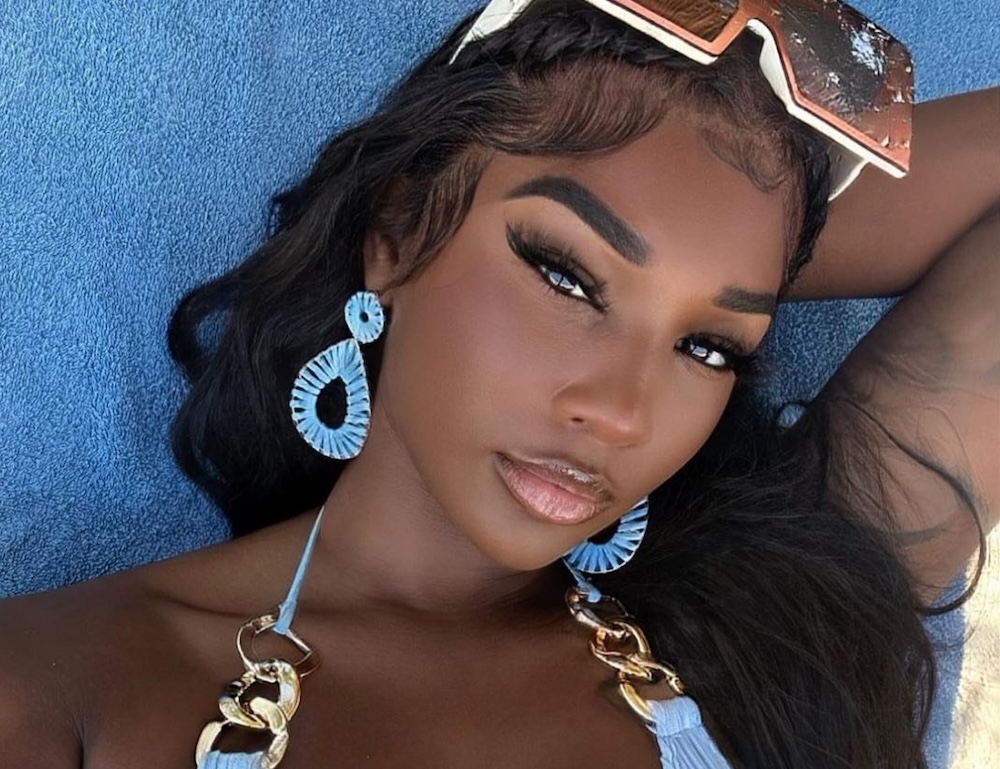
“Nothing about this loss feels real,” a statement by the Robinson family read. “One moment, she was celebrating love and life in truly Ashly fashion, and the next, she was gone.” Zanzibar authorities seized McCann’s passport and are holding him for questioning. But not as a suspect, as a witness.
Black Men’s Protection & Deflection
Commentators and social media users are expressing outrage at tone-deaf and poorly timed RIP posts eulogizing Fairfax’s political memory, instead of condemning his unconscionably murderous behavior.
Discourse centering Fairfax’s potential mental health challenges—which are speculative and not confirmed—as a deflective reflex is comparable to how mass media treat perpetrators of mass school shootings. The focus on the shooter’s mental health, instead of the impact on victims and their families, reflect the privileged position of young white men and the practice to protect them. After all, it’s largely white people who must end racial bias. And surely, it will take Black men to end femicide.
The fixation on who Black women loved, instead of how they died, is another social media phenom of deliberate deflection. The rhetoric, primarily from Black men, posthumously trolls Ashly Robinson for being in a romantic relationship with a white man. “So a white man dated her killed her but you want Black men to care” one user wrote on Threads, mirroring an avalanche of bot-driven, face-less posts around Robinson’s untimely death.
These are grossly misleading takes, not informed by data around femicide, and largely ignore the overwhelming majority of Black women who are race-loyal to Black men.
“What we do know is that Black women are most often harmed by someone they know, typically an intimate partner,” says Karma Cottman, founder of Ujima, The National Center on Violence Against Women in the Black Community. “There is a very real tension between protecting Black people from harmful systems and naming harm happening within our own communities.”
More Women, More Tragedies
In recent cases unreported by major news outlets, at least three additional Black women were tragically shot and killed by men they loved.
Qualeshia “Saditty” Barnes, a pregnant 36-year-old, Detroit-born rapper and mother of five, was fatally shot early April in Atlanta. Family members say she was killed by the father of her unborn child, who reportedly did not want her to continue the pregnancy.
On April 13, Victoria Alexander, a 38-year-old nurse and mother of two, was fatally shot in what authorities described as a premeditated attack by her estranged husband at her workplace in New Jersey. Like Fairfax, he later died by suicide.
Femicide is not limited to intimate partner violence. Assailants can be close male relatives.
On April 15, Barbara Deer, a 51-year-old widow of Cook County Commissioner Dennis Deer, was found fatally shot in her Chicago home. Authorities say her son was responsible in what has been reported as a murder-suicide.
How to Safely Intervene
Femicide not only impacts potential victims, the crisis significantly effects people around potential victims, who often lack guidance on how to offer support. As evidenced by the tragedy in Shreveport, women in community with potential victims can also be exposed to harm.
To intervene effectively, experts recommend supporters shift from fixing to empowering. Research from the National Domestic Violence Hotline confirms that given domestic abuse is centered on power and control, the most helpful response is one that restores autonomy.
Effective intervention begins with non-judgmental validation and “I” statements to dismantle isolation, as in, “I believe you’re not safe.” The National Resource Center on Domestic Violence identifies empathetic listening as a survivor’s primary lifeline. According to the center’s research, supporters must prioritize quiet safety planning, securing documents and establishing code words, over pressuring potential victims for a quick exit.
“One of the most dangerous times is when a woman is trying to leave the relationship,” says Cottman of Ujima. Intervening on potential victims should be paired with low-profile, tangible support, such as babysitting or holding emergency cash, to ensure a safe path to resources if and when they’re ready.
There are early, identifiable signs, which Cottman outlines: “Pay attention to patterns of control. Look out for isolation, extreme jealousy, monitoring, financial control, intimidation, and threats.”
She says negative experiences on victims and the larger community can have a chilling effect when reporting. “These combined issues often lead to silence and underreporting,” she adds.
If you’re experiencing domestic violence, you are not alone. Call 1-844-77-UJIMA now.
Geneva S. Thomas is a media executive, culture critic, and author of the forthcoming book “Supervillain,” the history of Black women in American reality television and newsletter “Inside the Culture.“