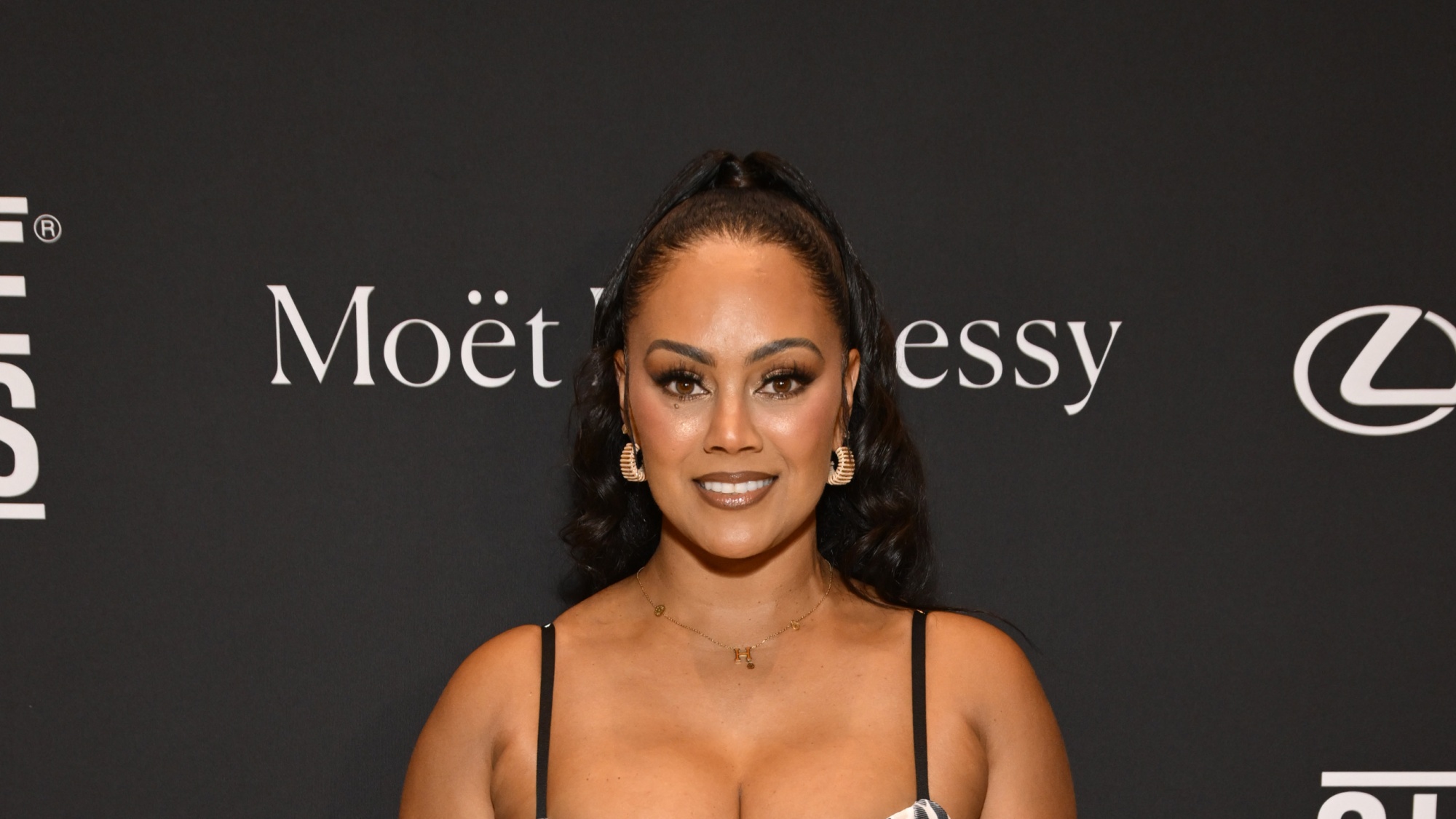
If you’re chronically online like me, you’ve likely seen the recent conversations surrounding Dr. Cheyenne Bryant’s credentials. While much of the online discourse focused specifically on Bryant, the debate sparked a larger conversation across social media, in particular Black Twitter: Do mental health credentials actually matter?
As the Black community continues to have conversations about mental health, more people are beginning to question who is qualified to give mental health advice, whether it’s appropriate to seek support from unlicensed professionals, and what truly separates a licensed mental health professional from a life coach.
According to data shared by the Association of Black Psychologists, only 4% of psychologists, 2% of psychiatrists, 22% of social workers, 7% of marriage and family counselors, and 11% of professional counselors in the United States are Black. With Black mental health professionals still remaining underrepresented, this conversation is important because it helps people better understand the importance of licensure as well as the difference between the type of professional they’ll receive treatment from.
For some, relatability and lived experience are just as valuable as formal education. But for others, education, licensure, and certifications matter deeply when discussing trauma, relationships, and mental health concerns. And with the viral debate motivating people to learn more, it’s important to keep Black Americans informed so they don’t shy away from therapy overall.
What Is a Licensed Mental Health Professional?
Before deciding who to trust for mental health advice, it’s first important to understand what licensure actually means. A licensed mental health professional is someone who has completed state-required education, supervised clinical training, and licensing exams that allow them to independently assess, diagnose, and treat mental health issues. These professionals can include Licensed Clinical Social Workers (LCSW), therapists, psychologists, and psychiatrists.
While many of these roles overlap, each requires different levels of education, clinical hours, training, and state certification. For example, a licensed clinical social worker typically earns a master’s degree in social work (MSW), completes supervised clinical training hours, and passes a state licensing exam before being able to provide therapy services.
Psychologists also undergo extensive clinical training and often focus on assessment, diagnosis, and therapy, while psychiatrists are medical doctors who can diagnose mental health conditions and prescribe medication. Life coaches, on the other hand, are not licensed mental health professionals. Instead of diagnosing or treating mental health conditions, coaches typically focus on personal development, accountability, motivation and goal-setting. While many people find coaching helpful, it’s important to understand that coaching and therapy serve different purposes.
Why Mental Health Credentials Matter in Mental Health Conversations
Jordan A. Madison, a licensed clinical marriage and family therapist and founder of Therapy is My JAM, told EBONY that credentials matter—licensed mental health professionals go through years of education, supervised clinical training, and licensing requirements before treating clients.
“Licensed therapists, whether a licensed marriage and family therapist like myself, a licensed social worker, licensed clinical professional counselor, or even a licensed art therapist, all have state boards, rules and regulations and background checks that must be adhered to,” Madison said. “We also complete continuing education credits every two years in order to keep our license valid.”
Madison added on to share that therapists, coaches, and influencers serve very different roles. “Coaches focus more on future goals and behaviors to help you reach a goal, and influencers are typically speaking from their lived experience.” She stated that while influencers can help people feel seen through shared experiences, personal stories should not be confused with professional mental health guidance. “You can hear an influencer share their experiences and decide if you want to try something for yourself, but that doesn’t mean it’s solid mental health advice, because what worked for them may not be a good fit for you,” Madison emphasized.
What To Look for Before Taking Mental Health Advice
Because there are plenty of people online who may provide mental health advice, whether they’re advocates, influencers, or licensed professionals, it’s important to be mindful before taking their advice.
When seeking a professional, Madison recommends reviewing a person’s credentials, website, testimonials, and overall experience before accepting their advice. “When taking mental health advice from anyone, you have to pause and consider if it actually works for you and your lifestyle,” Madison mentions. She also notes that you have to consider where they get their information from.
What Black People Should Keep In Mind When Receiving Treatment
Taking ownership of your mental health is a huge step, and one that many people should be proud of. As more Black people attend therapy, there are a few things they should keep in mind when seeking treatment. For starters, knowing your ‘why’ is essential. Whether it’s why you’re seeking treatment or why you’re seeking a life coach over a therapist.
Madison also believes clients should know what kind of support they need. “People should think about what kind of support they’re looking for.“ Are you seeking accountability, advice, understanding of patterns, or healing from trauma? Each of those can be given in different ways.”
Ultimately, no matter the kind of support you’re looking for, understanding who you’re receiving guidance from matters. While life coaches may offer motivation, relatability and accountability, licensed mental health professionals are trained to assess, diagnose, and treat mental health conditions, which is why it’s important to know the difference before beginning your mental health journey.