
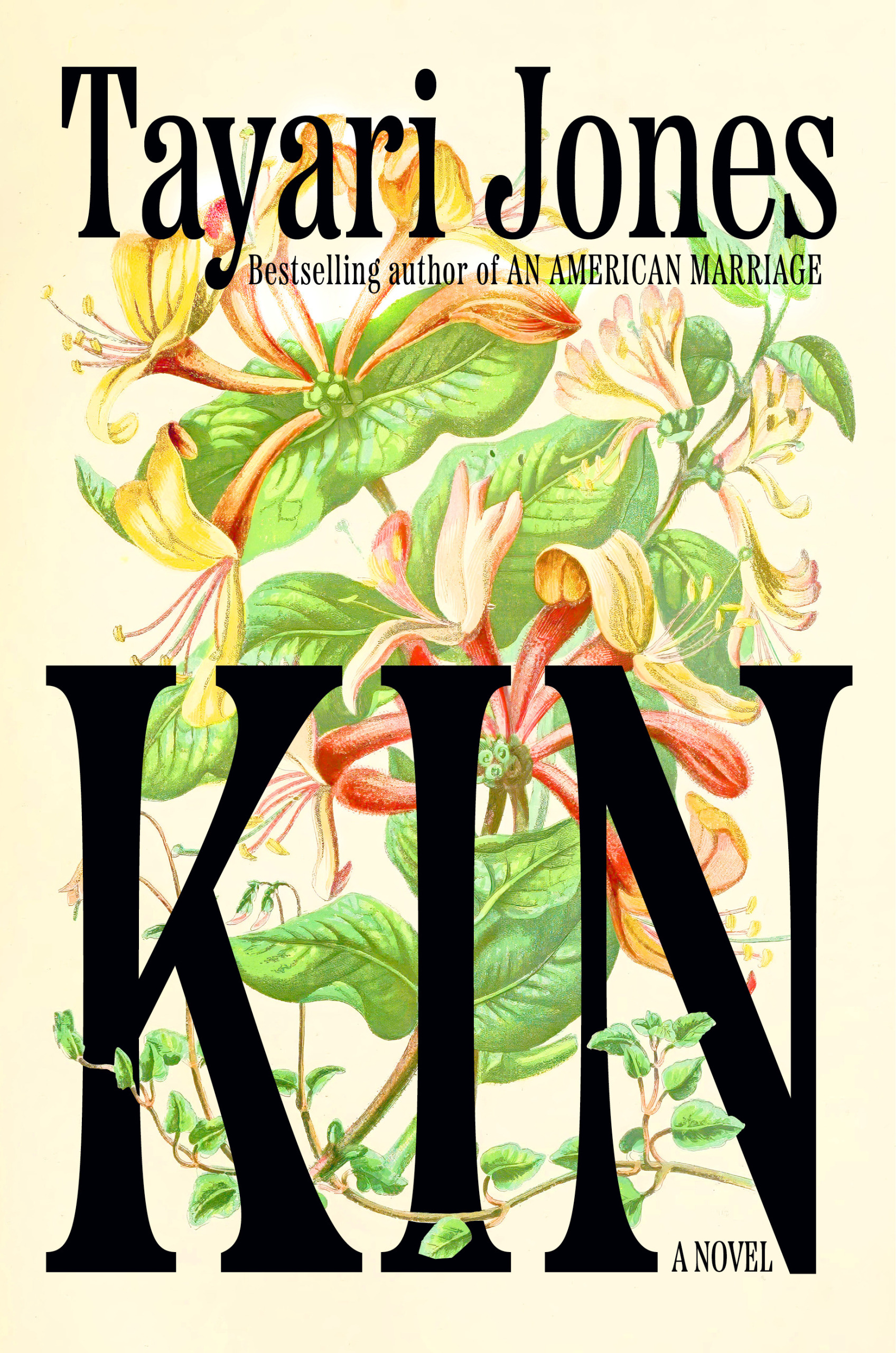
There’s something uncomfortable about how Kin, Tayari Jones’ latest novel, confronts the absence of motherhood. As a daughter who has experienced maternal abandonment without explanation or closure, that ache never leaves you. In Kin, Annie and Vernice share the burden of being motherless, but they approach it in decidedly different ways.
Abandoned before she could form memories, Annie is fixated on locating her mother, who’s been in the wind all her life. On the flip side, Vernice, affectionately known as Niecy, did not have the opportunity to make her mother’s acquaintance, as her mother died when Niecy was a newborn.
Annie’s fixation on finding her mother, Hattie Lee, consumes her. Grief dominated every aspect of her life, leaving little room for anyone else. As for Niecy, her yearning for motherly love took on the form of receptiveness. She allowed her village to lovingly guide her.
“There are no truly motherless children in our community, because we take care of one another,” Jones told EBONY as we discussed the book.
The common value of community-bred children is a testament to many of our own upbringings. But in truth, neither Annie nor Niecy was ever truly satisfied with the mothering they received; they just presented differently. What nourished them most was the friendship they forged in the cradle.
The concept of chosen family is ever-present in these pages. Sisterhood, in the biological sense, isn’t the basis of Annie and Niecy’s relationship: it’s friendship. Their lack of blood relation couldn’t have made them any closer, emotionally. Both accepted the relationship for what it was, without overthinking or complicating it. Instead, they fully leaned into appreciating each other.
“Long-term friends are the keepers of the archive of your heart. This book is a novel of both appreciation and of grief,” Jones shared.
Kin wasn’t the story Jones initially sought to write, but she explores motherhood, friendship, community, and society with intimacy through a lens of yearning and learning, allowing those complexities to unfold naturally.
Thorough in reflecting on what could happen when you reject satisfaction and hoard grief, Annie has lost time and relationships trying to fill the void her mother left. Niecy lost the ability to live for herself. The core of what I needed most from the story was time. But time is a friend to no one, and its ferocity wasn’t diluted for the sake of Annie, Niecy, or the reader.
With its many layers to unpack, Kin is the most challenging read I’ve experienced in a very long time, probably since reading Toni Morrison’s novel Sula. What’s most compelling is the desire for Annie and Niecy to find a way to let their mothers go.
Even after finishing Kin, my heart aches for these motherless girls. In the same breath, I understood the larger lesson at play: family, kin, is what and who you make of it. It’s as simple — and complex — as that.