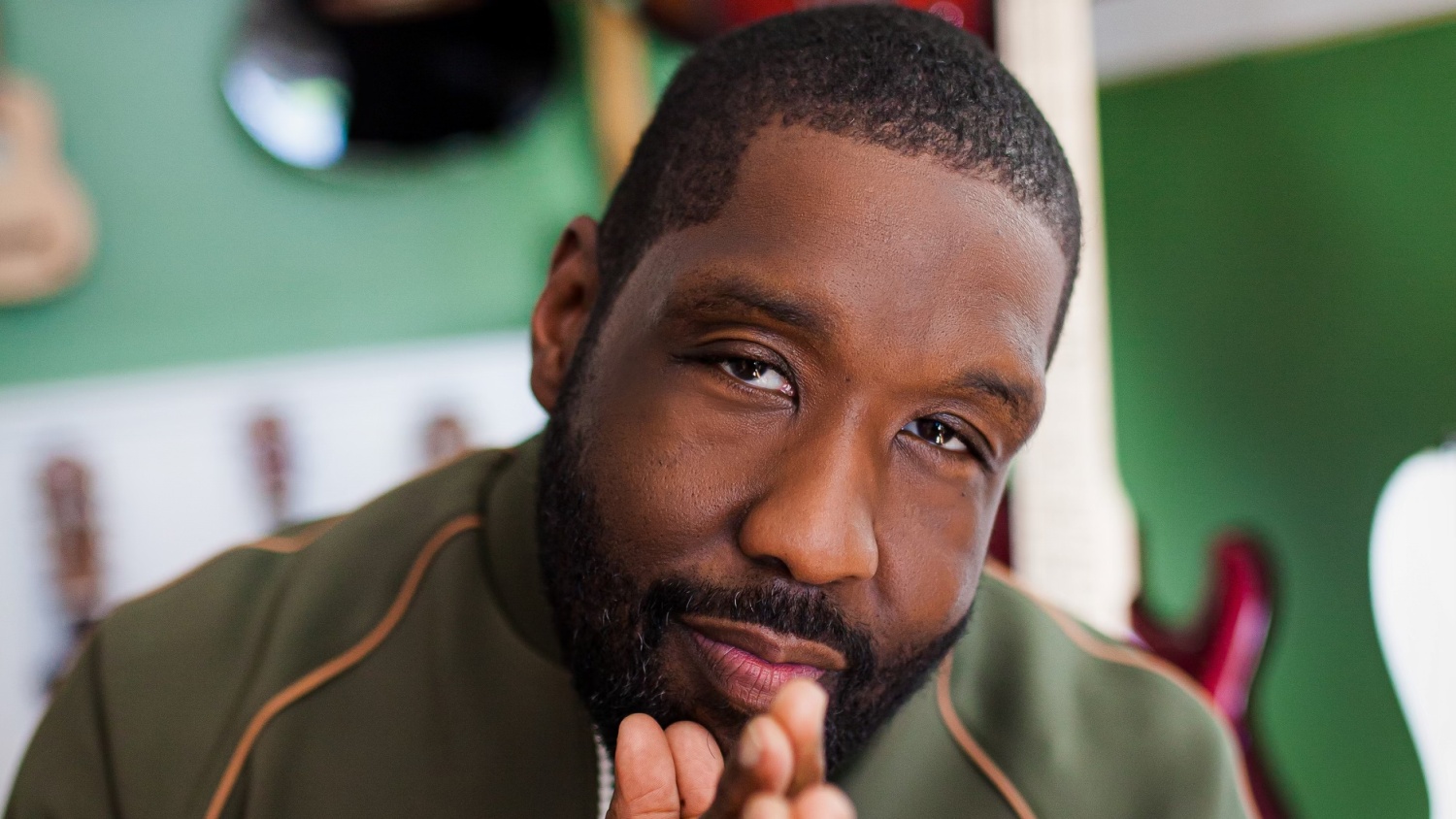
For more than two decades, Adam Blackstone has been one of the most trusted musical architects in entertainment. As a bassist, producer, and musical director, he has helped shape some of the most memorable live performances in modern music, working alongside icons such as Rihanna, Eminem, Justin Timberlake, and Jay-Z.
Most recently, Blackstone served as co-musical director with longtime friend Ahmir “Questlove” Thompson for Jay-Z’s highly anticipated return to the stage at The Roots Picnic 2026. The performance marked another milestone in a career defined by excellence, preparation, and an unwavering commitment to the craft.
“It’s gratifying to know that all the hard work we put in came to fruition,” Blackstone said of the historic set. “He rehearsed his butt off. We rehearsed our butts off. He was striving for excellence.”
The moment also represented a full-circle reunion. Blackstone first worked with Jay-Z as part of the legendary Fade to Black concert at Madison Square Garden in 2003. More than two decades later, the pair reunited once again, delivering a performance that reminded audiences why both men remain at the top of their respective games.
In conversation with EBONY, Blackstone reflects on his enduring partnership with Jay-Z, the making of The Roots Picnic performance, and the discipline required to remain one of the most respected musical directors in the business.
EBONY: You just came off the stage alongside Jay. What was going on in your mind at that moment? And what did it mean to be a part of a performance that felt bigger than a concert and more like a celebration of Black musical legacy?
Adam Blackstone: I like how you spent that legacy thing, brother. That’s what I preach with my debut album, which is entitled Legacy. We got a couple of Grammy nominations as well in the Jazz space, and you know, it’s all about legacy for my children. I’m sure for Jay’s children, and I’m sure for all of us who want to continue to carry this moniker of Black excellence. It felt incredible, man. I’ve been wanting to talk about a specific thing for a little while now. I’m giving you a little exclusive. I’ve been in the business for approximately 23 years, and my first big gig after moving to Philadelphia was the Fade To Black concert at Madison Square Garden with The Roots. Jay-Z’s retirement farewell show, [laughs].
You were 21 at the time, right?
I was 21 years old at the time, brother. At the time, it felt to me like the biggest thing that I could ever do. You feel what I’m saying: like this is it. Grand opening. Grand closing. 21 years old, and it’s a wrap. Little did I know what God had in store for me with Grammys, Emmys, and NAACP Image Awards later, and to be full circle back with my brothers The Roots and sharing the stage with arguably my favorite artist: Jay-Z. To know that he didn’t retire. I think the world of Hip-Hop and business in general is so thankful for that.
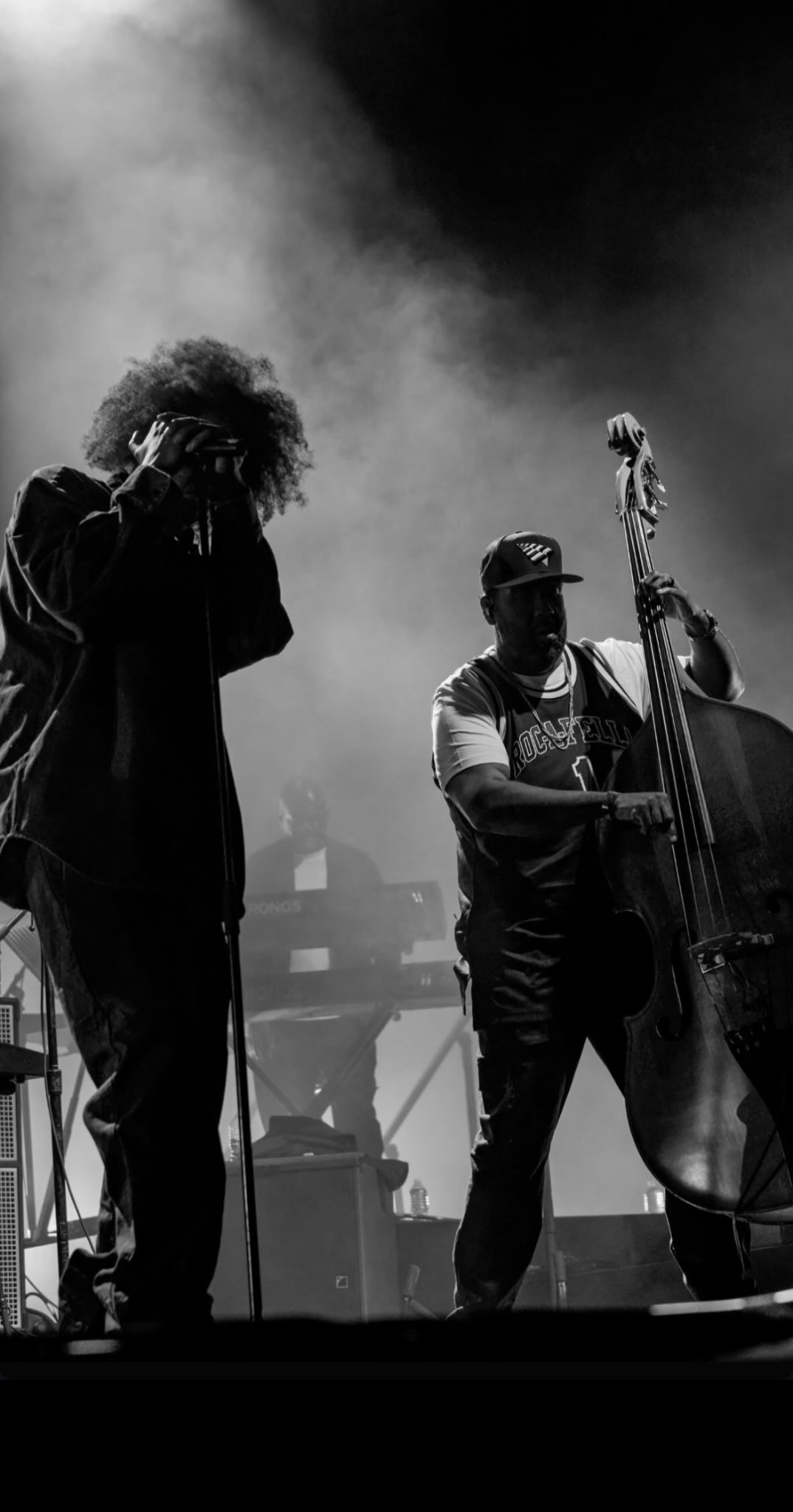
To know that I can still sing, dance and play some of the songs I played 23 years ago means so much to me. It was big for my city. It was big for me. Him embracing our 20-year musical friendship was on display. By having me next to him a bunch of different times. It was bigger than Hip-Hop man. It was bigger than Philly. It was bigger than any personal relationship that I have with him, Questlove and my brothers. It was really for the culture. It was to show that brotherhood exists. It was to show that music has the power to heal. And music has the power to transcend generations. I am 44 years old, and my little cousin is out there at 24. We had the same excitement level.
I was out there too. It was phenomenal.
Ah, c’mon, man, you felt that energy, bro. You know what it was.
Yeah, it was totally insane. I can only imagine how it felt being at the helm of everything.
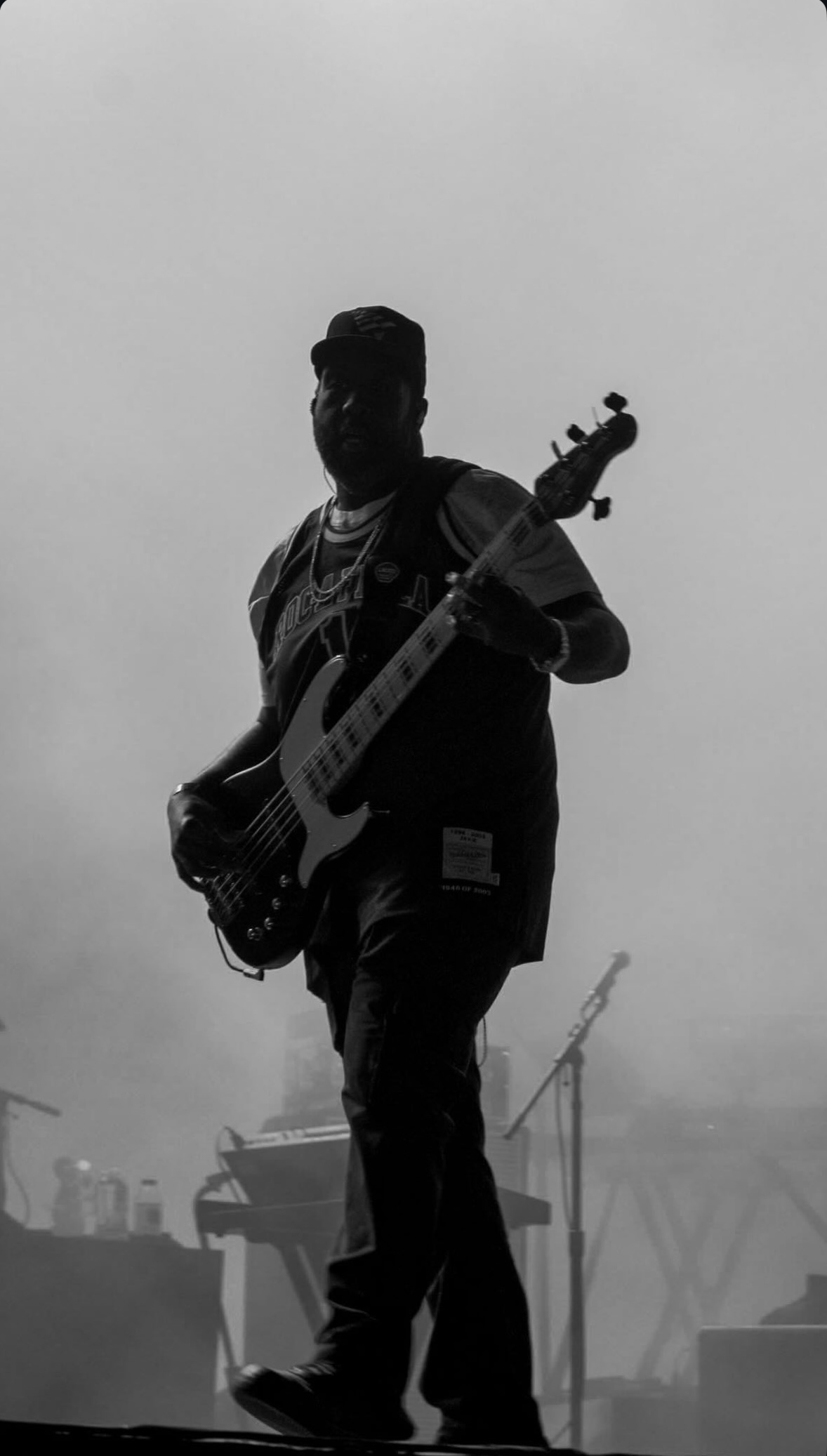
As a performer on that stage with him, it felt gratifying to know that all the hard work we had done for the last four weeks came into fruition. He rehearsed his butt off. I rehearsed my butt off. The band rehearsed our butts off. He was striving for excellence. He wanted to make sure he displayed his excellence, we all know that he has, and he put the work in. I cannot be upset at any artist that demands greatness, but that also puts their own work in, and he’s one of those guys for sure.
Going from The Roots Picnic, it’s evolved from a hometown festival into a major cultural institution. As someone who’s helped shape the sound of some of the biggest stages in music, what do you think makes The Roots Picnic unique?
What makes The Roots Picnic unique is that it is all genres there. Yes, it’s Black excellence and for the culture, but especially in today’s day and age. We all have different tastes. I’m doing Hip-Hop, R&B, and Gospel on one stage. The next day, I did my own set. I had Yolanda Adams, Chante Moore, and Andra Day. As Black people, The Roots Picnic [showcases] excellence across all genres and forms, elevated and originated by us as a people. That’s what makes The Roots Picnic different.
The crowd’s reaction to Jay-Z was electric. From your vantage point, what does a moment like that reveal about the enduring connection between Hip-Hop artists and communities that help build the culture?
Well, first, I wanna be very clear that I was grateful to be the co-musical director with Questlove and to curate this set with Young Guru, Jay’s DJ and long-term collaborator, and Omar Edwards, Jay’s long-time keyboard player and Philadelphia legend. Music is timeless, and Jay might have been the oldest person at the festival. But that number of age has nothing to do with what he’s given us as a people. Now that age does have an impact on him, giving us The Blueprint, no pun intended, but the Blueprint of life. You know what I’m saying. I think that hearing that crowd reaction lets us know that people are still engaged in his storytelling. People are still engaged in the process. People are still engaged in his evolution as a businessman, father and son. I think people are still engaged in what that man has to say, and they want to hear what he has to say. That lets us know the jig ain’t up.
On that note, I’ve gotta ask you. How’d you feel about the freestyle? I feel like that took everyone aback. Did you know, being the co-musical director, that that was going to be a thing?
That was the first time we heard that. I don’t mind saying it. I don’t mind exclaiming it. Yeah, we never heard. So listen, we did that private show the night before.
At the Fillmore?
Yeah, at the Fillmore. We ain’t hear none of that bro, [laughs]. One of the things that he reminded us of with that freestyle is that he can really rap. He is a really good storyteller. He don’t gotta say nobody’s name. I think about his GQ interview when was talking about how battle rap gets a little personal. He was able to kind of concisely battle rap without even mentioning people. We have all heard “Say Drake, I heard you like em’ young.” Drake calling out people’s names or K.Dot calling out people’s names. He was able to show us #1: I’m lyrical, #2: I’m a storyteller. #3: Imma let y’all decipher what these words mean. It caught me off guard. It caught the whole stage off guard. That also shows the level of artistry and the masterful technique he has. That was in a show where we practiced and rehearsed for four weeks. He’s able to take liberties and risks, put it all out there, and have his rap remembered as rap, as Hip-Hop, as culture, and remind us of why we fell in love with Hip-Hop.
You’ve worked with artists across generations, from legends to emerging talent. How do you balance honoring an artist’s catalog while still creating something that feels fresh and alive for today’s audience?
I think one of the things we do is we try to create a setlist and a playlist that feels different for people than anything they’ve heard before. It’s not anything you can just put in your iTunes and just go, you know what I’m saying?
Where would you say this performance ranks out of all of your illustrious performances? You did the 777 tour with Rihanna. You were speaking about the Fade To Black show that you did at MSG. Of course, you did the Super Bowl. Where would you rank this in your top 5, and would you even include it?
Oh yeah, it’s definitely top five for me. I think from the cultural impact. I think the heightened visibility that we have now in 2026, and also being in my hometown between Jersey and Philly. There’s nothing that beats the feeling. I could have done the same show in Paris first. Or that same show in LA first, and it would not have been the same based on the impact and love that my city was able to produce for me for The Roots, and then, knowing it was successful, I’ve done a lot of great things, and to be a part of that moment and to have it etched out in history as “one of them ones.” I’m super grateful.
Then the next day, coming off the high of Jay-Z, I was able to do my own show for the 30th Anniversary of Waiting To Exhale. Having that legacy experience carry over has been dope, and Jay has been one of those people over the last 20 years who has supported all of our movements and music. So just to come off that Saturday night and to go and do my own set just even shows the camaraderie that we at Roots Picnic have for one another, so it was really great, man.