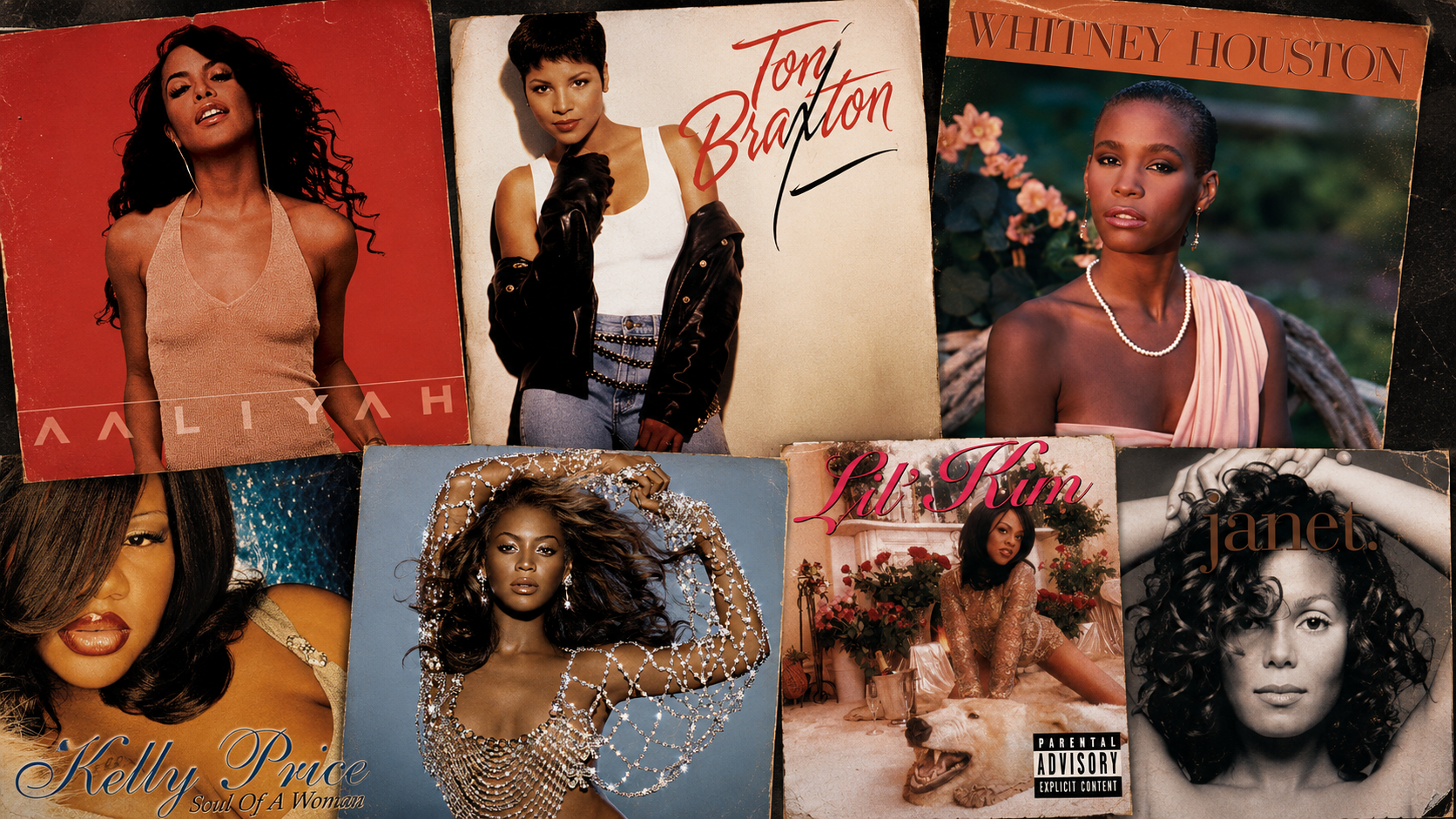
Before Instagram grids became mood boards and beauty tutorials started racking up millions of views, Black beauty inspiration lived somewhere else entirely: inside CD booklets, record stores and on album covers hanging proudly on bedroom walls.
Long before influencers were selling routines and algorithms were deciding what was trending, these images introduced Black audiences to new hairstyles, makeup techniques and expressions of glamour. They weren’t simply promotional photos designed to move records. They were cultural snapshots that documented how Black people saw themselves and how they wanted the world to see them.
From Toni Braxton’s game-changing pixie cut and Grace Jones’ architectural flat top to Mary J. Blige’s blonde braids and Beyoncé’s bronzed glow, the most iconic album covers helped shape Black beauty’s visual language. They inspired salon appointments, influenced makeup counters and sparked trends that would echo through fashion editorials, music videos and eventually social media feeds.
Whether it was a glossy lip, a sculptural haircut, airbrushed makeup or a bold beauty statement that challenged convention, these covers transcended their era. They didn’t just reflect Black beauty. They helped define it, becoming timeless symbols of innovation, confidence and self-expression that continue to resonate generations later.
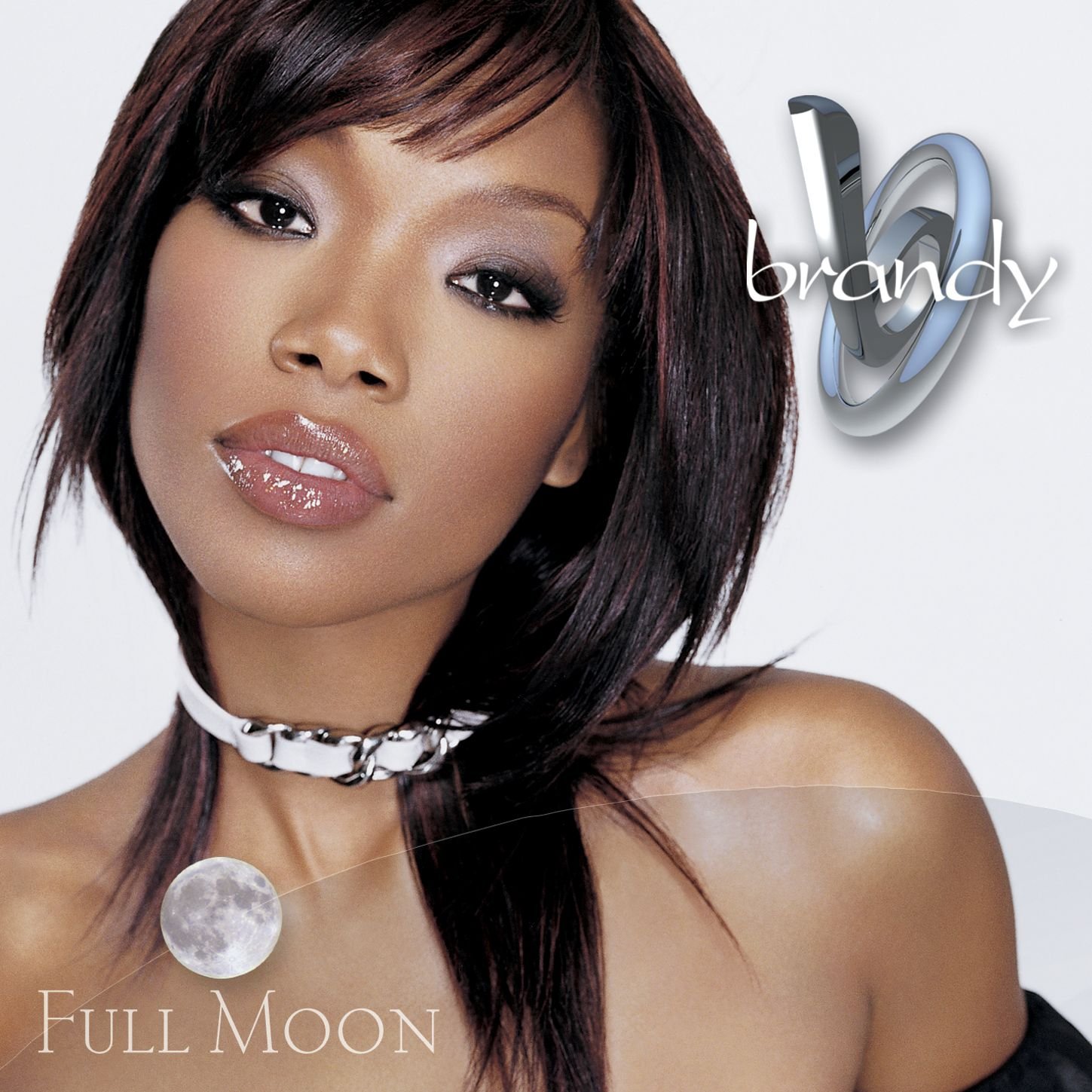
Brandy — Full Moon (2002)
The sleek bob, glossy lips and softly sculpted complexion embodied futuristic elegance. Brandy’s beauty evolution mirrored the increasingly polished direction R&B beauty was taking in the early 2000s.
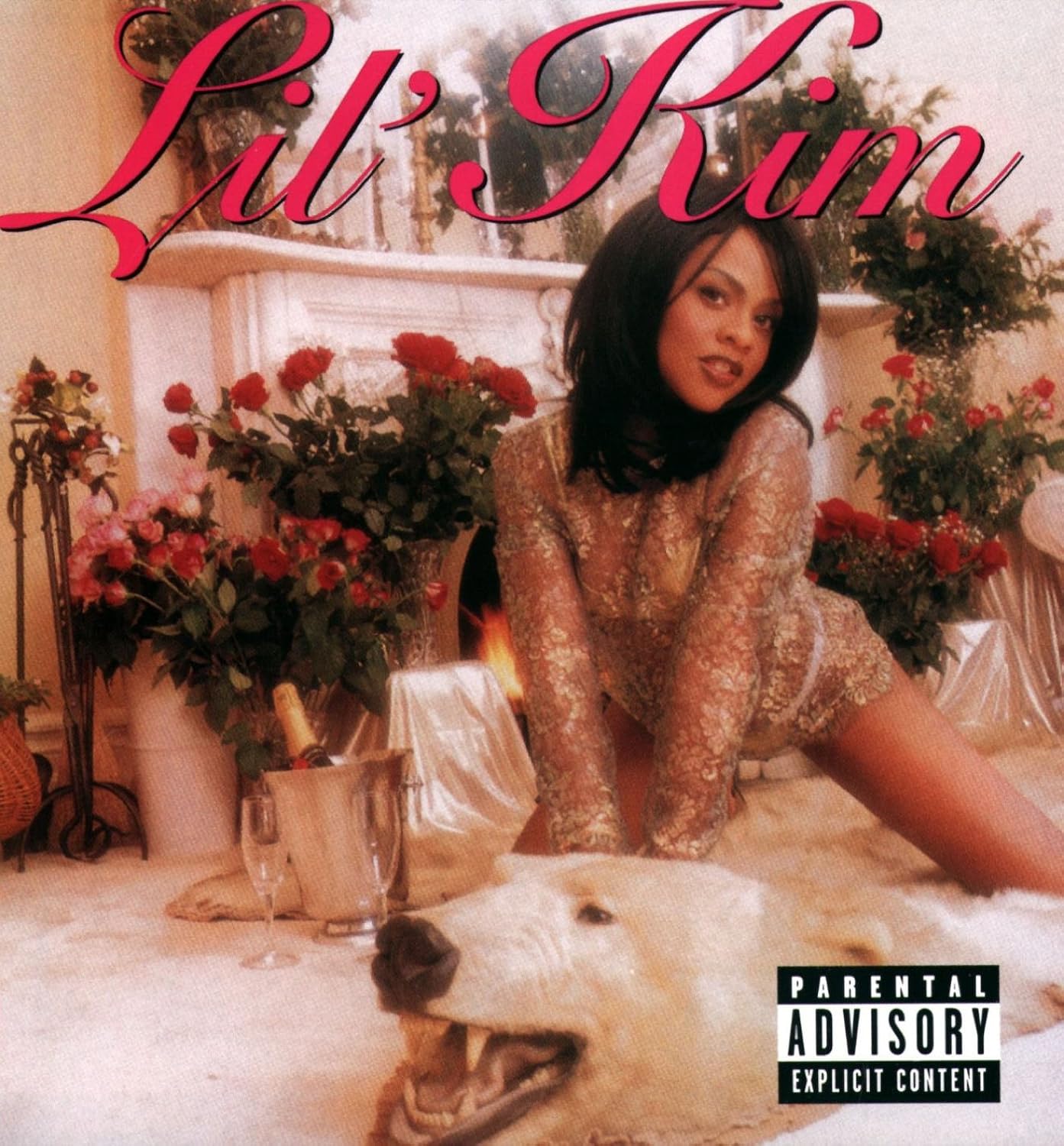
Lil’ Kim — Lil’ Kim (2000)
Few artists embraced beauty transformation as fearlessly as Lil’ Kim. This cover celebrated experimentation, from dramatic makeup to evolving hairstyles, helping normalize beauty as a form of self-expression rather than conformity.
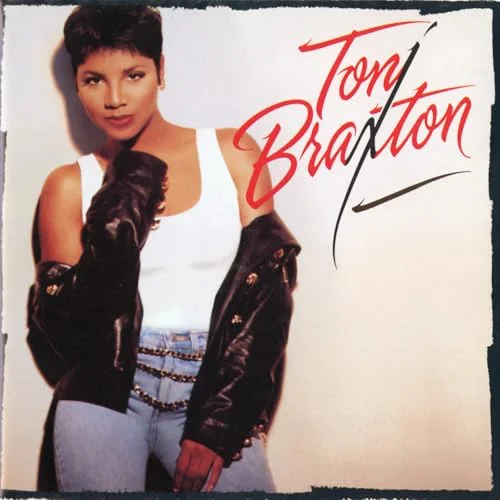
Toni Braxton — Toni Braxton (1993)
Toni Braxton’s debut cover made the pixie cut aspirational for an entire generation of Black women. Paired with a white tank, leather jacket and barely-there makeup, the look proved that femininity didn’t require long hair. The cover helped usher in an era where cropped cuts felt powerful, sexy and sophisticated.
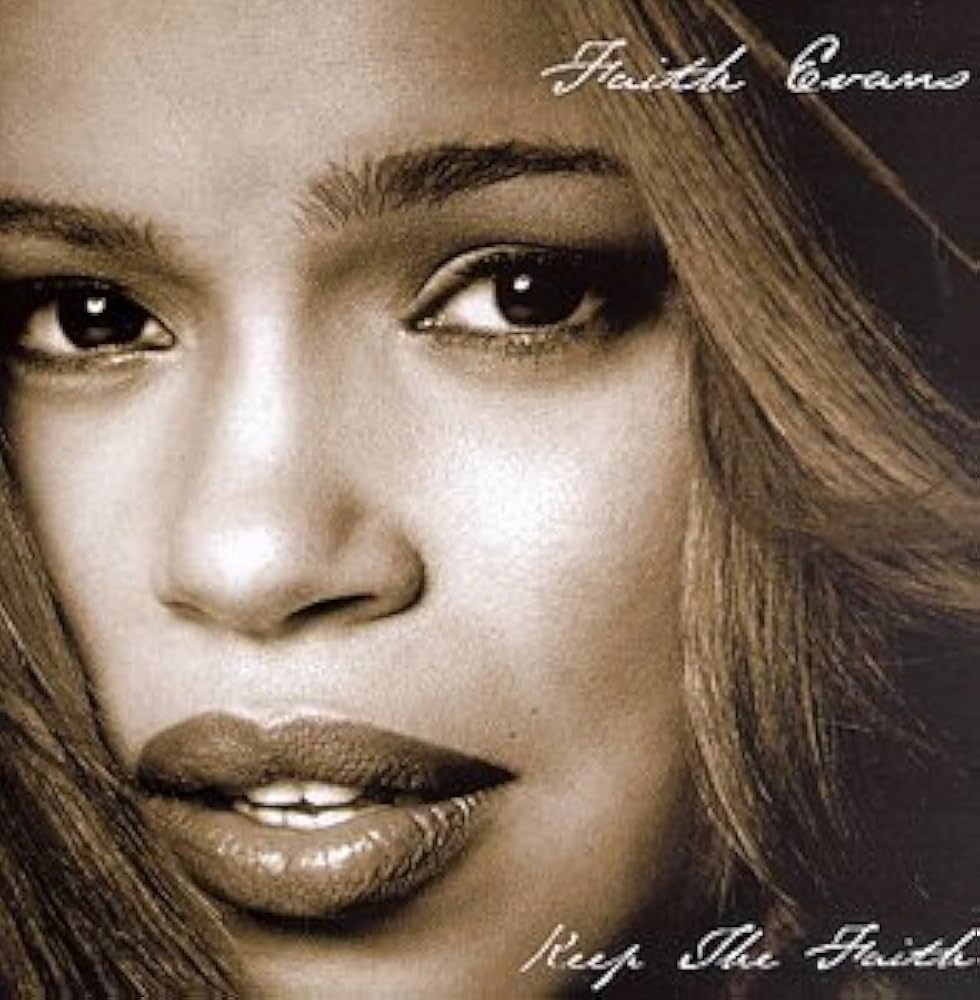
Faith Evans — Keep the Faith (1998)
Faith Evans’ close-up portrait helped cement glossy nude lips as one of the defining beauty signatures of late-’90s R&B. Her caramel-toned makeup, softly blended eyeshadow and luminous skin reflected a softer side of glamour that beauty counters would spend years trying to replicate.
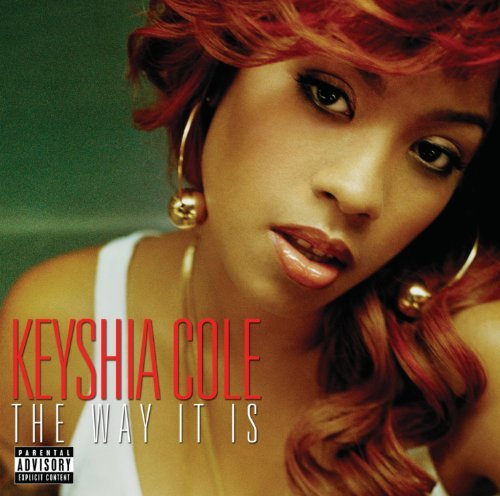
Keyshia Cole — The Way It Is (2005)
The fiery red hair on this cover became one of the defining beauty moments of mid-2000s R&B. At a time when honey blonde dominated the charts, Keyshia reminded audiences that bold color could feel vulnerable, glamorous and deeply personal all at once.
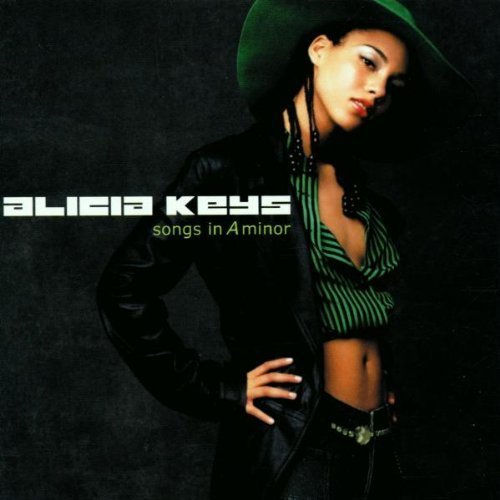
Alicia Keys — Songs in A Minor (2001)
Alicia Keys introduced a generation to beauty that felt intentionally understated. Minimal makeup, glowing skin and a signature hat shifted attention away from excess and toward authenticity. She helped make natural beauty aspirational during an era obsessed with glamour.
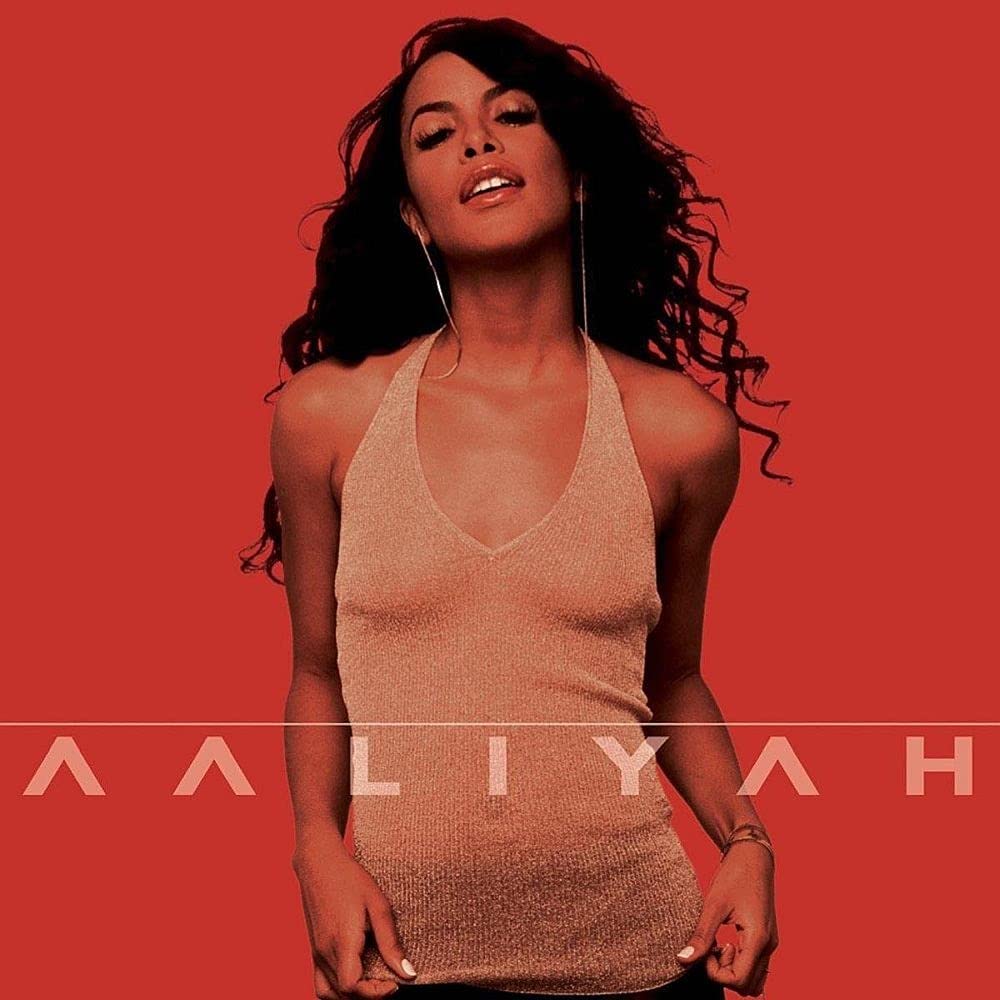
Aaliyah — Aaliyah (2001)
Few covers captured effortless glamour quite like this one. The soft waves, bronzed skin and barely-there lip color created a blueprint that beauty campaigns continue to reference decades later. It was sensual without trying too hard.
TLC — FanMail (1999)
The futuristic makeup, metallic finishes and digitally inspired styling felt years ahead of its time. Long before beauty brands embraced chrome pigments and cyber aesthetics, TLC was already imagining what Black beauty would look like in the future.
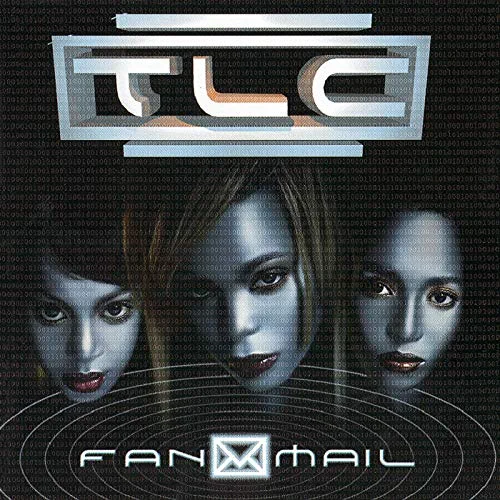
Whitney Houston — Whitney Houston (1985)
Whitney’s debut introduced polished elegance to a global audience. Her flawless complexion, subtle contouring and refined makeup helped establish the blueprint for sophisticated Black beauty in the mainstream pop space.
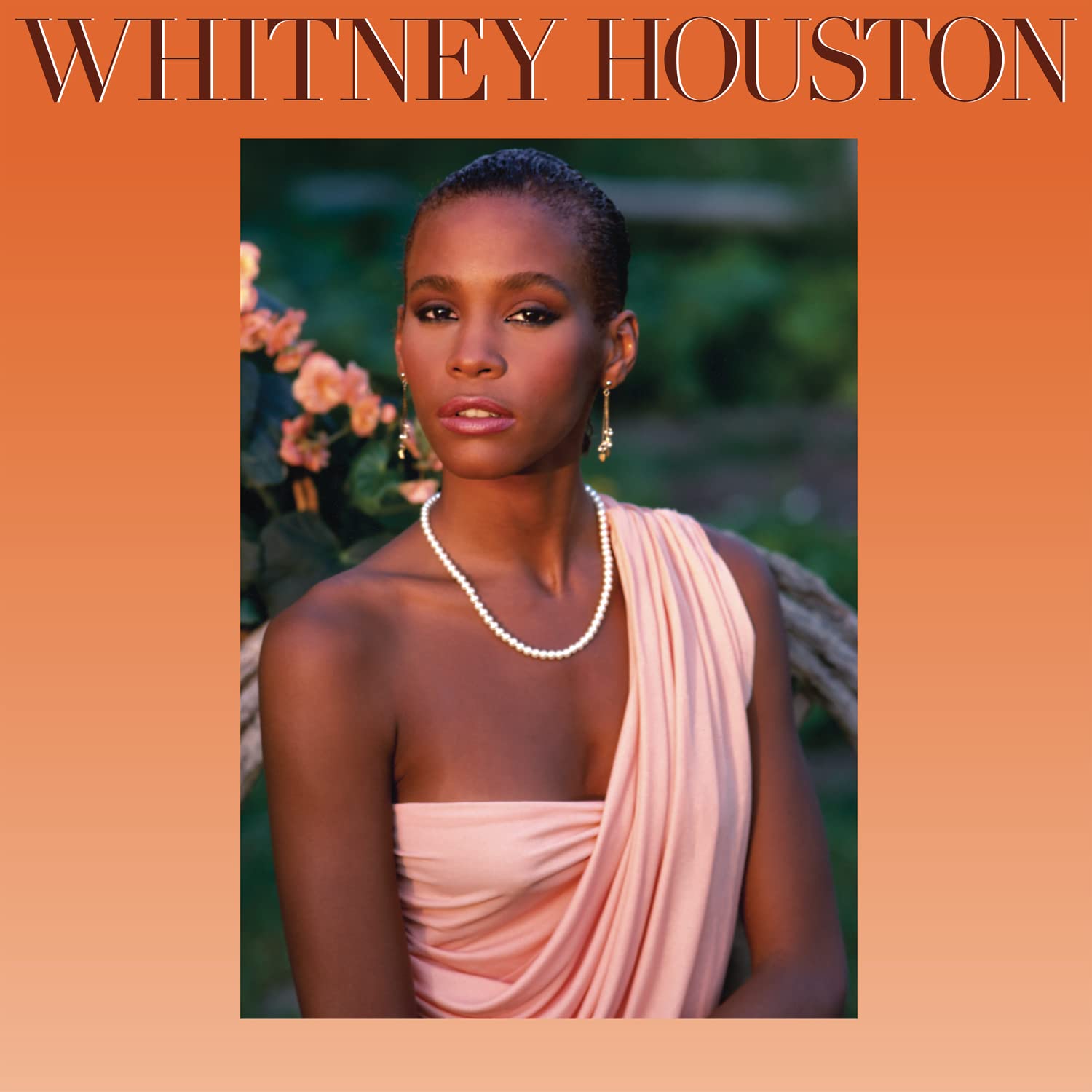
Kelly Price — Soul of a Woman (1998)
Kelly Price’s cover challenged narrow beauty standards by placing a fuller-figured Black woman front and center in a glamorous portrait. The rich lip color, luxurious hair and unapologetic confidence offered representation that was still far too rare.
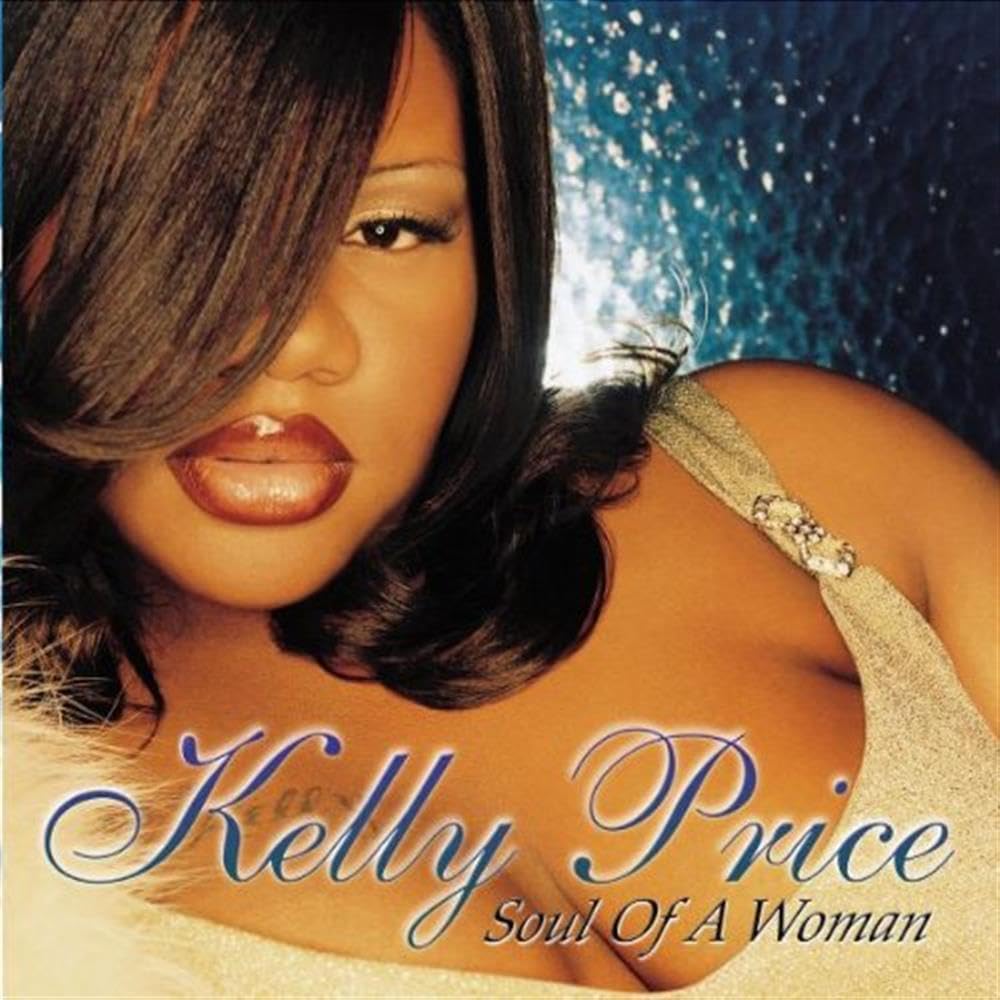
Grace Jones — Nightclubbing (1981)
This wasn’t simply an album cover. It was a fashion and beauty revolution. Grace Jones transformed her flat top into sculpture, proving that Black beauty could be avant-garde, architectural and completely unconcerned with convention.
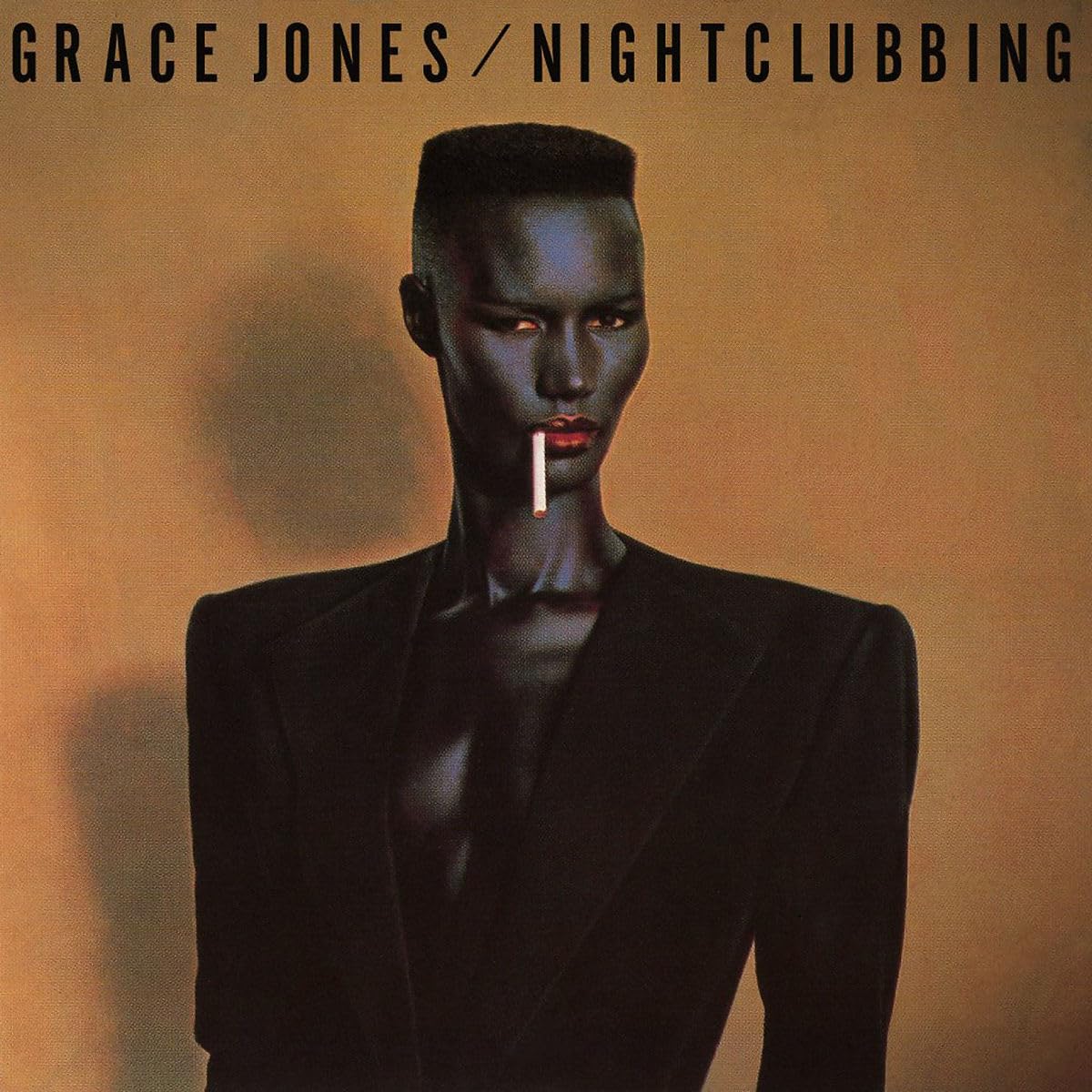
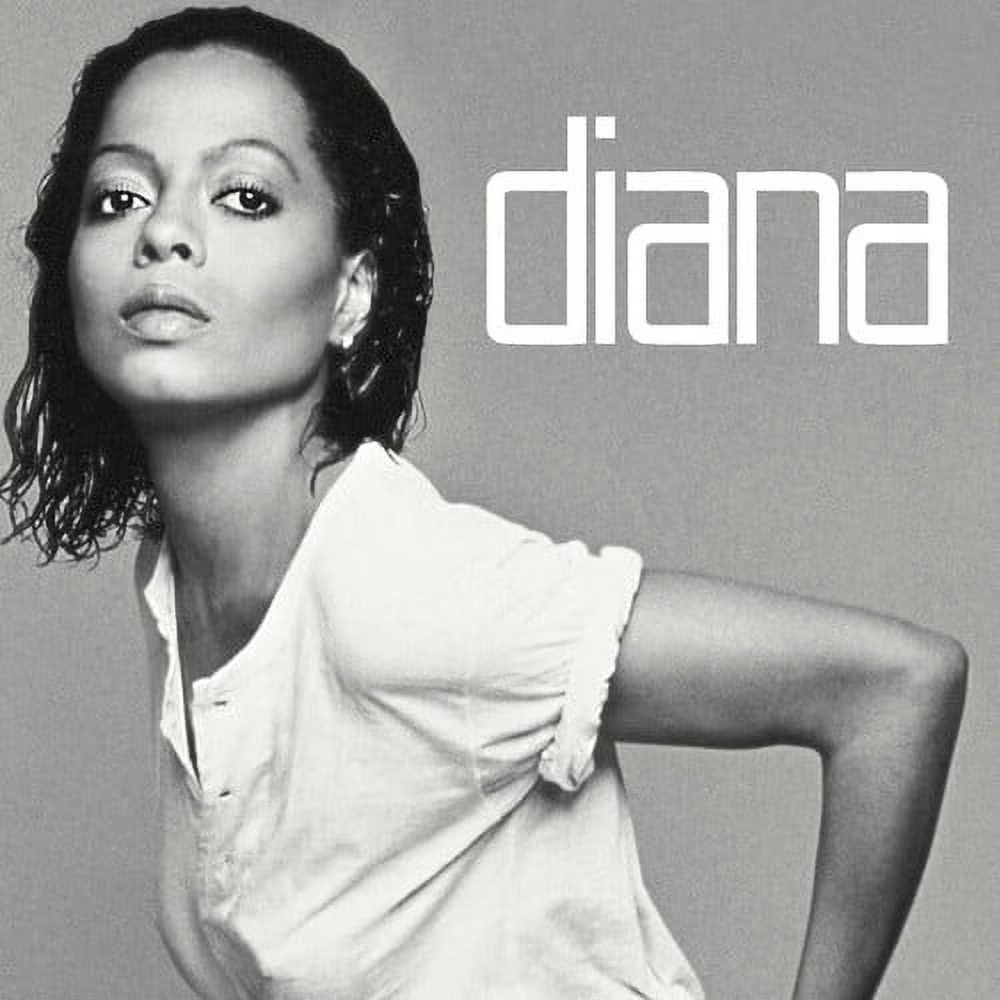
Diana Ross — Prime of My Life (1989)
Diana Ross delivered maximum glamour through volume alone. Her larger-than-life curls embodied luxury and excess while reminding audiences that big hair would always have a place within Black beauty culture.
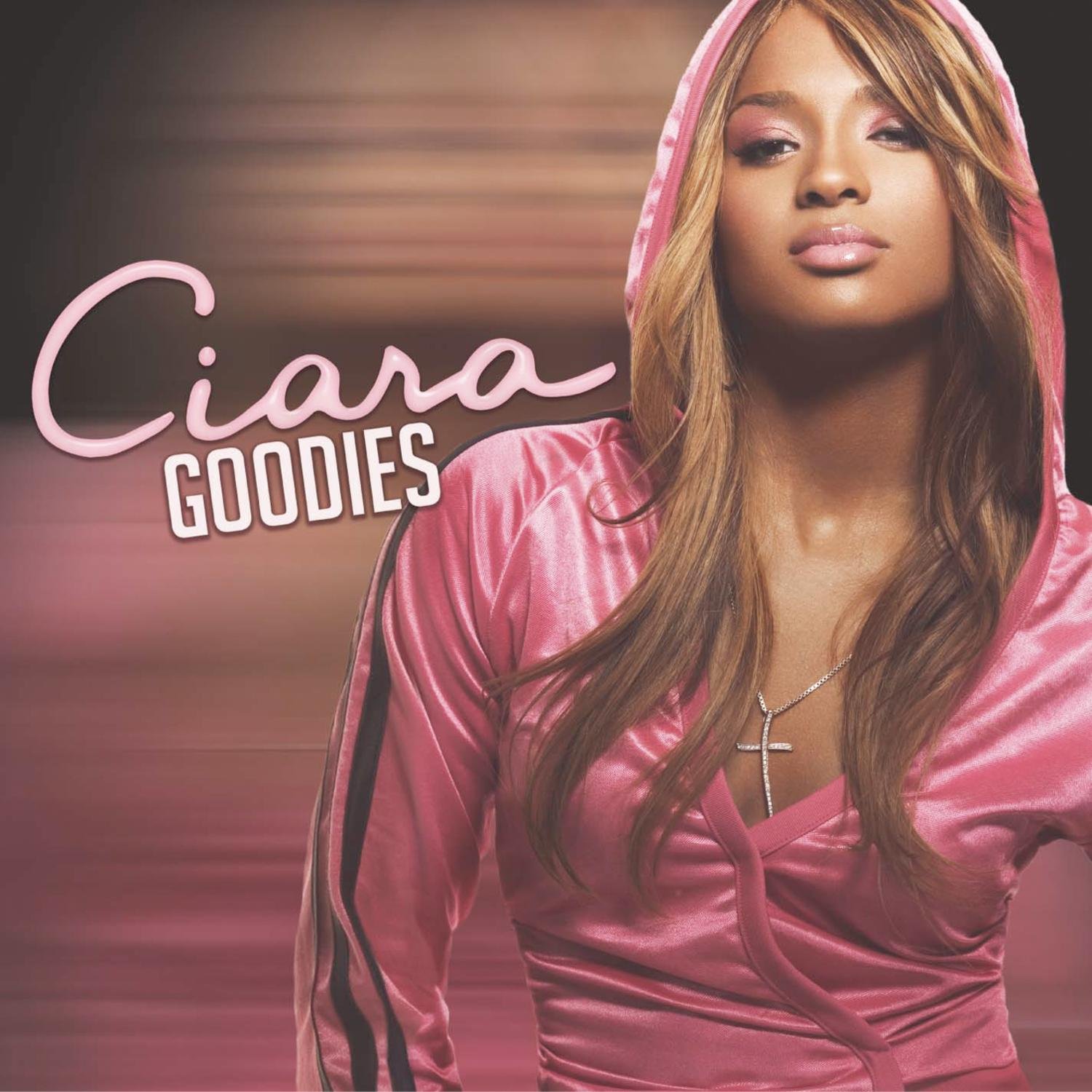
Ciara — Goodies (2004)
Ciara’s pink-toned makeup and honey-blonde highlights helped shape the beauty language of the early 2000s. Every mall beauty store seemed to be chasing the lip gloss, eyeshadow and hair color combinations she popularized.
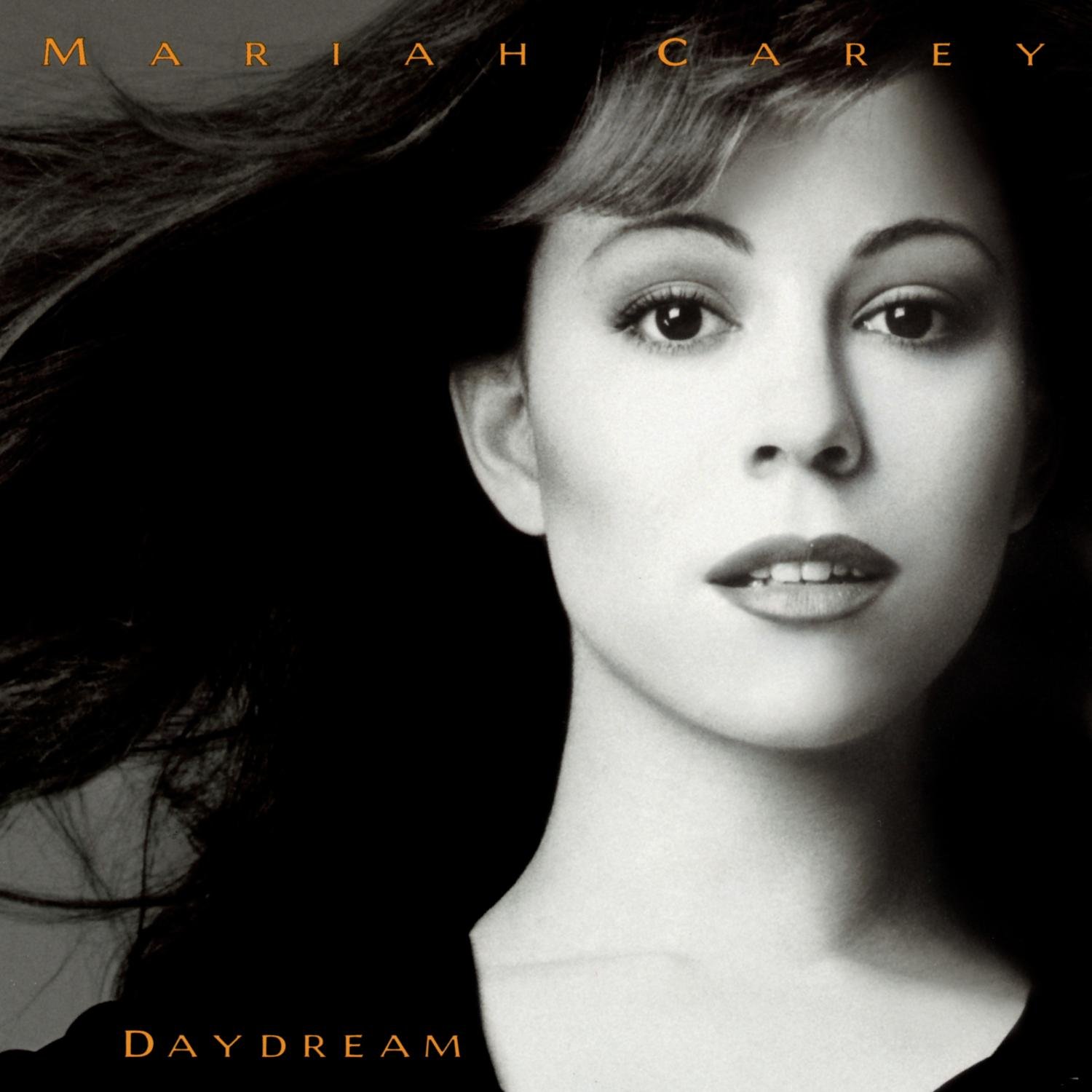
Mariah Carey — Daydream (1995)
Though not a Black artist, Mariah’s soft-focus glamour heavily influenced beauty trends among multicultural audiences. The luminous skin and understated makeup helped push the “your skin but better” aesthetic that would dominate years later.
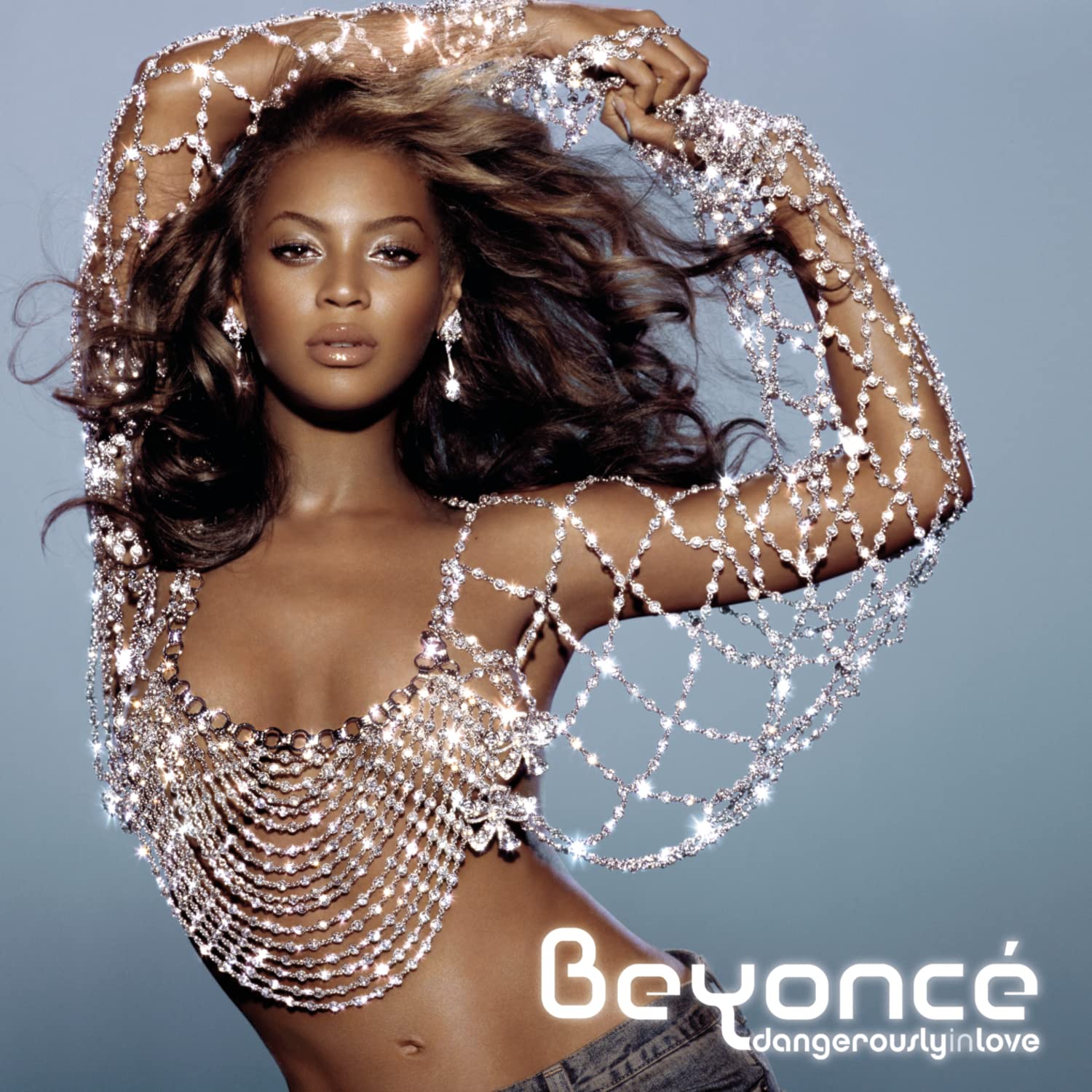
Beyoncé — Dangerously in Love (2003)
The bronzed glow. The shimmering eye. The glossy nude lip. Beyoncé essentially handed beauty marketers a blueprint they would spend the next two decades recreating. The cover elevated airbrushed glamour into a cultural phenomenon.
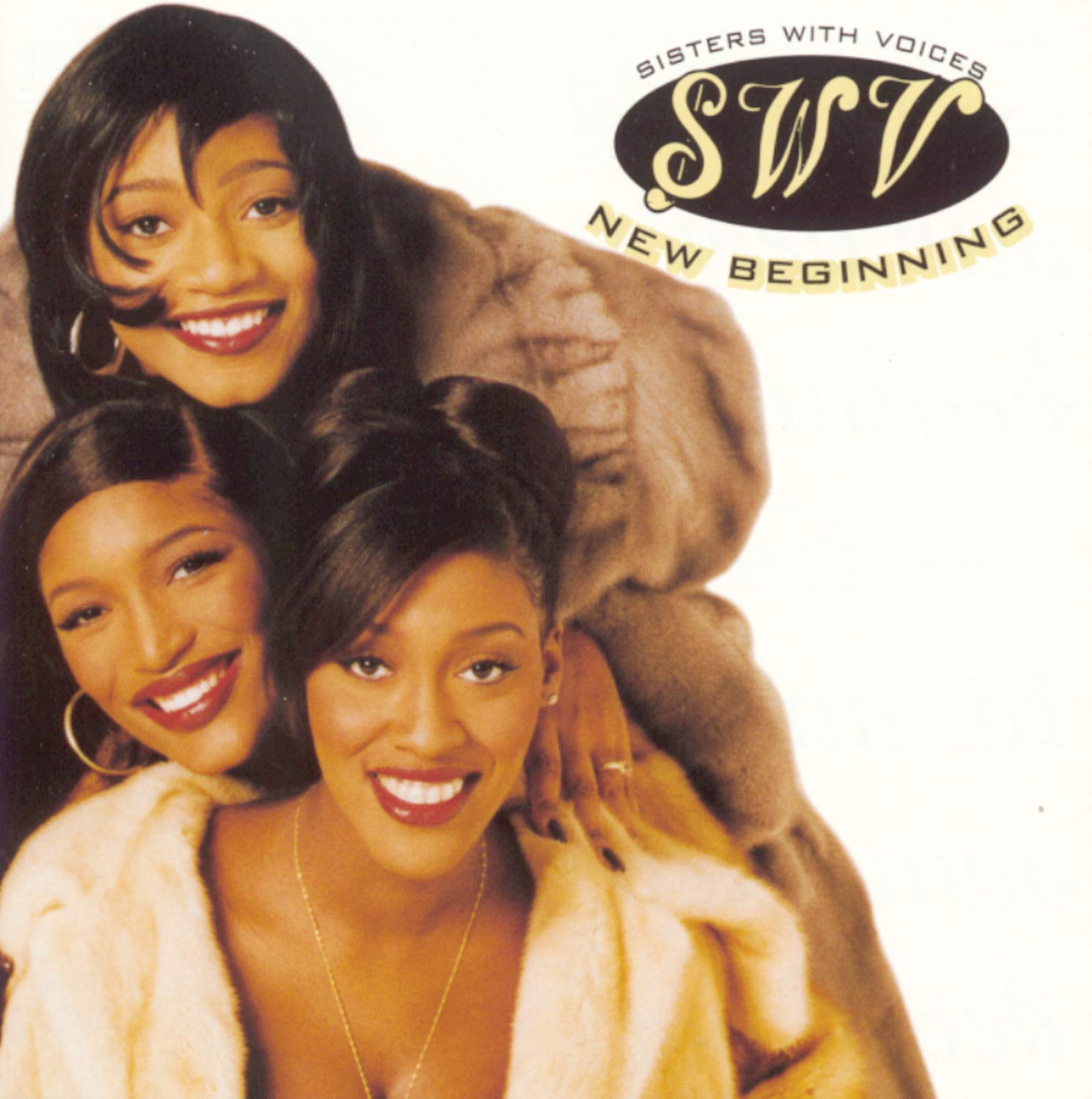
SWV — New Beginning (1996)
Matching beauty looks weren’t new, but SWV made coordinated glamour feel effortless. Their sleek styles, rich lip colors and polished presentation reflected the aspirational sisterhood many fans wanted to emulate.
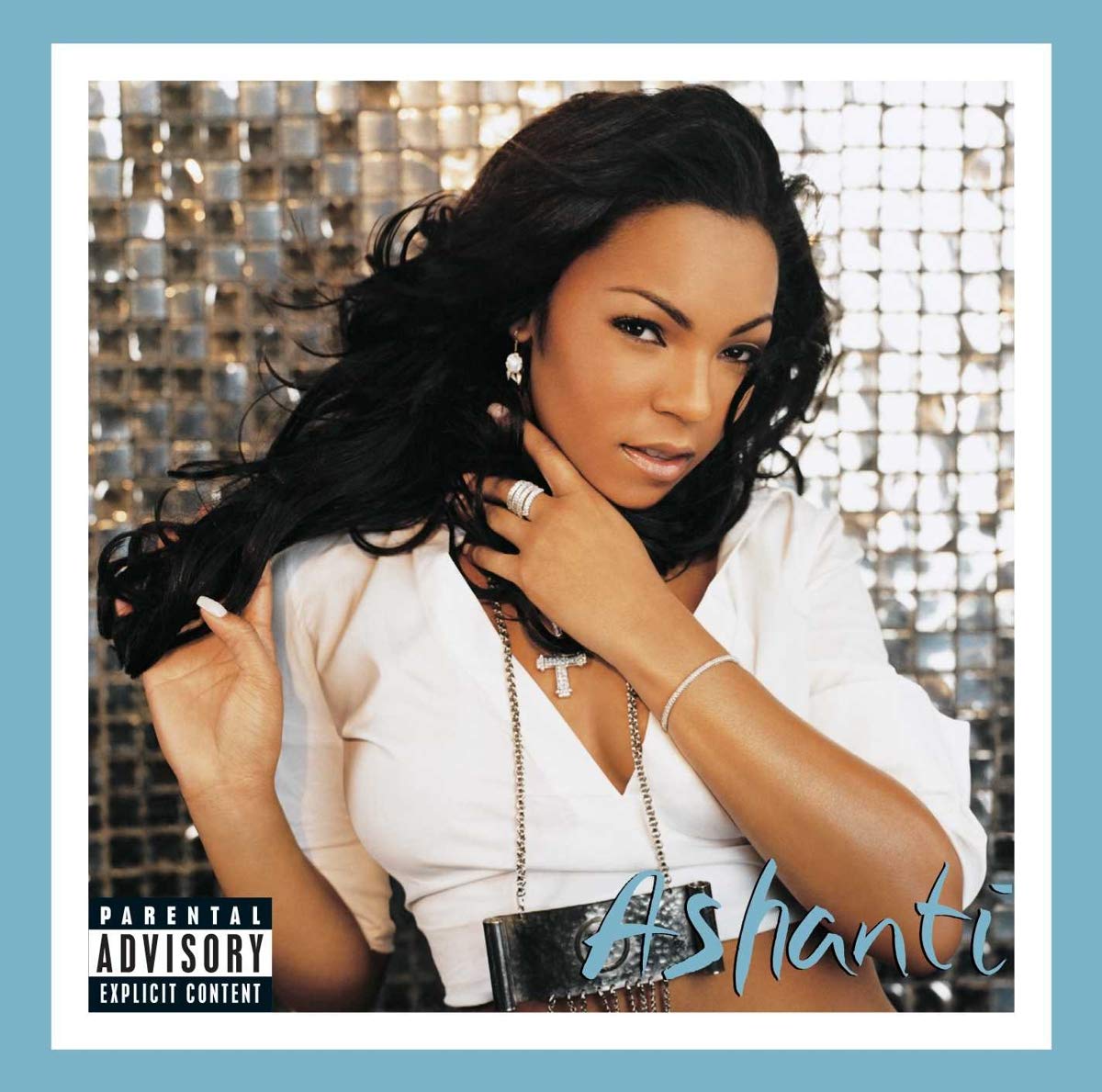
Ashanti — Ashanti (2002)
Ashanti’s debut captured the soft glamour that defined the Y2K era. The glossy lips, softly arched brows and glowing complexion became beauty references for countless young women navigating the early days of urban beauty culture.
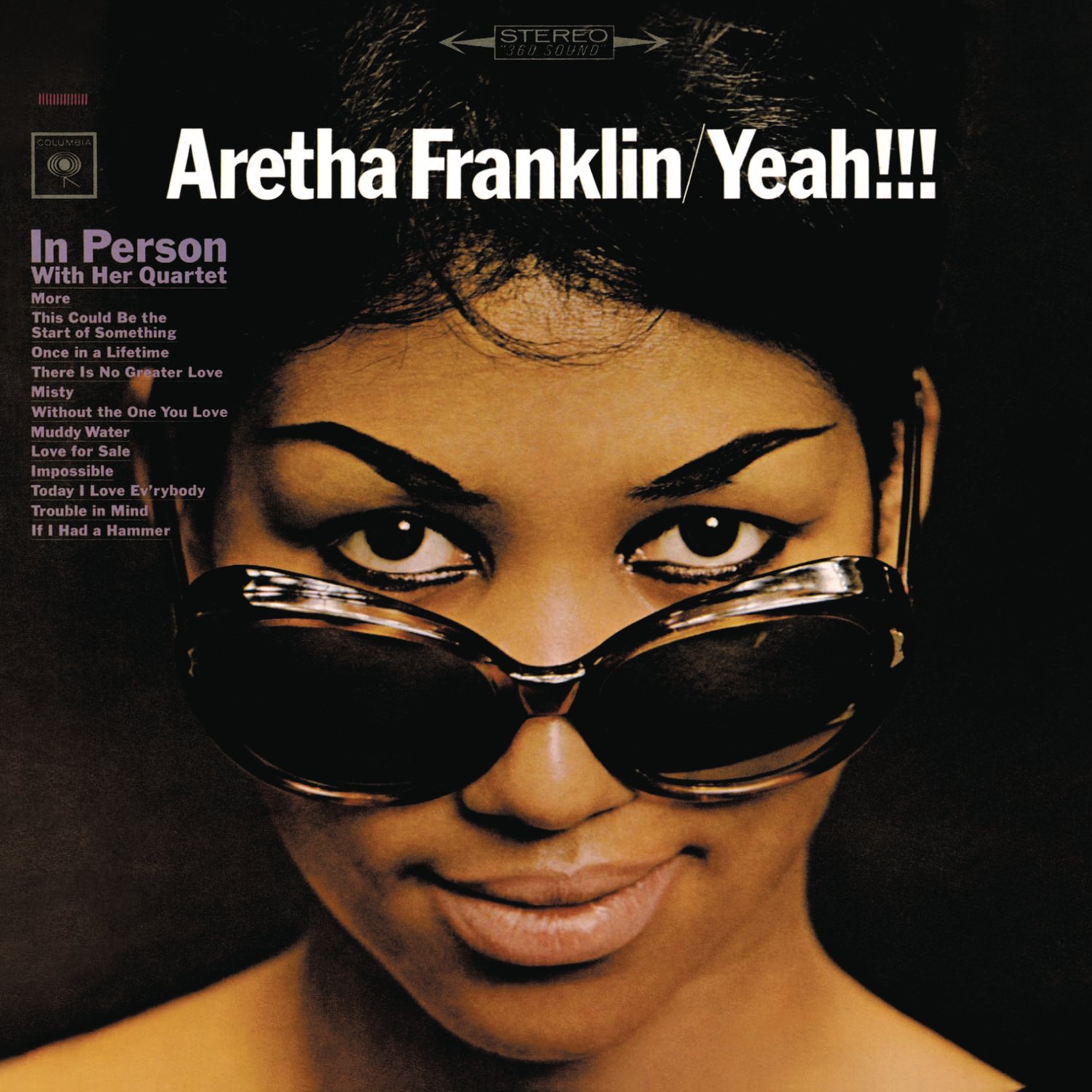
Aretha Franklin — Yeah!!! (1965)
Aretha’s winged liner and perfectly groomed brows arrived decades before social media beauty trends. Her cover demonstrated how precision and confidence could transform even the simplest beauty look into something unforgettable.
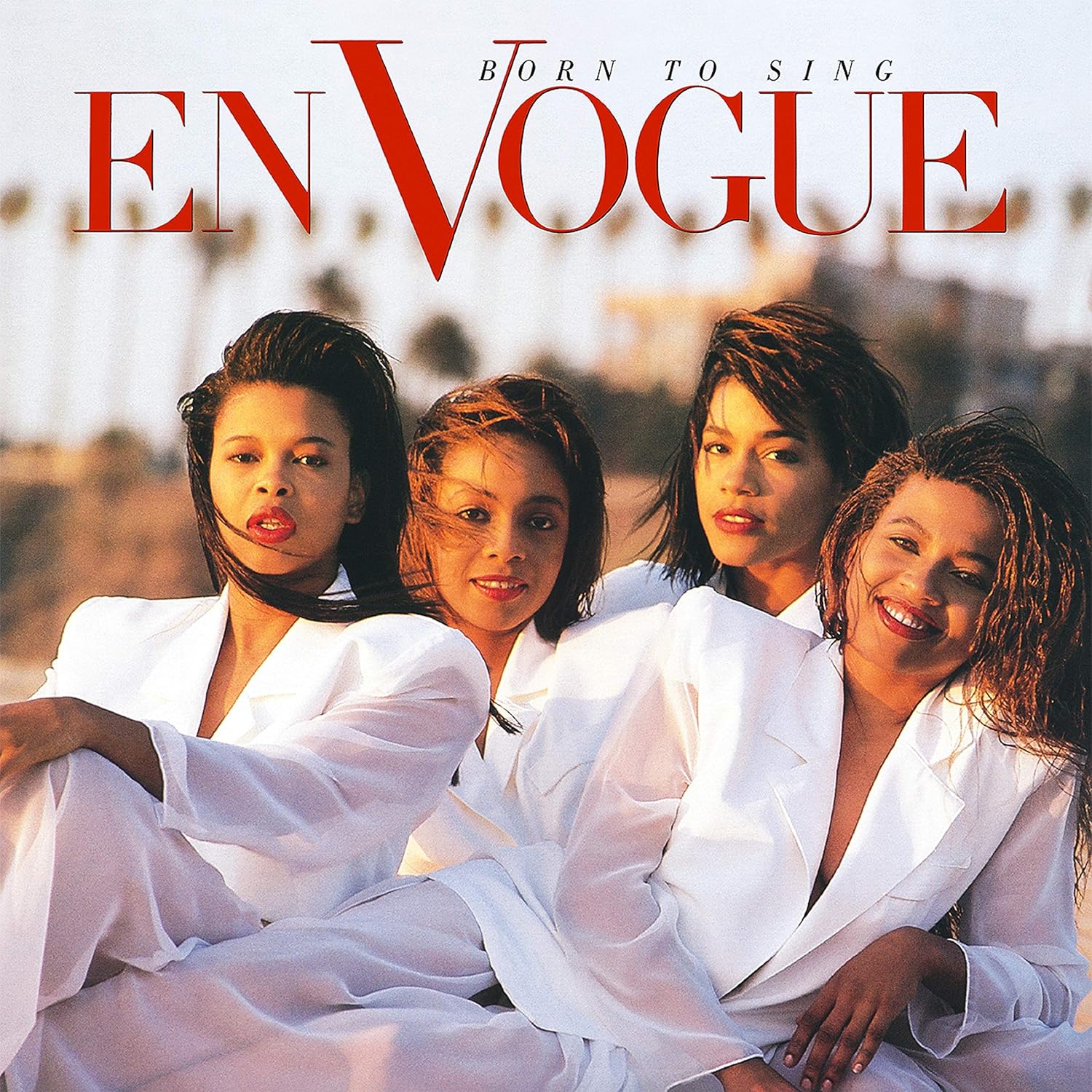
En Vogue — Born to Sing (1990)
En Vogue helped define the supermodel era of Black beauty. Their coordinated styling, striking red lips and perfectly coiffed hair established a standard of glamour that would influence girl groups for decades.
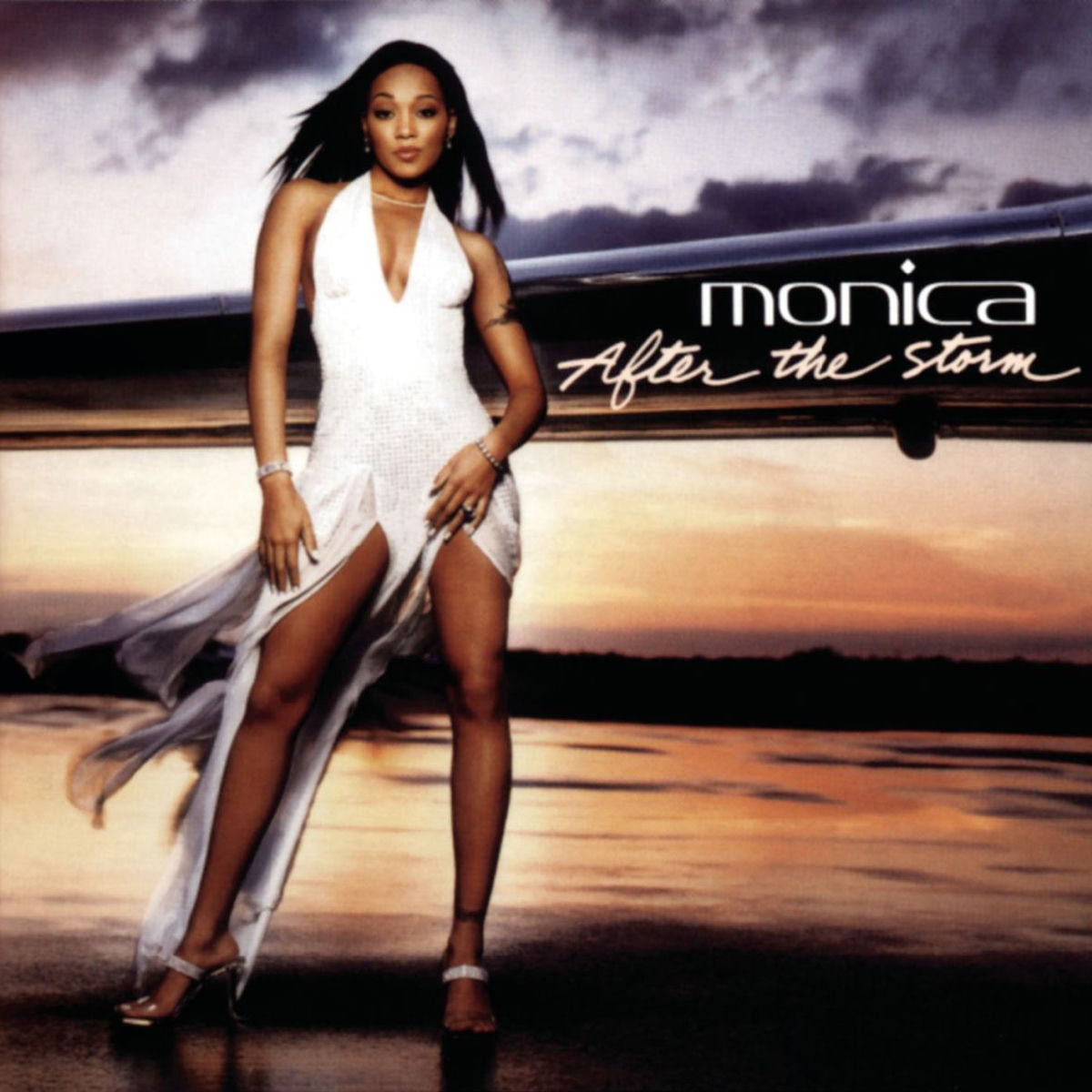
Monica — After the Storm (2003)
Standing against a dramatic sky in a flowing gown, Monica embodied resilience wrapped in glamour. The look reinforced the era’s obsession with luminous skin, sleek hair and understated elegance.
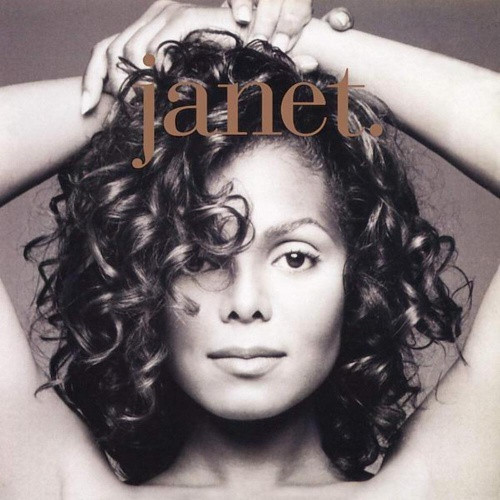
Janet Jackson — janet. (1993)
Janet’s curls inspired countless salon visits throughout the ’90s. The cover celebrated texture, movement and sensuality while proving that curly hair could command as much attention as any sleek style.
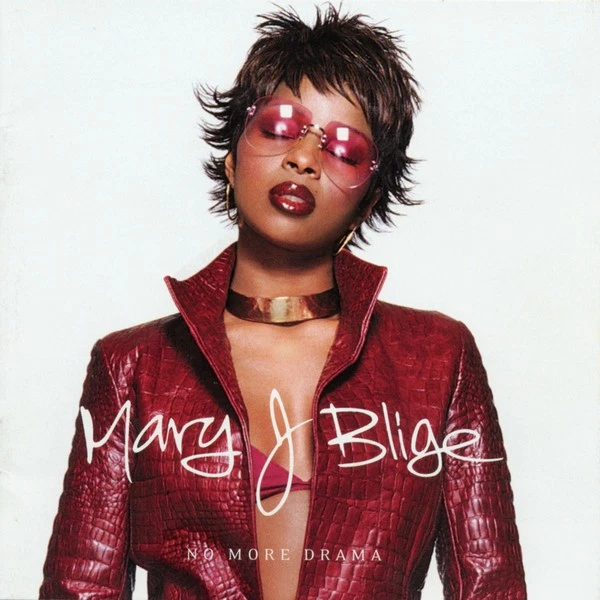
Mary J. Blige — No More Drama (2001)
Mary’s burgundy leather, dramatic lip color and oversized tinted glasses pushed beauty into full fashion territory. It was a masterclass in using beauty as armor during personal transformation.
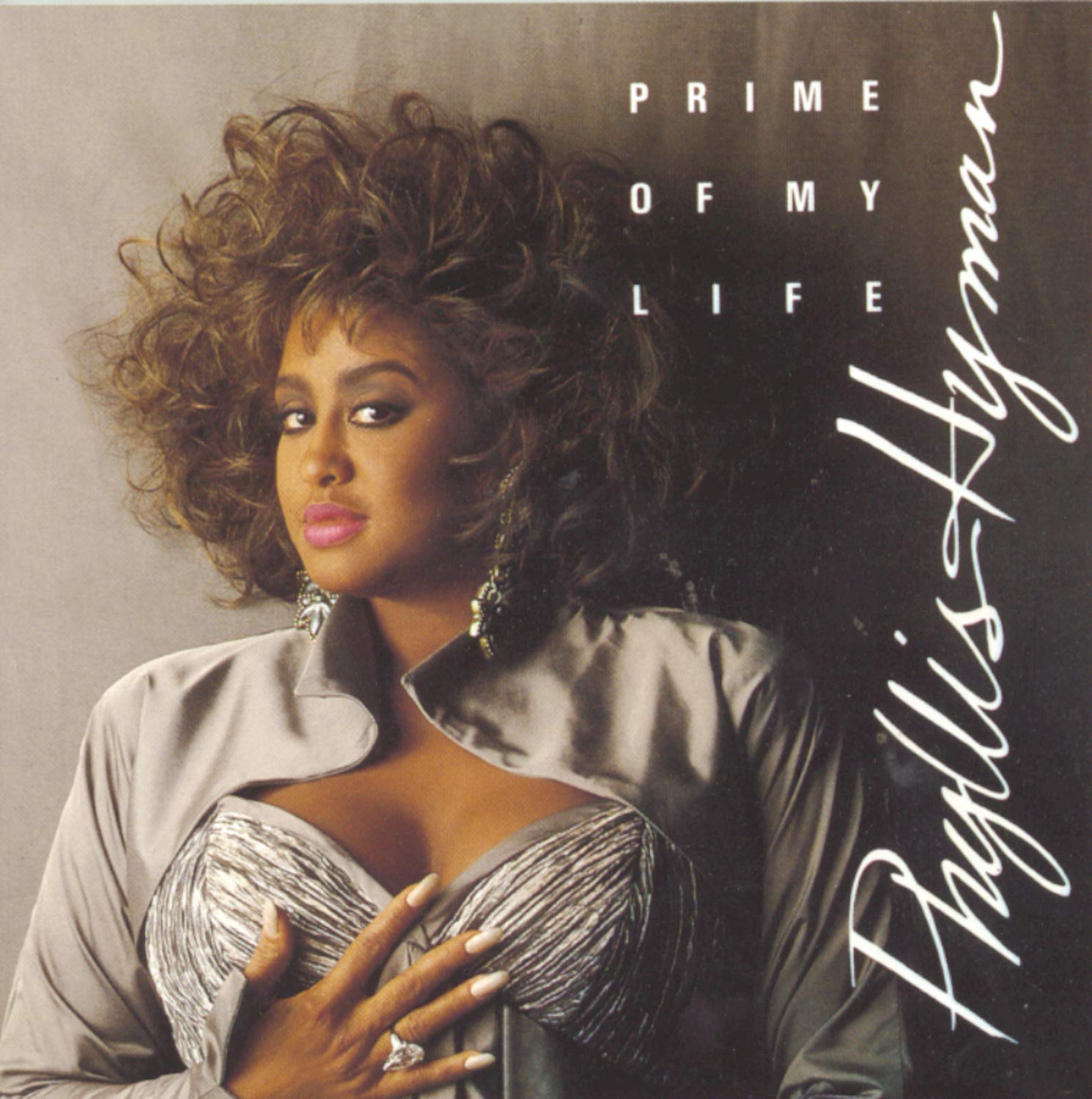
Phyllis Hyman — Prime of My Life (1991)
Phyllis Hyman’s Prime of My Life captured the kind of glamour that defined Black beauty at the dawn of the ’90s. Her voluminous curls, smoky eyes and vibrant pink lipstick embodied an era when bigger hair, richer makeup and unapologetic elegance were the standard, not the exception. Long before beauty brands embraced the language of luxury and empowerment, Hyman’s cover presented Black femininity as sophisticated, aspirational and effortlessly regal.
Taken together, these covers reveal the real history of Black beauty trends. Long before algorithms told us what was in style, Black artists were introducing the world to glossy lips, finger waves, blonde braids, bald glamour, colorful makeup, protective styles and beauty looks that would shape entire generations. They weren’t just selling albums. They were quietly redefining what beauty looked like for all of us.