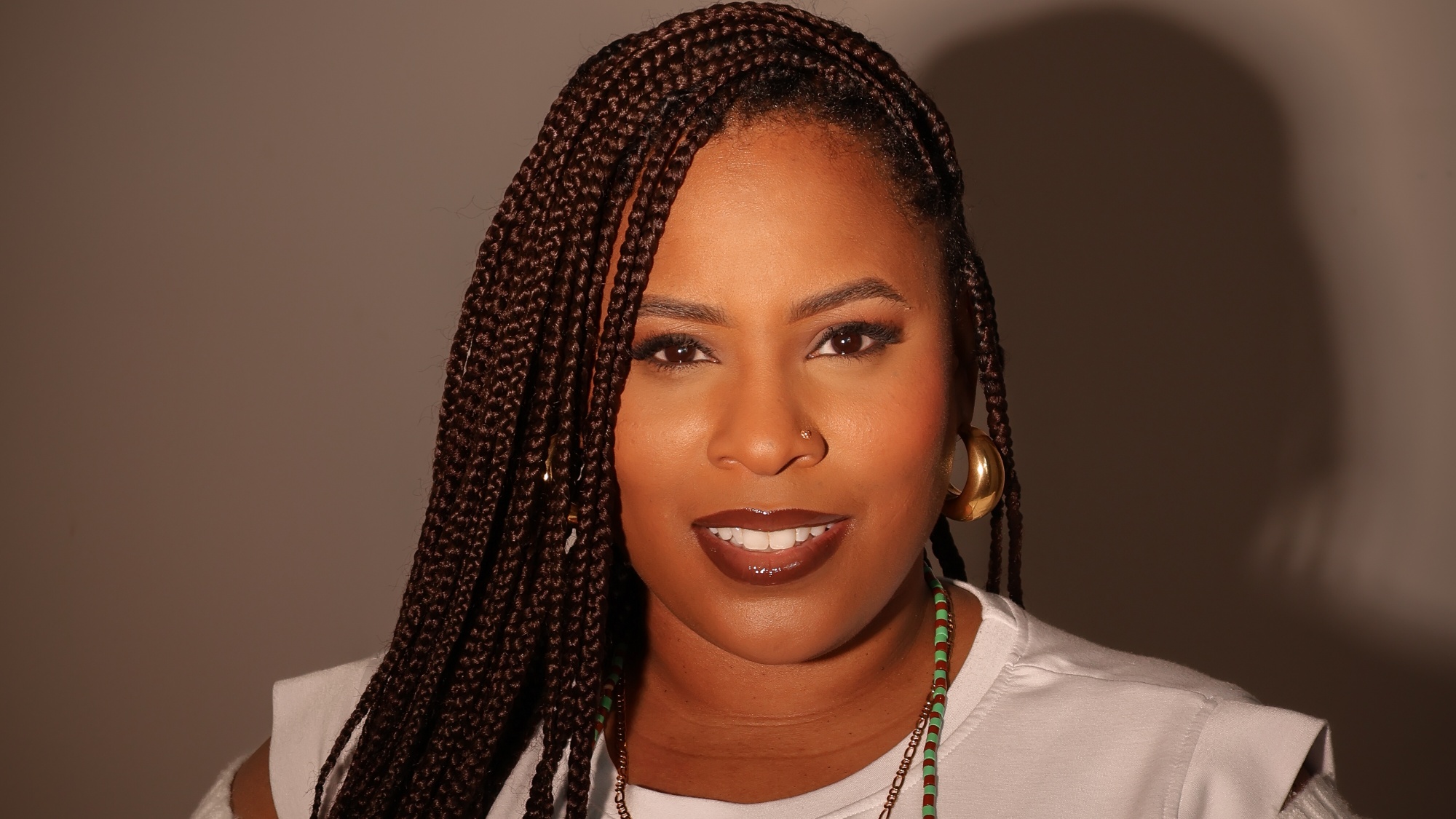
Ashley Edwards’ journey to founding MindRight began long before the term “mental health” became trendy. Raised in and later working in education in New Jersey, she witnessed up close what it looks like when communities carry heavy loads of trauma, loss and grief without access to equitable care. As an educator, she saw students and staff trying to push through life while navigating depression, anxiety, and systemic harm, often without language for what they were experiencing, and certainly without resources built with them in mind.
At the same time, she understood from her own experience with depression that healing doesn’t begin and end in a therapist’s office. It lives in the everyday: in the words of a trusted teacher, a coach who believes in you, a parent who listens or a friend who checks in. These informal caregivers helped her see the importance of holding space for healing, even if systems didn’t recognize them as such.
“It helped me with validating that for myself, and seeing that as a valid option for healing, really impacted the way I see mental health, and then led me to create MindRight, where we really empower the community to support others on their healing journey,” Edwards told EBONY.
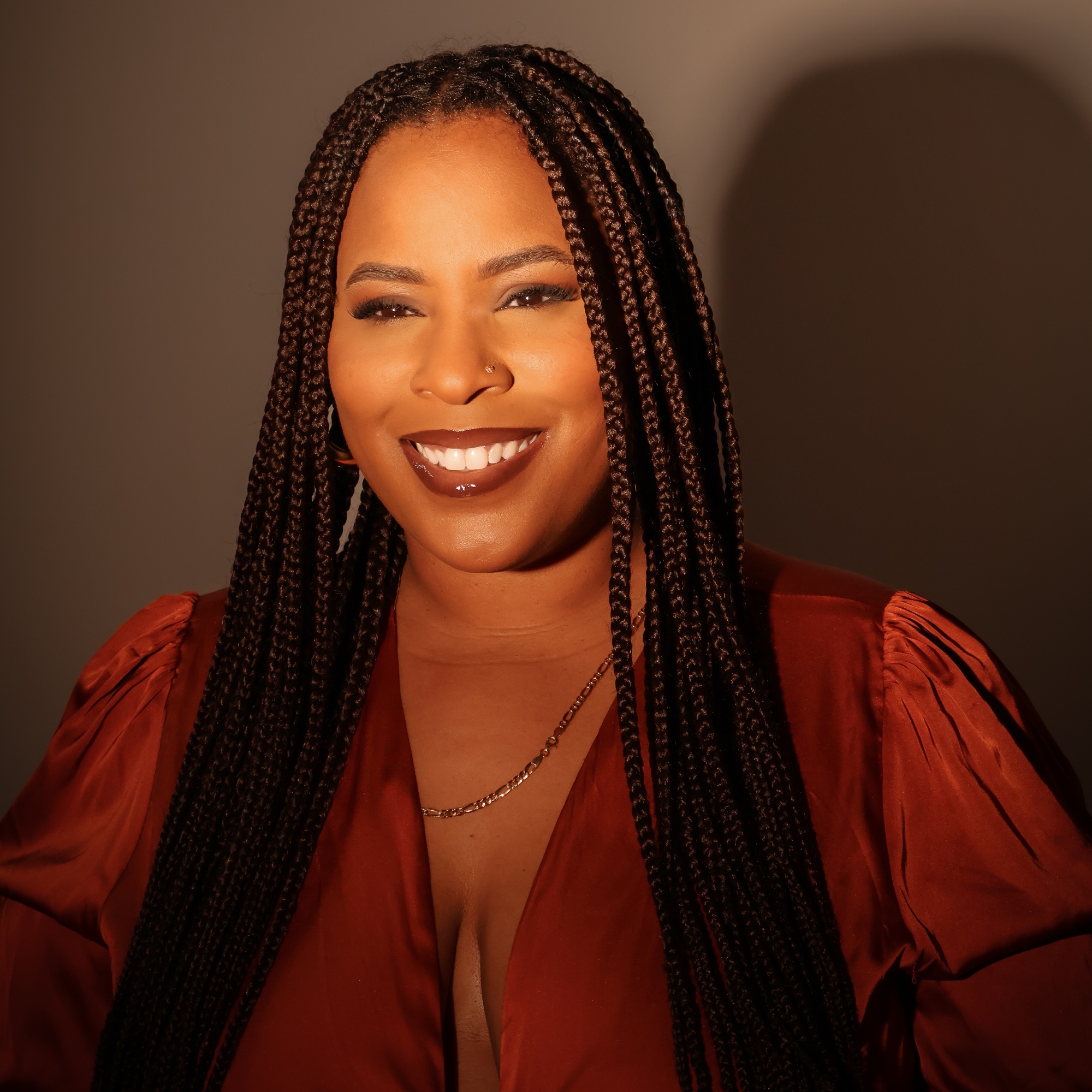
MindRight was born from this reality: that healing is collective, cultural, and deeply rooted in community. Inspired by a phrase you probably heard growing up, “get your mind right,” Edwards set out to build a platform that feels like it belongs to the people it serves.
“Unfortunately, a lot of the institutions and systems are highly individualistic, and so I think we’ve lost a bit of what it means to be human,” she said. “Part of the human condition is just also understanding our ties to each other. There’s no point in healing one person if we all don’t get healed, because hurt people also hurt. As long as there are unhealed people here, we’ll keep running into the same issues. I think definitely seeing healing as something that is collective and needs to be addressed collectively is really important.”
MindRight connects individuals with emotional support partners—people from their own communities who understand their lived experiences and can walk alongside them through both hard and joyful days. Edwards made history as the first Black woman founder in New Jersey to raise $1 million in venture capital and continues to emphasize the importance of investing in mental health.
“I think one of the key challenges with therapy in the clinical system is that there’s a huge shortage of therapists in general,” she said. “We deserve different modalities and tools. If we’re going to support everyone, we need everyone to be a part of the solution, not only people with certain prestige degrees or pedigrees or experiences, but we need to reflect the diversity of everyone that we’re trying to serve.”
For Edwards, mental health is more than self-care; it is liberation and a civil right. Grounded in the legacy of Black freedom movements and the psychological discipline required of past generations of activists, she envisions a future in which mental wellness is treated as a daily practice rather than a last resort.
“Just as many people who need support when they’re having a rough moment, there are so many people who experience good news and don’t have people to celebrate them or share it with them,” she said. “We have so much wisdom in our communities, and MindRight is acknowledging that and elevating that by allowing our communities to support each other, because we all have lessons that can help someone else on their journey.”